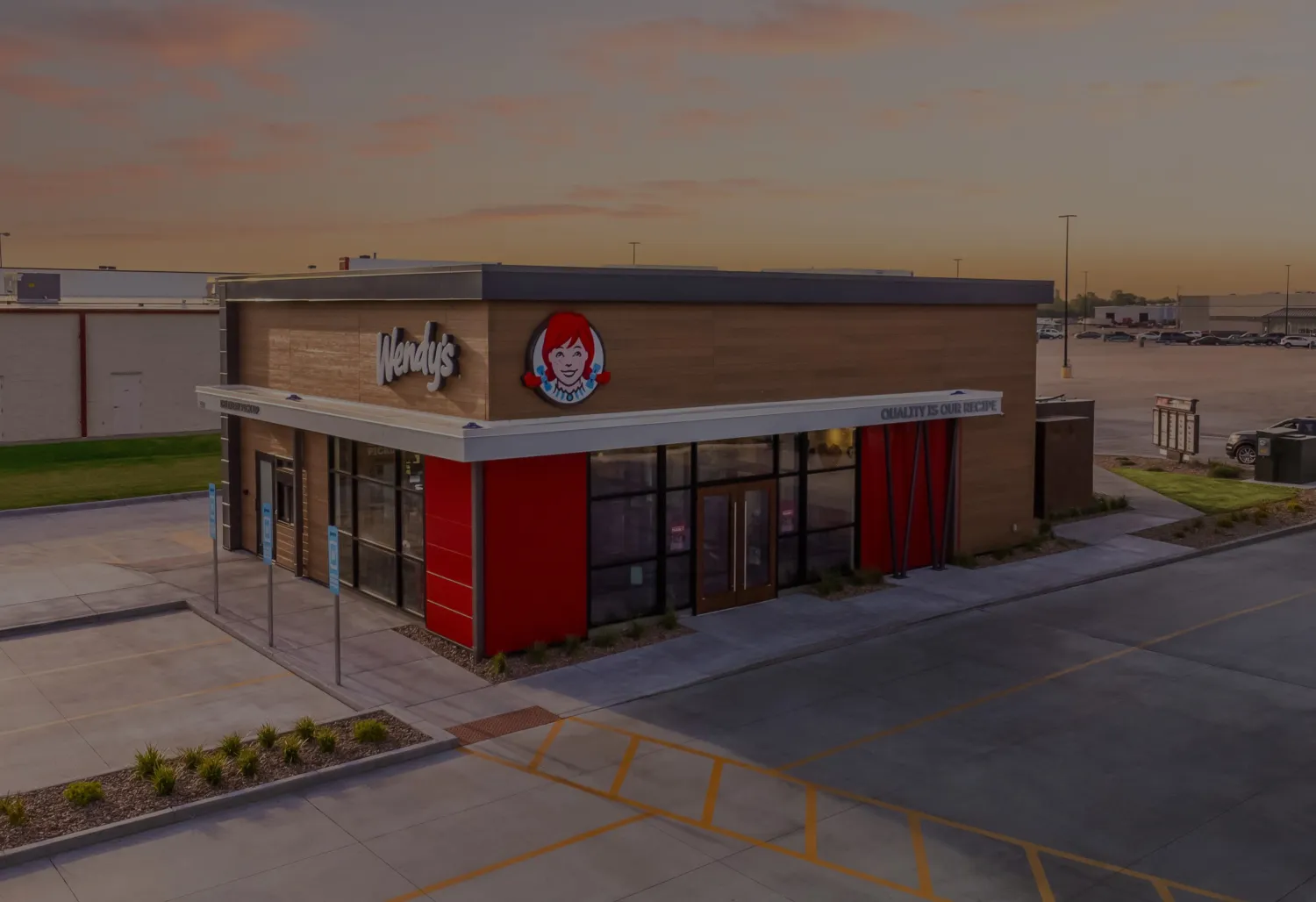
A consortium led by Trian Fund Management, L.P. alongside Flynn Group LP, BlueFive Capital, and Sixth Street Partners has submitted an unsolicited, non-binding proposal to acquire all outstanding shares of Wendy's common stock not already held by the group at $7.35 per share in cash. The Wendy's board has formed an independent committee — advised by Morgan Stanley & Co. LLC and Simpson Thacher & Bartlett LLP — to evaluate the offer consistent with fiduciary duties. No deal is guaranteed, and shareholders are not required to act.
For franchisees operating across Wendy's 7,000-plus global locations, the immediate read is uncertainty — but not paralysis. The independent committee's formation signals the board is treating this seriously while preserving optionality. Trian is not a stranger here; the fund filed an amended Schedule 13D in February 2026, flagging its strategic interest well before this formal proposal landed. That timeline matters: operators should recognize this as a process that has been building for the better part of a year, not a sudden pivot.
What's at Stake for Operators
CEO Bob Wright is simultaneously running a performance turnaround, and the company has flagged Q3 earnings on November 5 as the venue for fuller strategic disclosure. Wright's stated priorities — value-driven menu rebuilding, demand-generating marketing, operational excellence, and digital frequency — are exactly the levers a prospective ownership group would scrutinize before closing any transaction. Franchisees watching their unit economics should pay close attention to how those pillars are quantified on the earnings call, because those numbers will shape deal valuation conversations.
The Flynn Group's presence in the investor consortium adds an operator-specific dimension. Flynn is one of the largest franchise operators in the U.S. quick-service segment, with significant multi-brand scale across several major QSR systems. Its participation suggests the acquiring group has a hands-on operating thesis, not purely a financial one — a dynamic that could mean accelerated operational mandates for franchisees if a deal closes.
Signals for the QSR Landscape
A go-private or ownership-change scenario at a brand of Wendy's scale would ripple across the QSR supply chain: packaging suppliers, commodity buyers, POS vendors, loyalty-tech partners, and digital marketing agencies all carry exposure to platform-level decisions that shift under new ownership. Operators in adjacent segments — and vendors with Wendy's contracts — should begin scenario-planning now rather than waiting for a definitive agreement.
From an operator-intelligence standpoint, the Trian bid also reflects a broader activist-capital thesis that QSR brands with strong IP and franchise infrastructure are undervalued relative to their asset-light earnings potential. That same logic is circulating around other mid-scale chains — making this a bellwether moment for how franchise-heavy brands respond to ownership pressure while managing a live turnaround.
For growth and media strategy, franchisees should expect marketing spend priorities and digital investment plans to stay in holding mode until the board's evaluation concludes. Operators who have co-op or local-market campaigns tied to Wendy's national calendar should build contingency timelines into Q4 planning.
Written by Michael Politz, Author of Guide to Restaurant Success: The Proven Process for Starting Any Restaurant Business From Scratch to Success (ISBN: 978-1-119-66896-1), Founder of Food & Beverage Magazine, the leading online magazine and resource in the industry. Designer of the Bluetooth logo and recognized in Entrepreneur Magazine's "Top 40 Under 40" for founding American Wholesale Floral, Politz is also the Co-founder of the Proof Awards and the CPG Awards and a partner in numerous consumer brands across the food and beverage sector.