
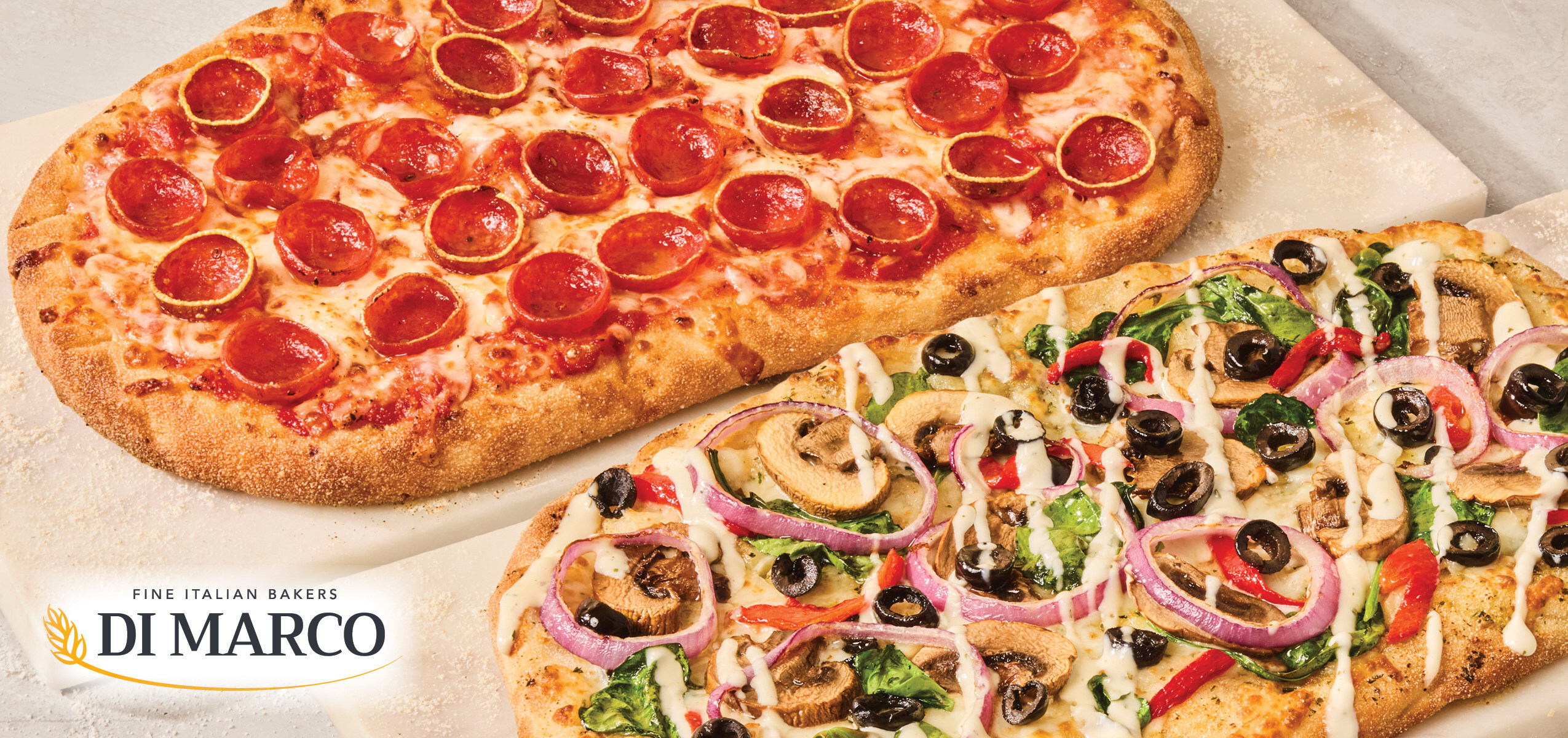
Vocelli Pizza has added Di Marco's imported Pinsa Romana crust to its full system as of May 18, 2026, making it one of the first U.S. regional pizza chains to bring the Roman flatbread format chainwide rather than as a limited test. The move is a meaningful menu-architecture decision: Pinsa Romana — traditionally made with a rice, soy, and wheat flour blend — carries a higher protein profile and lower hydration than standard pizza dough, which gives operators a credible better-for-you story without reformulating core menu items.
For context, better-pizza segment growth has been driven largely by crust and ingredient differentiation. Fast-casual and regional operators leaning into Roman-style formats — Pinsa included — have used the category as a wedge against both national chains on value and upscale independents on quality. Di Marco, widely credited with formalizing the Pinsa Romana style commercially in Italy, is the dominant supplier name in this niche. Partnering with the originator, rather than a domestic co-manufacturer, gives Vocelli a sourcing story that holds up in menu copy, local press, and digital creative. That matters for menu trend positioning and digital storytelling.
The 12-month R&D timeline CEO Toni Bianco cited is worth noting for operators benchmarking their own product development cycles. A year of internal tasting and supplier vetting before a chainwide rollout — rather than a regional pilot — suggests Vocelli absorbed the supply-chain risk up front and committed to a single SKU and vendor. That's a procurement posture that reduces complexity at the unit level but concentrates supplier dependency. Operators evaluating imported ingredient programs should model both the landed cost delta versus domestic alternatives and the logistics redundancy if a single-source supplier faces disruption. See how peer brands have navigated imported ingredient procurement and supplier risk.
From a brand-launch and marketing standpoint, the Pinsa rollout gives Vocelli's growth team a concrete asset to build campaigns around: a proprietary crust with a named origin, a named supplier, and a protein angle. That's three distinct content pillars for email, social, and local digital. Geo-fenced creative around existing Vocelli markets — framing Pinsa as an upgrade rather than a substitution — is the obvious activation. The protein positioning also opens a retargeting audience that traditional pizza creative doesn't reach: health-adjacent consumers who have self-selected out of the category.
Written by Michael Politz, Author of Guide to Restaurant Success: The Proven Process for Starting Any Restaurant Business From Scratch to Success (ISBN: 978-1-119-66896-1), Founder of Food & Beverage Magazine, the leading online magazine and resource in the industry. Designer of the Bluetooth logo and recognized in Entrepreneur Magazine's "Top 40 Under 40" for founding American Wholesale Floral, Politz is also the Co-founder of the Proof Awards and the CPG Awards and a partner in numerous consumer brands across the food and beverage sector.

