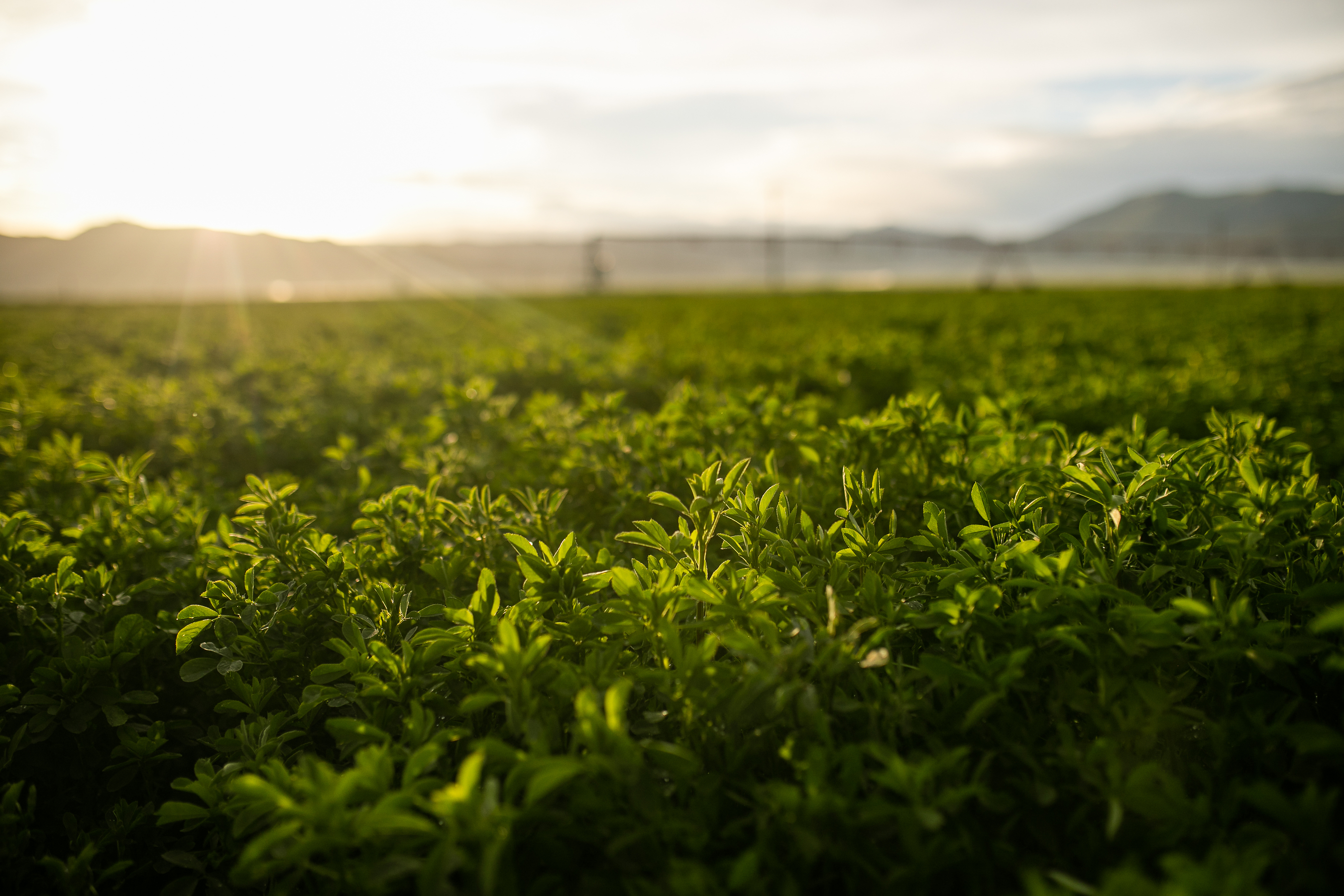
North Dakota harvested more than 1 billion pounds of sunflowers from over 500,000 acres in 2025, and this summer the state's tourism division is converting that crop volume into a structured consumer food-discovery circuit — one with direct implications for regional CPG brands, foodservice operators, and agri-tourism planners.
The 2026 Sunflower Map, now featuring a record 28 participating fields, functions as a real-time bloom tracker updated with field conditions, nearby lodging, and — critically for F&B operators — local restaurant and dining recommendations layered into the itinerary tool. For operators in sunflower-adjacent markets, it is a live demand-signal map pointing to where food-motivated travelers will concentrate from late July through August.
The Brand Activation Layer
The campaign's food component goes beyond passive regional identity. North Dakota Tourism has placed GIANTS® sunflower seed sample stations — branded "Be Sunny" mailboxes — at select viewing fields, creating a direct sampling touchpoint for a nationally distributed snack brand produced in Wahpeton. SunButter, the allergen-free sunflower seed spread developed in partnership with the USDA and still manufactured in Fargo, is featured alongside JC's Smoked Spitz and a broader Pride of Dakota product portfolio. This is a coordinated farm-to-shelf storytelling approach that connects primary agricultural production to finished consumer goods — a model food brokers and regional distributors increasingly use to justify retail placement and premiumization pricing.
For F&B brands operating in the better-for-you snack and nut-alternative categories, the SunButter positioning is worth tracking: it was the first sunflower seed spread created as a nut-free school alternative, and its Fargo facility operates free from all top nine food allergens — a claim that commands both institutional foodservice contracts and premium retail shelf positioning. As allergen-free demand continues to grow across K-12 foodservice and hospitality breakfast programs, operators sourcing spreads and snack components should be benchmarking against this category's production standards.
What This Signals for Operators
The structural insight here is not the tourism campaign itself — it is how a commodity crop becomes a regional brand ecosystem. North Dakota's sunflower sector demonstrates a replicable pattern: dominant agricultural production (America's leading sunflower-producing state by volume) anchors a tourism draw, which in turn creates discoverable retail and foodservice distribution moments for value-added local brands. Operators in grain-forward, nut-free, and seed-based ingredient categories should monitor how this regional sourcing narrative evolves, particularly as AI-driven procurement tools increasingly surface provenance data as a supplier evaluation criterion.
For hospitality operators in the Midwest planning seasonal menu programs, sunflower oil, seed-based spreads, and roasted seed snacks represent locally sourceable, allergen-conscious ingredients with a strengthening provenance story. The Bismarck-Mandan dining scene and Grand Forks restaurant corridor are both called out in the itinerary framework — creating foot-traffic opportunity for operators who align seasonal menus or LTOs with the bloom window. Brands and distributors looking to expand regional placement would do well to study how agri-tourism itinerary tools drive F&B discovery in comparable agricultural markets.
Written by Michael Politz, Author of Guide to Restaurant Success: The Proven Process for Starting Any Restaurant Business From Scratch to Success (ISBN: 978-1-119-66896-1), Founder of Food & Beverage Magazine, the leading online magazine and resource in the industry. Designer of the Bluetooth logo and recognized in Entrepreneur Magazine's "Top 40 Under 40" for founding American Wholesale Floral, Politz is also the Co-founder of the Proof Awards and the CPG Awards and a partner in numerous consumer brands across the food and beverage sector.