The Move
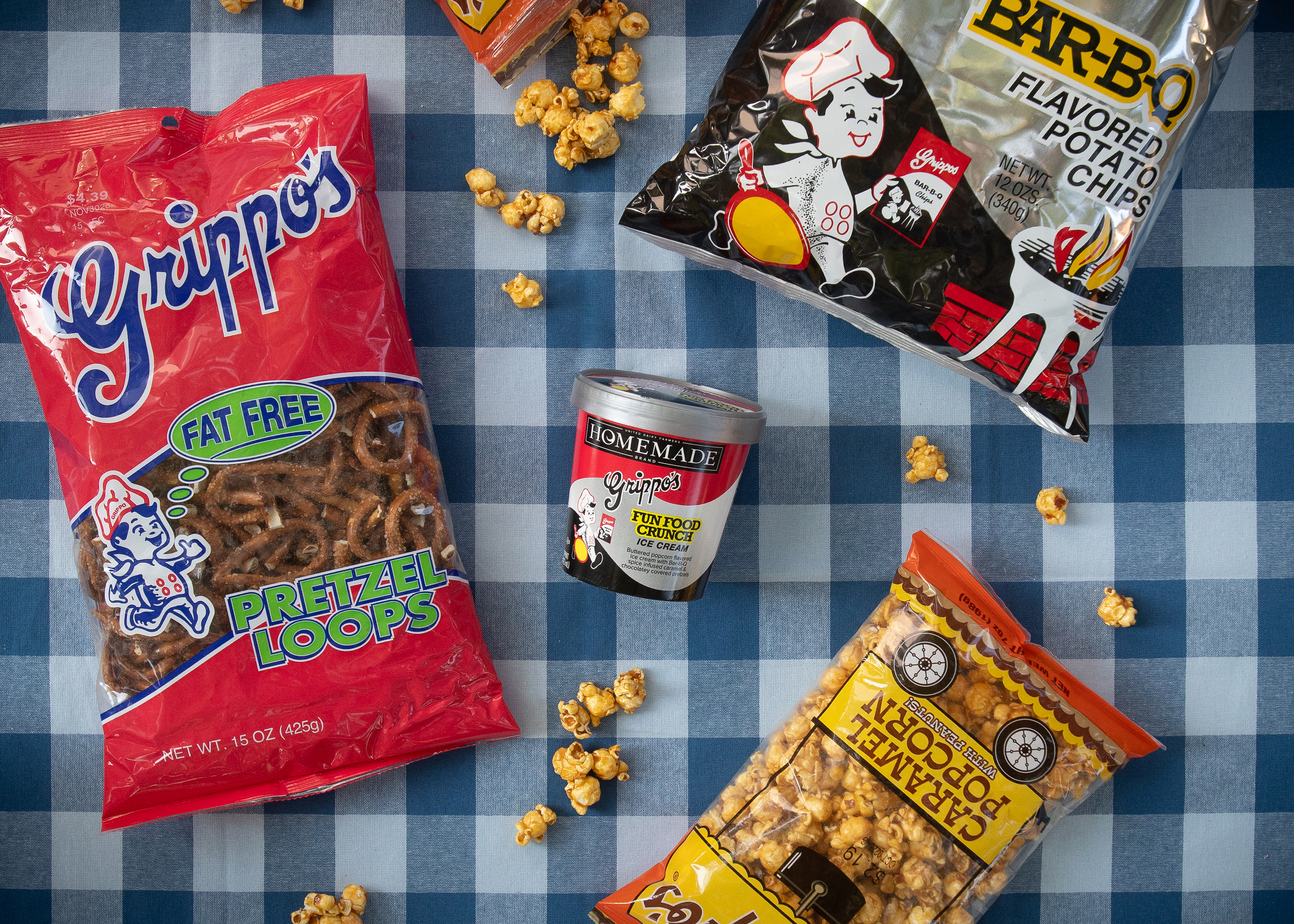
United Dairy Farmers (UDF) and Grippo Foods are dropping a co-branded limited-edition pint — Homemade Brand™ Fun Food Crunch — landing in Cincinnati-area Kroger stores and all 170-plus UDF convenience and ice cream parlor locations the week of August 16. The 16-ounce pint features buttered popcorn ice cream, a Bar-B-Q spice-infused caramel swirl, and chocolatey pretzel pieces. It's available while supplies last.
The business logic here is straightforward: two family-owned Cincinnati institutions — together representing nearly 200 years of regional presence — are using a controlled, limited SKU to cross-pollinate their respective customer bases without meaningful inventory risk. Grippo's, a 107-year-old snack brand, extends into a new food category. UDF's Homemade Brand™ adds a flavor with built-in snack-aisle recognition. Neither brand has to build a new audience from scratch.
Why Operators Should Watch This
The regional co-brand as a brand-launch mechanism is underutilized in foodservice and CPG. Most co-branding conversations in hospitality default to national licensing deals or fast-food LTO tie-ins with celebrity-level IP. What UDF and Grippo's are executing is smaller, faster, and lower-risk: a geographically contained test with two trusted retail channels already in place. Kroger's Cincinnati footprint provides mass grocery reach; UDF's own c-store network provides a captive, loyalty-driven audience.
For operators and brand managers tracking retail-ready launch strategy, this distribution pairing is worth noting. Controlling your own retail locations — as UDF does with 170-plus sites — gives a brand the ability to validate new SKUs with real velocity data before pitching broader distribution. That's a structural advantage most emerging food brands don't have, but the tactic is replicable for any operator with a commissary, ghost kitchen, or branded retail footprint.
What It Signals for Buyers and Vendors
Sweet-and-salty flavor architecture continues to outperform in the novelty ice cream segment, and the addition of snack-brand IP (chips, pretzels, popcorn) is a reliable hook for limited-edition positioning. For procurement teams and category buyers at grocery and c-store chains, co-branded pints are low-commitment tests of flavor trends — they generate earned media, require no permanent shelf commitment, and create urgency through scarcity.
For brand launch advisors and food brokers working regional CPG introductions, this collaboration also illustrates how legacy snack brands can enter adjacent categories without a full product development cycle. Grippo's Bar-B-Q spice profile — already established in the market — migrates into the caramel swirl without requiring consumer education. The flavor is known; the format is new. That's a repeatable playbook for any snack brand with strong regional equity looking to extend reach into foodservice or dairy.
John Dourson, Vice President of Sales for Grippo Foods, framed it practically: the partnership gave Grippo's a path to bring a signature flavor into a new category while keeping the launch tethered to Cincinnati, where both brands carry the most cultural weight.
Written by Michael Politz, Author of Guide to Restaurant Success: The Proven Process for Starting Any Restaurant Business From Scratch to Success (ISBN: 978-1-119-66896-1), Founder of Food & Beverage Magazine, the leading online magazine and resource in the industry. Designer of the Bluetooth logo and recognized in Entrepreneur Magazine's "Top 40 Under 40" for founding American Wholesale Floral, Politz is also the Co-founder of the Proof Awards and the CPG Awards and a partner in numerous consumer brands across the food and beverage sector.