The Distribution Move
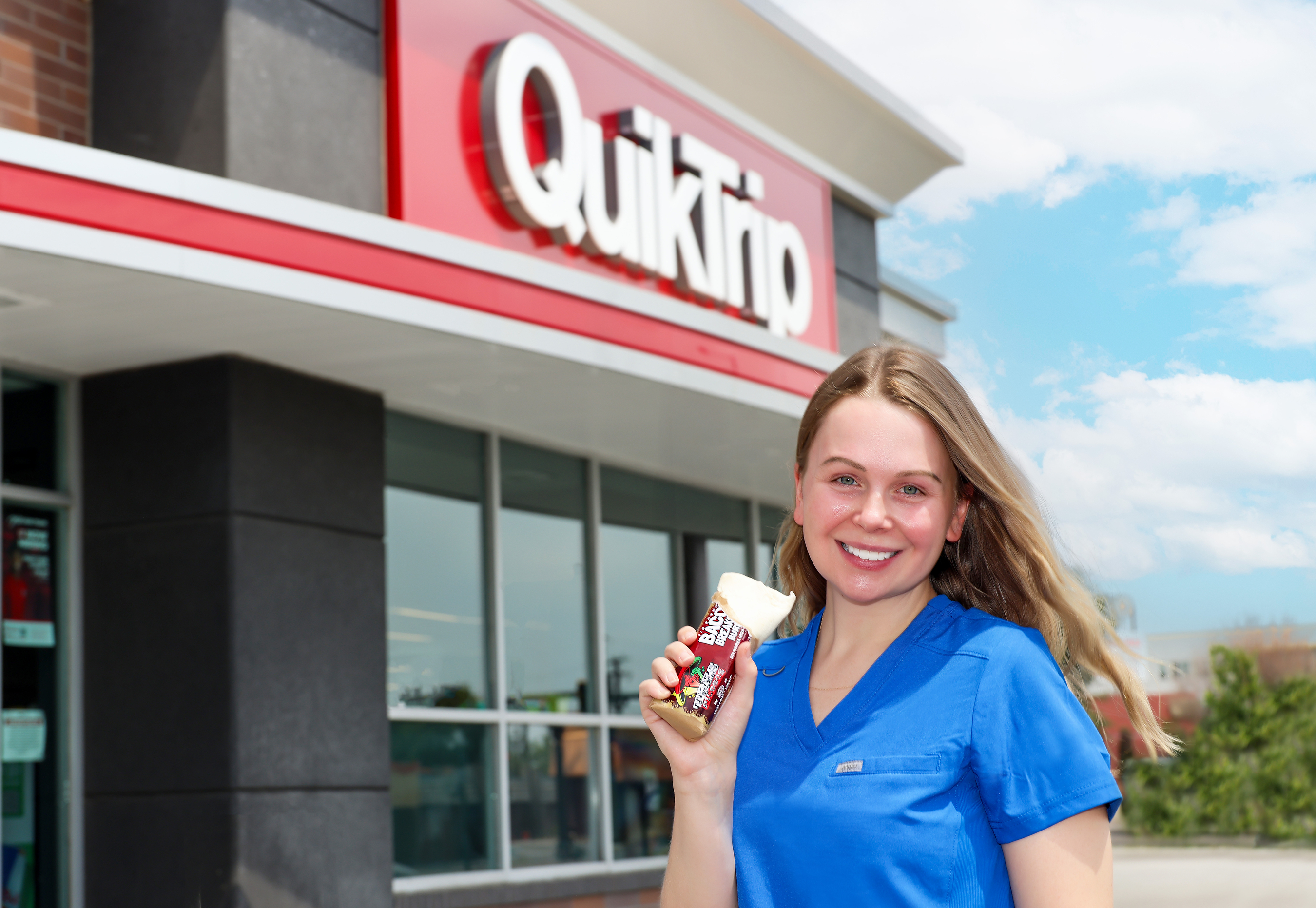
Tres Picosos, the Colorado-based, woman-owned Mexican burrito brand operating since 2005, has secured placement across more than 1,200 QuikTrip convenience stores in 23 states. The rollout covers the brand's top-selling SKUs — Western Breakfast, Taco Beef, and Bacon burritos — and positions the line across all dayparts in one of the country's largest and most operationally consistent c-store chains.
The deal moves Tres Picosos from regional strength into a genuinely national convenience footprint almost overnight. Distribution is running through Dot Foods, Inc. and Kinexo, two of the more capable broadline and c-store-specialist distributors in the country — meaning the supply chain infrastructure to sustain the volume was already in place before the shelf commitment was made. That sequencing matters: brands that win large c-store programs and then scramble to build distribution tend to fail within two to three reorder cycles.
Why C-Store Food Buyers Are Watching
Convenience retail has been consolidating its foodservice ambitions aggressively. Major chains are redesigning store formats around hot-hold and grab-and-go meal occasions, and premium-positioned, regionally credible brands are increasingly preferred over generic house-label programs. QuikTrip is a particularly telling partner here: the chain is consistently ranked among the top performers in c-store foodservice execution, with a customer base that skews toward repeat, loyalty-driven visits.
For Tres Picosos, the geographic fit is deliberate. Texas and Arizona — both high-density QT markets — also rank among the highest per-capita consumers of Mexican cuisine in the country. Jane Hartgrove, la jefa at Tres Picosos, noted that the expansion is about meeting demand for flavorful, satisfying meals that fit busy lifestyles. The brand's product positioning — more filling, less tortilla, with a premium-quality ingredient standard — differentiates it from commodity frozen burritos that have historically dominated c-store coolers and hot-hold cases.
What This Signals for Operators and Buyers
For foodservice operators and retail buyers watching category velocity, this placement is a useful benchmark. Branded, authenticity-forward Mexican food continues to outperform generic ethnic-food SKUs in convenience and foodservice channels. Suppliers with strong regional identity, a certified diversity status (Tres Picosos holds WBENC certification), and dual-channel capability — both branded and private-label, plus a full foodservice platform through the Naughty Chile Taqueria brand — carry more negotiating leverage with large-format buyers than single-SKU producers.
For operators exploring brand launch and distribution strategy, the Tres Picosos model offers a clear template: build a loyal regional fan base, lock distribution infrastructure before pitching national retail, and sequence the channel expansion so that supply chain doesn't become the ceiling on growth. That last point is where many emerging food brands underestimate the complexity of a 1,200-door rollout.
Buyers and category managers evaluating grab-and-go and c-store supplier partnerships should note that the WBENC certification also opens supplier-diversity program dollars at large retail and foodservice accounts — an increasingly relevant factor in procurement decisions at the enterprise level.
Written by Michael Politz, Author of Guide to Restaurant Success: The Proven Process for Starting Any Restaurant Business From Scratch to Success (ISBN: 978-1-119-66896-1), Founder of Food & Beverage Magazine, the leading online magazine and resource in the industry. Designer of the Bluetooth logo and recognized in Entrepreneur Magazine's "Top 40 Under 40" for founding American Wholesale Floral, Politz is also the Co-founder of the Proof Awards and the CPG Awards and a partner in numerous consumer brands across the food and beverage sector.