The Deal
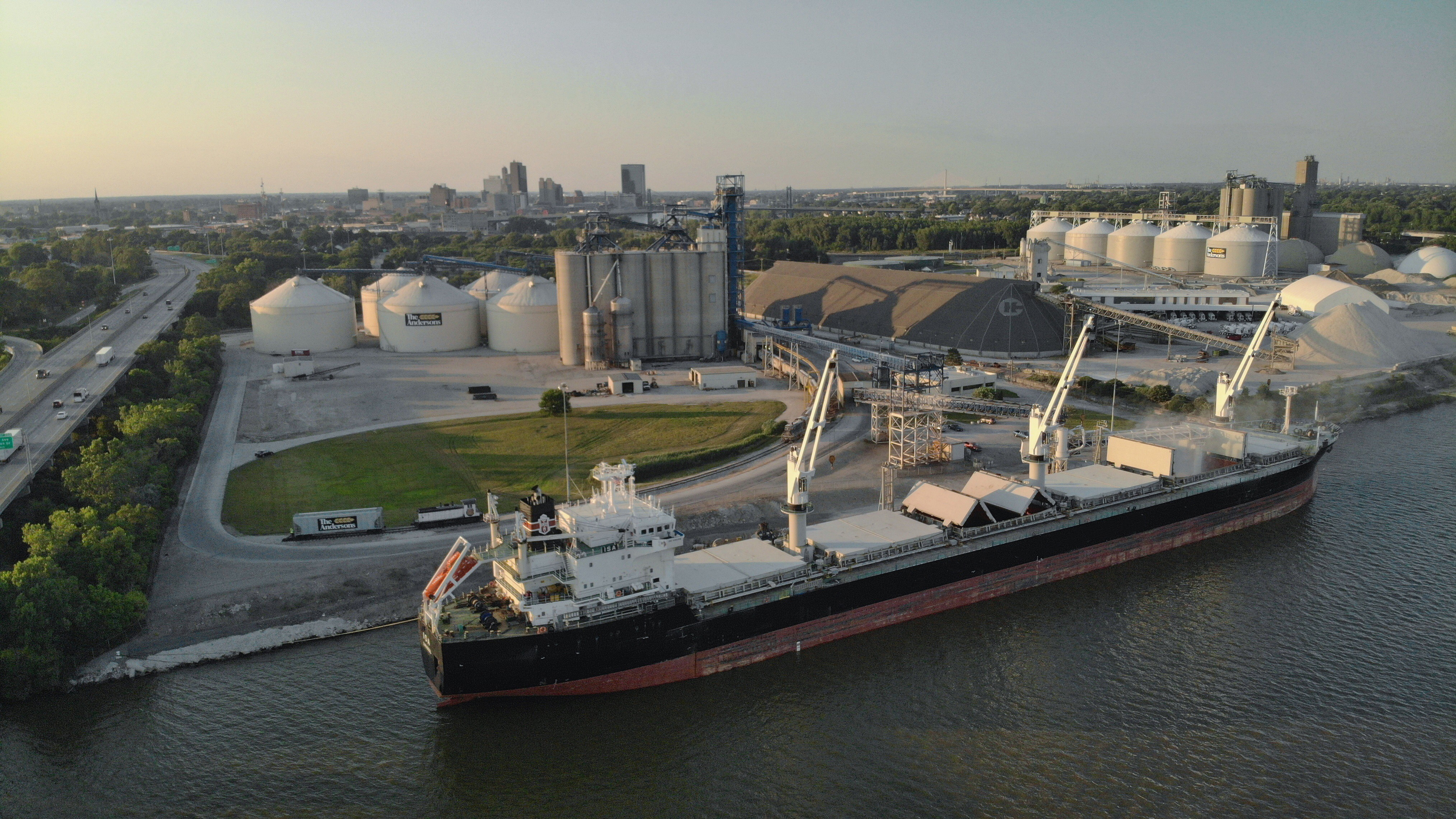
The Andersons, Inc. is acquiring Harvestone Low Carbon Partners (HLCP) from Energy Capital Partners for $915 million, a transaction that will push the Ohio-based agribusiness and renewables company's combined ethanol production platform to approximately 730 million gallons of annual capacity. The deal adds three operating facilities — two in North Dakota and one in Indiana — along with functioning carbon capture and sequestration (CCS) infrastructure that is rare among U.S. ethanol producers. For food and beverage operators, the significance lies downstream: grain origination, co-product availability, and ingredient pricing tied to corn processing are all in motion.
The purchase price breaks roughly in half: approximately $457 million attributed to expected 45Z and 45Q federal tax credit cash flows, with the balance covering base ethanol operations and additional low-carbon project upside. Financing will come from approximately $300 million drawn on The Andersons' existing revolving credit facility and $615 million in new long-term debt, with U.S. Bank National Association and Farm Credit Mid-America providing committed financing. The company projects pro forma long-term debt-to-EBITDA below its stated 2.5x target, and expects the transaction to be immediately accretive to earnings per share and cash flows.
Why Operators Should Track This
The Andersons is not simply buying ethanol gallons — it is acquiring a vertically integrated carbon platform at a moment when low-carbon fuel premiums are compressing conventional ethanol margins industry-wide. HLCP's Class VI CO₂ injection capabilities are among the few operational CCS assets in U.S. ethanol, meaning the combined company can command premium pricing in California's Low Carbon Fuel Standard market and comparable state programs. That pricing advantage shifts competitive dynamics for every grain merchandiser and co-product buyer who relies on the Corn Belt supply chain.
For foodservice procurement teams and food manufacturers, the more immediate watch item is the co-product stream. HLCP's facilities produce dried distillers grains with solubles (DDGS) and distillers corn oil alongside ethanol. The Andersons' existing grain origination and merchandising infrastructure is explicitly designed to maximize value across those co-products, and the company highlighted "best practices" integration and expanded customer relationships across a larger plant fleet as near-term synergy targets. Any consolidation that optimizes co-product extraction at scale tends to tighten DDGS supply to livestock feeders, which in turn influences poultry and pork input costs — cost centers that sit directly upstream of protein prices on restaurant and institutional menus.
What This Signals
This acquisition is the clearest signal yet that large agribusiness operators are treating low-carbon ethanol as a core infrastructure play, not an adjacent bet. With roughly half the $915 million price tag tied to federal tax credits, the deal essentially securitizes policy incentives into a physical asset purchase — a structuring approach that smaller regional grain co-ops and independent ethanol producers cannot replicate. Expect consolidation pressure on mid-tier ethanol operators in the Western and Eastern Corn Belt as differentiated carbon intensity scores become a prerequisite for premium market access.
For food and beverage supply chain managers, the actionable read is to review contract language with corn-based ingredient suppliers and assess whether your DDGS or distillers corn oil sourcing runs through any of the three HLCP facilities now changing hands. The Andersons has historically been an active participant in foodservice and food-manufacturing supply channels, and the combined platform will carry considerably more leverage in those conversations. Operators monitoring ingredient cost volatility and procurement shifts should add low-carbon ethanol consolidation to their tracking dashboard heading into 2027.
Written by Michael Politz, Author of Guide to Restaurant Success: The Proven Process for Starting Any Restaurant Business From Scratch to Success (ISBN: 978-1-119-66896-1), Founder of Food & Beverage Magazine, the leading online magazine and resource in the industry. Designer of the Bluetooth logo and recognized in Entrepreneur Magazine's "Top 40 Under 40" for founding American Wholesale Floral, Politz is also the Co-founder of the Proof Awards and the CPG Awards and a partner in numerous consumer brands across the food and beverage sector.
Frequently Asked Questions
What's The Andersons' total ethanol capacity after this deal closes?
The Andersons will operate approximately 730 million gallons of annual ethanol production capacity across its combined platform. This acquisition adds three facilities—two in North Dakota and one in Indiana—plus rare carbon capture and sequestration infrastructure that positions the company to compete in premium low-carbon fuel markets.
How is The Andersons financing this $915 million purchase?
The company is deploying $300 million from its existing revolving credit facility and securing $615 million in new long-term debt through U.S. Bank National Association and Farm Credit Mid-America. Management projects pro forma debt-to-EBITDA will remain below its 2.5x target and expects immediate accretion to EPS and cash flow.
Why should my food and beverage operation care about this ethanol deal?
Grain sourcing, corn-derived ingredient pricing, and co-product (DDGS) availability are all tied to ethanol processor consolidation and capacity. The Andersons' vertical integration into low-carbon fuel markets will influence regional corn supply dynamics and ingredient cost structures for your beverage formulations and corn-based additives.
What's the real value driver behind the $915 million price tag?
Approximately $457 million reflects expected federal tax credits from 45Z (sustainable fuel) and 45Q (carbon capture) programs, with the remaining $458 million covering base ethanol operations and low-carbon project upside. This structure underscores the market's dependence on subsidy-driven economics in ethanol production.
Does this deal give The Andersons an edge in California fuel markets?
Yes—HLCP's Class VI CO₂ injection capabilities are among the few operational CCS assets in U.S. ethanol production, enabling The Andersons to secure premium pricing under California's Low Carbon Fuel Standard and comparable regulatory schemes. This competitive moat directly protects margin in an otherwise compressed ethanol market.