Protein is now the organizing principle of prepared-meal delivery — and Tempo, Home Chef's ready-to-heat spinoff under The Kroger Co. family of companies, is building its next menu tier around that reality. The brand is launching Protein Max, a rotating lineup of single-serving meals delivering 40 or more grams of protein per serving, with at least six options available each week. Meals heat in two minutes and start at $16.48 per serving.
The Menu Signal
The launch is not a standalone SKU drop — it's a tier expansion on top of an existing 30g-protein line, adding a higher-ceiling product for customers who are actively managing intake rather than casually watching macros. Andrew Isabel, VP of new product development at Tempo, says protein-packed is "the number one response by far" when the brand surveys customers on what they want more of. That kind of direct-feedback loop driving SKU creation is a playbook other meal-delivery and foodservice operators should note: the signal is coming from existing subscribers, not trend forecasts alone.
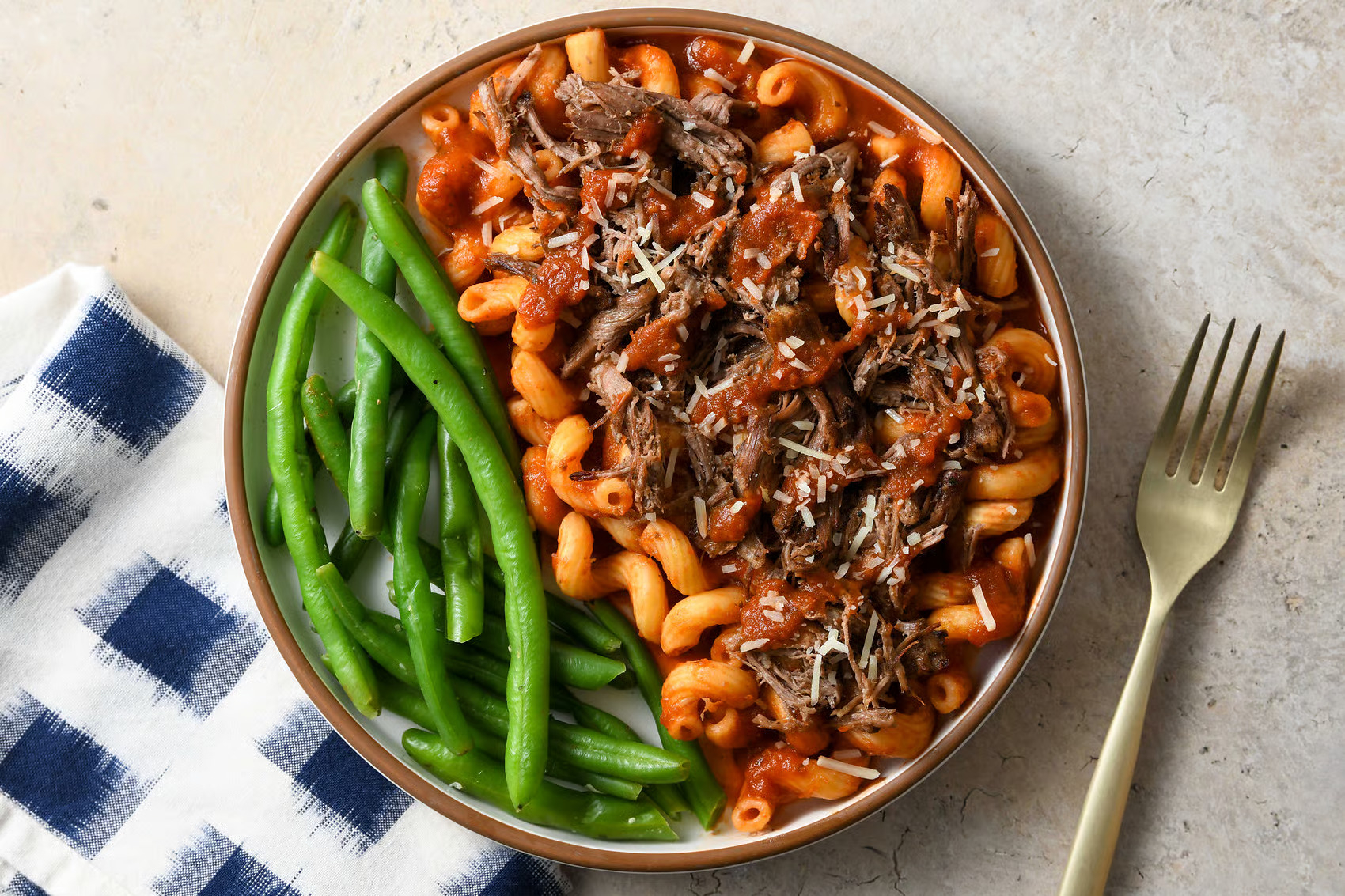
The menu reflects broad protein-source variety — braised beef ragù pasta, pulled pork burrito bowls, teriyaki chicken thighs, hibachi-style rice plates — designed to bridge comfort-food familiarity with macro-forward positioning. Nigel Palmer, executive R&D chef at Tempo, describes the intent as making high-protein eating feel like "a home-cooked recipe" rather than a functional-food compromise. That framing matters as operators in the meal-kit and prepared-foods space compete on satisfaction, not just nutrition labels.
The Wellness Stack
Tempo's broader menu architecture is worth watching from an operator-intelligence standpoint. The brand now operates across multiple wellness lanes simultaneously: GLP-1 Smart, Calorie and Carb-Conscious, Fiber-Rich, Anti-Inflammatory, Pescatarian, and now Protein Max. Adding a breakfast tier — freshly made options with 20-plus grams of protein — extends the daypart coverage and increases subscriber stickiness by reducing the reason to shop elsewhere for morning meals.
The category data backs the directional bet. According to Circana's 2026 research cited in the release, protein ranks as the second most sought-after ingredient among U.S. consumers, trailing only vegetables. For prepared-meal operators, co-presenting high-protein and high-vegetable content in the same SKU — as Tempo does with legumes, fresh vegetables, and scratch sauces alongside animal protein — is an increasingly necessary positioning move, not a premium differentiator.
For foodservice operators and meal-delivery brands evaluating their own menu development strategies or considering how wellness tiers drive retention, Tempo's tiered protein architecture offers a scalable reference model. Competitors in the direct-to-consumer prepared-meal category and ghost kitchen operators serving health-conscious dayparts should treat this as a benchmark for how a Kroger-backed brand is allocating R&D resources in the current wellness cycle. Operators building brand launch packages around functional nutrition should take note of how Tempo is layering multiple health claims without fragmenting the core menu identity.
Written by Michael Politz, Author of Guide to Restaurant Success: The Proven Process for Starting Any Restaurant Business From Scratch to Success (ISBN: 978-1-119-66896-1), Founder of Food & Beverage Magazine, the leading online magazine and resource in the industry. Designer of the Bluetooth logo and recognized in Entrepreneur Magazine's "Top 40 Under 40" for founding American Wholesale Floral, Politz is also the Co-founder of the Proof Awards and the CPG Awards and a partner in numerous consumer brands across the food and beverage sector.