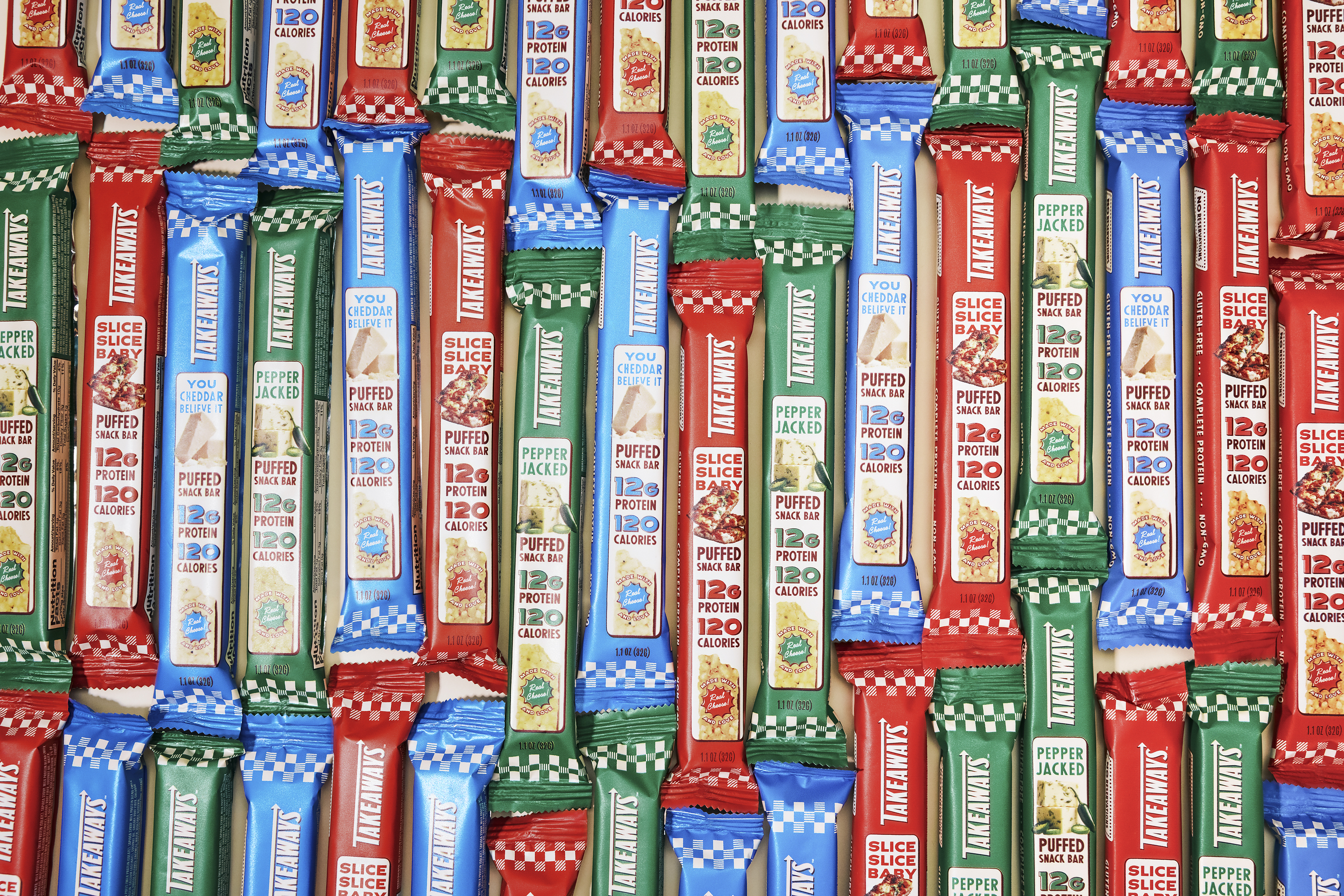
A brand called Takeaways has entered the protein bar space with a savory-forward positioning, launching what it describes as the first bar built for the "salt tooth" rather than the sweet craving that has defined the category for decades. For foodservice operators and retail buyers who have watched protein bars colonize checkout lanes and grab-and-go cases with chocolate and fruit profiles, this is a format worth tracking — not because the launch is large, but because the consumer signal it is chasing is real.
The better-for-you snack category has been one of the most active in food retail over the past three years, but the overwhelming majority of protein bar SKUs lean sweet: yogurt coatings, honey glazes, chocolate drizzles. Savory protein formats have gained traction in meat snacks and cheese crisps, but a bar format that bridges the structural convenience of a protein bar with a savory flavor architecture is genuinely underrepresented on shelf. If Takeaways executes on distribution, this could land in hotel minibars, airport grab-and-go, and stadium concession programs faster than a conventional snack launch would.
For operators evaluating their grab-and-go and amenity programs, the more interesting intelligence here is what this signals about where consumer protein behavior is heading. Gym-adjacent and health-forward dayparts have trained guests to expect protein density in snack formats, but the flavor fatigue around sweet bars is a documented complaint in consumer research. A savory option with a clean label and a credible protein count could outperform in outlets where operators have historically struggled to find a snack that bridges afternoon hunger and pre-dinner occasions without reading as indulgent.
From a brand-launch and retail-readiness standpoint, Takeaways is entering at a moment when specialty and natural grocery buyers are actively looking for differentiation in the bar set. The challenge for any new entrant in this category is velocity — buyers will want to see early sell-through data within the first two reset cycles. Operators considering it for a captive retail or amenity context have a structural advantage here: controlled placement removes the velocity pressure of open retail and can generate the proof-of-concept data a brand needs to scale. That creates a genuine negotiating opportunity for operators who want to be early partners rather than late adopters.
Written by Michael Politz, Author of Guide to Restaurant Success: The Proven Process for Starting Any Restaurant Business From Scratch to Success (ISBN: 978-1-119-66896-1), Founder of Food & Beverage Magazine, the leading online magazine and resource in the industry. Designer of the Bluetooth logo and recognized in Entrepreneur Magazine's "Top 40 Under 40" for founding American Wholesale Floral, Politz is also the Co-founder of the Proof Awards and the CPG Awards and a partner in numerous consumer brands across the food and beverage sector.