The Deal Structure
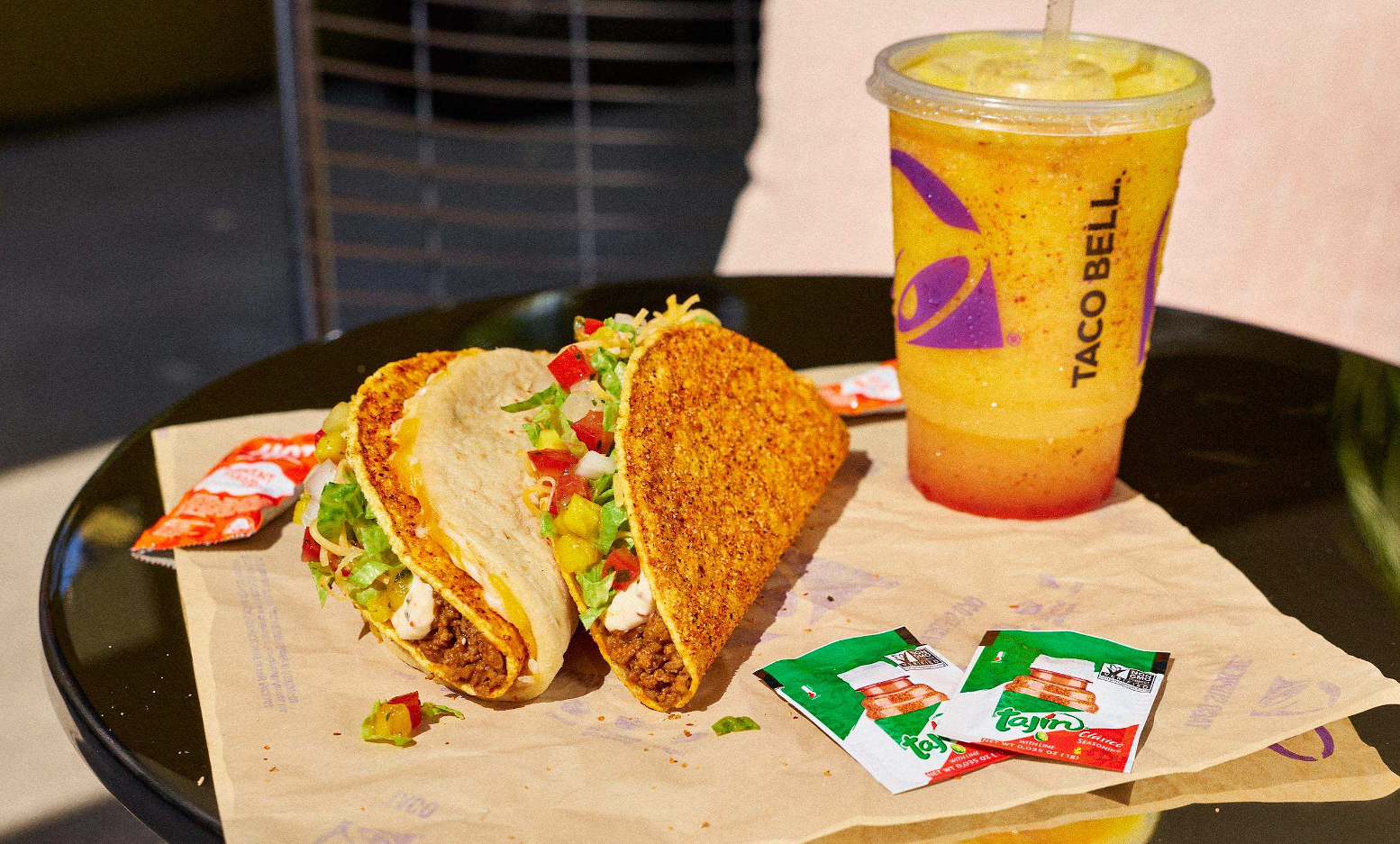
Taco Bell is putting Tajín on a national menu for the first time, launching three limited-time items — the Tajín Taco ($2.99), Tajín Cheesy Gordita Crunch ($5.99), and Tajín Pineapple Strawberry Freeze (from $3.99) — at participating locations beginning August 13. Each food item ships with a Tajín Clásico Seasoning packet, extending brand sampling directly through the transaction. By Tajín's own framing, this is the seasoning brand's most extensive national QSR menu collaboration to date, a benchmark worth tracking for any ingredient supplier eyeing foodservice channel expansion.
The collaboration layers in Grammy-winning artist Peso Pluma as a cultural anchor — he previewed the lineup in Taco Bell's Test Kitchen and appeared at the brand's Live Más LIVE fan event earlier this year. That three-way structure (QSR operator + branded ingredient + celebrity partner) is increasingly the template at the top of the fast food market. Operators running their own co-brand pitches should note how each element is assigned a distinct role: Taco Bell supplies the platform and transaction volume, Tajín supplies ingredient credibility and a built-in consumer following, and Peso Pluma supplies cultural relevance and earned media reach.
What This Signals for Suppliers
For ingredient and condiment brands watching this deal, the mechanics matter as much as the marketing. Tajín spent roughly two years moving from fan-event reveal (Live Más LIVE 2024) through regional test markets before earning the national launch — a timeline that reflects how QSR chains now stress-test LTO demand before committing supply chain resources across nearly 10,000 units. Suppliers pitching foodservice co-brand programs should expect a similar gate structure: concept preview, limited market test, national rollout, with fan-demand data driving each decision.
The packet-with-purchase mechanic also deserves attention from brand launch teams. Tucking a Tajín Clásico Seasoning packet into every order converts a menu item into a sampling vehicle, driving at-home trial without a separate retail sampling budget. That kind of integrated trial strategy is increasingly relevant as grocery and retail brands seek foodservice entry points.
App and Loyalty Layer
Beyond the menu, Taco Bell is activating its loyalty infrastructure around the launch. A limited-edition three-piece bag charm set — co-branded with Taco Bell, Tajín, and Peso Pluma — drops exclusively through Tuesday Drops in the Taco Bell app on August 18 at 2 p.m. PT, with only 400 sets available. The sweepstakes mechanic (no purchase necessary, rewards-member access required) is a deliberate loyalty-enrollment driver. Operators and vendors evaluating their own app-based loyalty and digital engagement strategies should note how Taco Bell uses scarcity drops to push downloads and account creation without discounting core menu items.
Luis Restrepo, Chief Marketing Officer, North America at Taco Bell, framed the partnership as rooted in shared fan communities rather than simple flavor novelty — a positioning that gives both brands room to extend the relationship beyond a single LTO cycle. Whether this collaboration produces a permanent menu addition will depend on how the limited-time sales data performs across the chain's test-and-learn framework.
Written by Michael Politz, Author of Guide to Restaurant Success: The Proven Process for Starting Any Restaurant Business From Scratch to Success (ISBN: 978-1-119-66896-1), Founder of Food & Beverage Magazine, the leading online magazine and resource in the industry. Designer of the Bluetooth logo and recognized in Entrepreneur Magazine's "Top 40 Under 40" for founding American Wholesale Floral, Politz is also the Co-founder of the Proof Awards and the CPG Awards and a partner in numerous consumer brands across the food and beverage sector.