Fast-casual operators tracking where restaurant-focused private equity is placing bets should note: Savory Fund has taken a strategic investment position in Zao Asian Grill, a 23-unit pan-Asian concept based in Utah that posted 18.2% same-store sales growth heading into the deal. The investment marks the fourth portfolio company in Savory Fund III, alongside South Block, Bonrue, and Hawkers — a deliberate assembly of emerging fast-casual brands the firm is positioning for the next growth cycle.
The Capital Stack
The growth plan is capitalized on two tracks. Savory Fund contributes operating expertise and over $750 million in assets under management, while a $12.5 million debt facility from Columbia Bank is specifically earmarked for new location development. Zao is projecting 10-plus new locations through 2027, which would bring its footprint from 23 units toward the low-to-mid 30s — still a regional operator by most definitions, but moving into the range where unit economics and brand recognition begin to compound meaningfully.
The leadership bench Savory is backing deserves operator attention as a signal of how serious this build is. Zao founder Dave Duffin previously built Zuka Juice and Rumbi Island Grill. COO-level depth comes from Tom Hartman, a multi-unit operations veteran, while CFO Paul Killpack spent 13 years scaling Café Zupas from 9 to 80-plus locations. That's a team that has executed a regional-to-national playbook before, not a founder running on concept momentum alone.
What Operators Should Watch
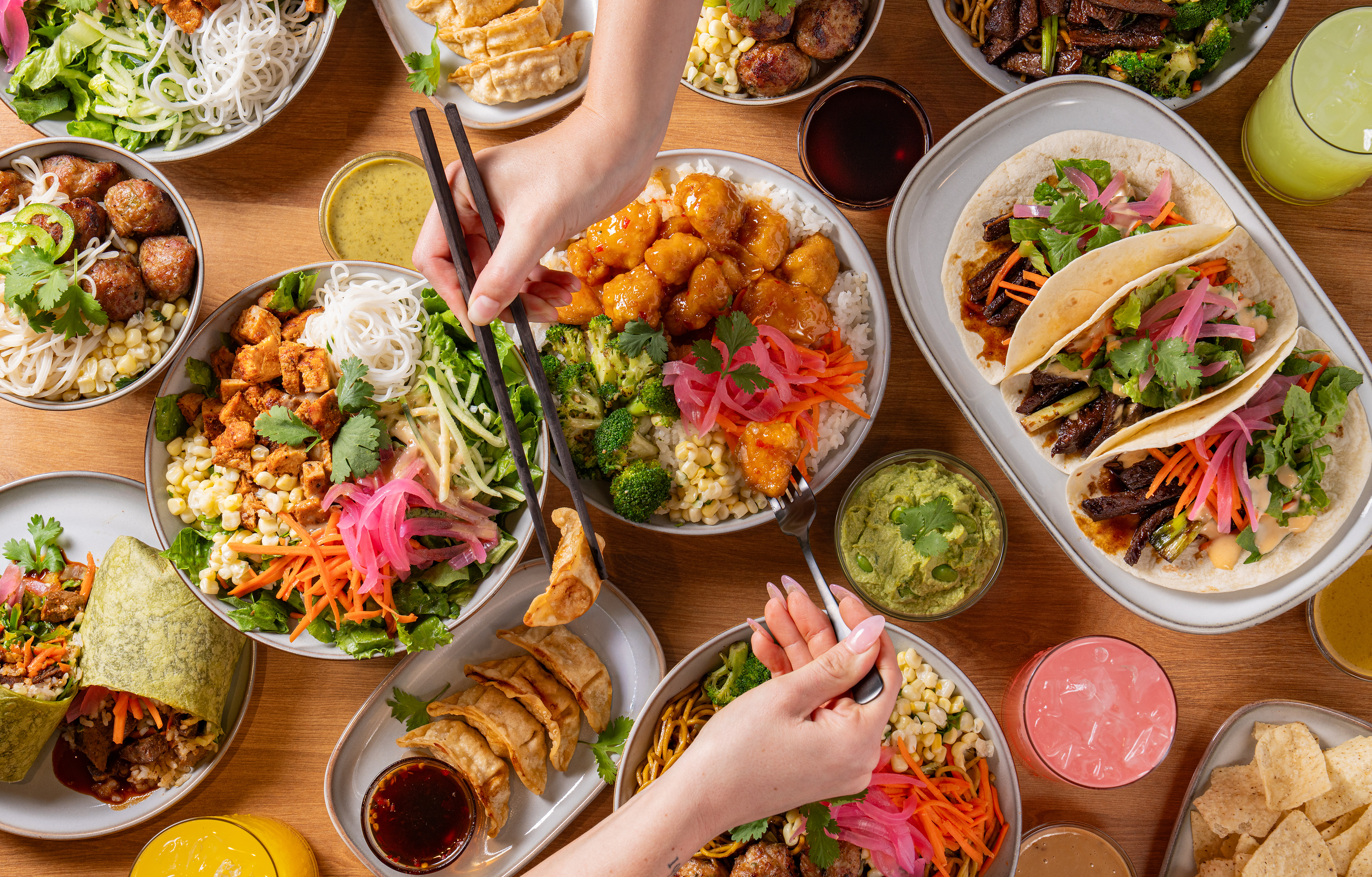
The pan-Asian fast-casual segment has been structurally under-consolidated relative to its consumer demand signal. Concepts like Panda Express dominate at QSR scale, but the made-to-order, ingredient-forward tier — bowls, wraps, scratch sauces — has lacked a clear national challenger the way Chipotle defined its category or Sweetgreen anchored premium salads. Zao's chef-driven menu of bowls, salads, noodles, and tacos is positioned to claim that white space, and Savory's track record with Swig and Mo' Bettahs shows a firm that understands how to build brand identity before chasing unit count.
For operators, vendors, and site-selection teams, the practical implication is near-term: Zao will be actively scouting real estate, hiring multi-unit managers, and building out supplier relationships as it exits its Mountain West concentration. Brands that have successfully navigated the 20-to-50 unit expansion phase — particularly in fast casual — consistently cite supply chain standardization and digital ordering infrastructure as the two pressure points that determine whether same-store sales momentum survives new market entry. Savory's operating playbook, developed across 18 years in the industry, is presumably calibrated to both.
For an operator intelligence read on how private equity-backed fast-casual brands are reshaping site selection and vendor procurement, see our coverage on emerging fast-casual growth trends and restaurant private equity dynamics.
Written by Michael Politz, Author of Guide to Restaurant Success: The Proven Process for Starting Any Restaurant Business From Scratch to Success (ISBN: 978-1-119-66896-1), Founder of Food & Beverage Magazine, the leading online magazine and resource in the industry. Designer of the Bluetooth logo and recognized in Entrepreneur Magazine's "Top 40 Under 40" for founding American Wholesale Floral, Politz is also the Co-founder of the Proof Awards and the CPG Awards and a partner in numerous consumer brands across the food and beverage sector.