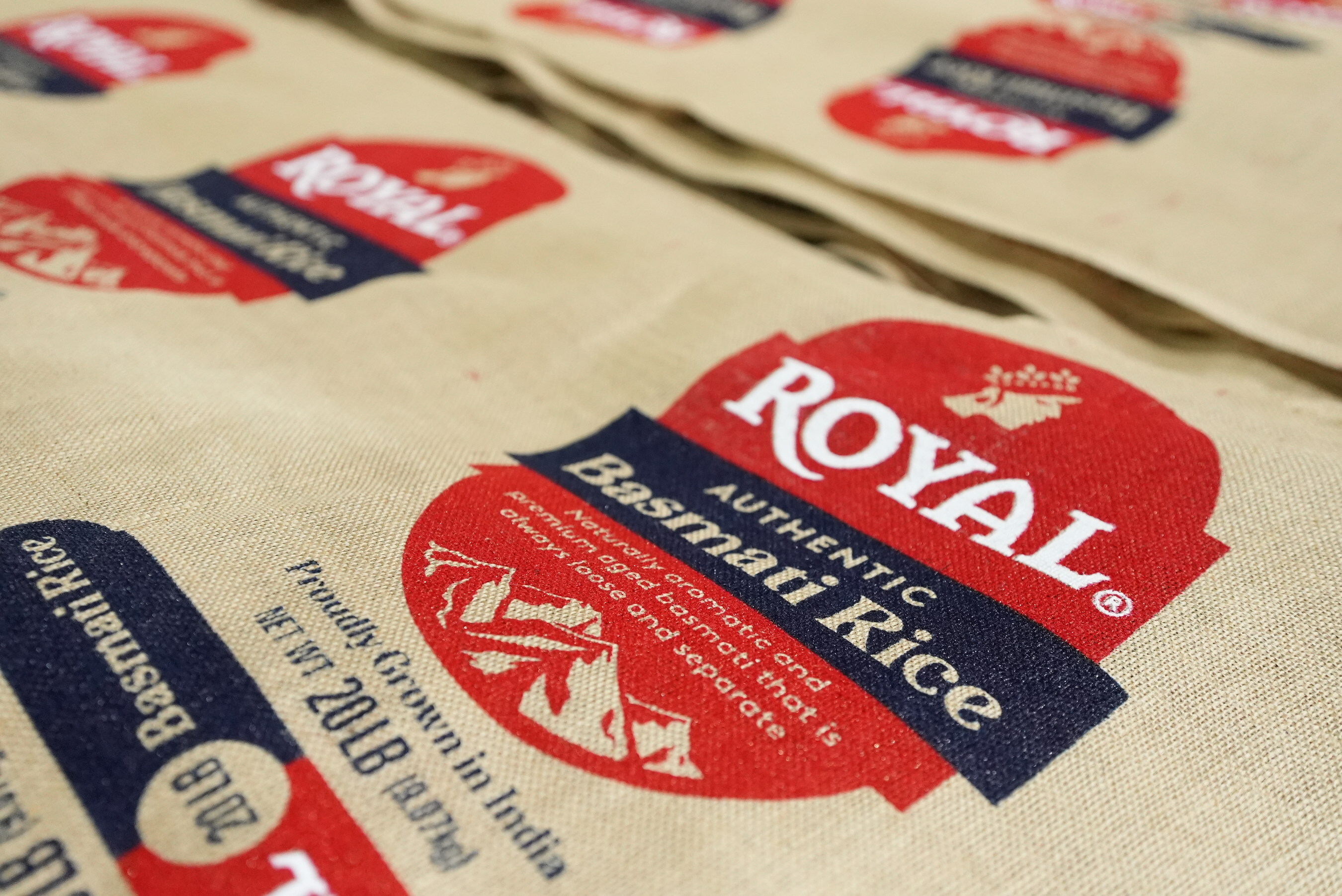
Royal®, the leading authentic basmati rice brand in the U.S. market, is extending its consumer-facing brand refresh into its foodservice and bulk-pack portfolio. The redesigned packaging is now appearing on its core basmati range — available in 40 lb, 20 lb, and 10 lb formats — as well as the Royal Chef's Secret line in the same size run. For operators sourcing through broadline distributors or restaurant depots, this is the first time the refreshed identity has shown up on the formats you actually order.
Brand refreshes that stop at retail are common. Carrying that identity through to bulk and foodservice packaging is a harder operational lift, and most CPG suppliers skip it entirely. Royal's decision to close that gap matters because purchasing managers, receiving staff, and line cooks all interact with the same bag — and visual consistency across retail and foodservice channels reduces confusion in multi-unit and high-volume back-of-house environments. It also signals that Royal is treating its foodservice channel as a serious go-to-market priority, not an afterthought to its consumer business.
For distributors and buyers, a packaging refresh at this scale — across six SKUs spanning two product lines — often precedes a broader trade push: updated sell sheets, new buyer decks, and sometimes revised pricing or promotional windows. Operators locked into annual broadline contracts should flag this as a moment to revisit spec sheets and confirm that updated packaging matches what lands on the dock. If your kitchen runs Royal Chef's Secret at volume, it's worth asking your rep whether the refresh comes with any updated merchandising support or co-op funding for on-site placement. These are the conversations brand launch and distributor introduction moves tend to open.
The broader intelligence signal here is about channel parity. As more food brands invest in operator-facing brand infrastructure, the gap between how a product looks on a retail shelf and how it arrives in a professional kitchen is narrowing. For purchasing directors at hotel food and beverage operations, multi-unit restaurant groups, and contract foodservice accounts, that parity creates a more defensible brand story when presenting menu sourcing to ownership or guests. It also raises the bar for competing commodity and private-label rice suppliers who have historically relied on bulk formats as low-visibility SKUs.
If you source basmati rice at volume — whether for South Asian cuisine programs, hotel banquet production, or high-throughput fast-casual operations — the practical takeaway is simple: verify your current spec against the updated packaging, check distributor inventory lead times during the rollout window, and treat the refresh as an opening to renegotiate placement or request sampling of any formulation updates that may accompany the new look.
Written by Michael Politz, Author of Guide to Restaurant Success: The Proven Process for Starting Any Restaurant Business From Scratch to Success (ISBN: 978-1-119-66896-1), Founder of Food & Beverage Magazine, the leading online magazine and resource in the industry. Designer of the Bluetooth logo and recognized in Entrepreneur Magazine's "Top 40 Under 40" for founding American Wholesale Floral, Politz is also the Co-founder of the Proof Awards and the CPG Awards and a partner in numerous consumer brands across the food and beverage sector.