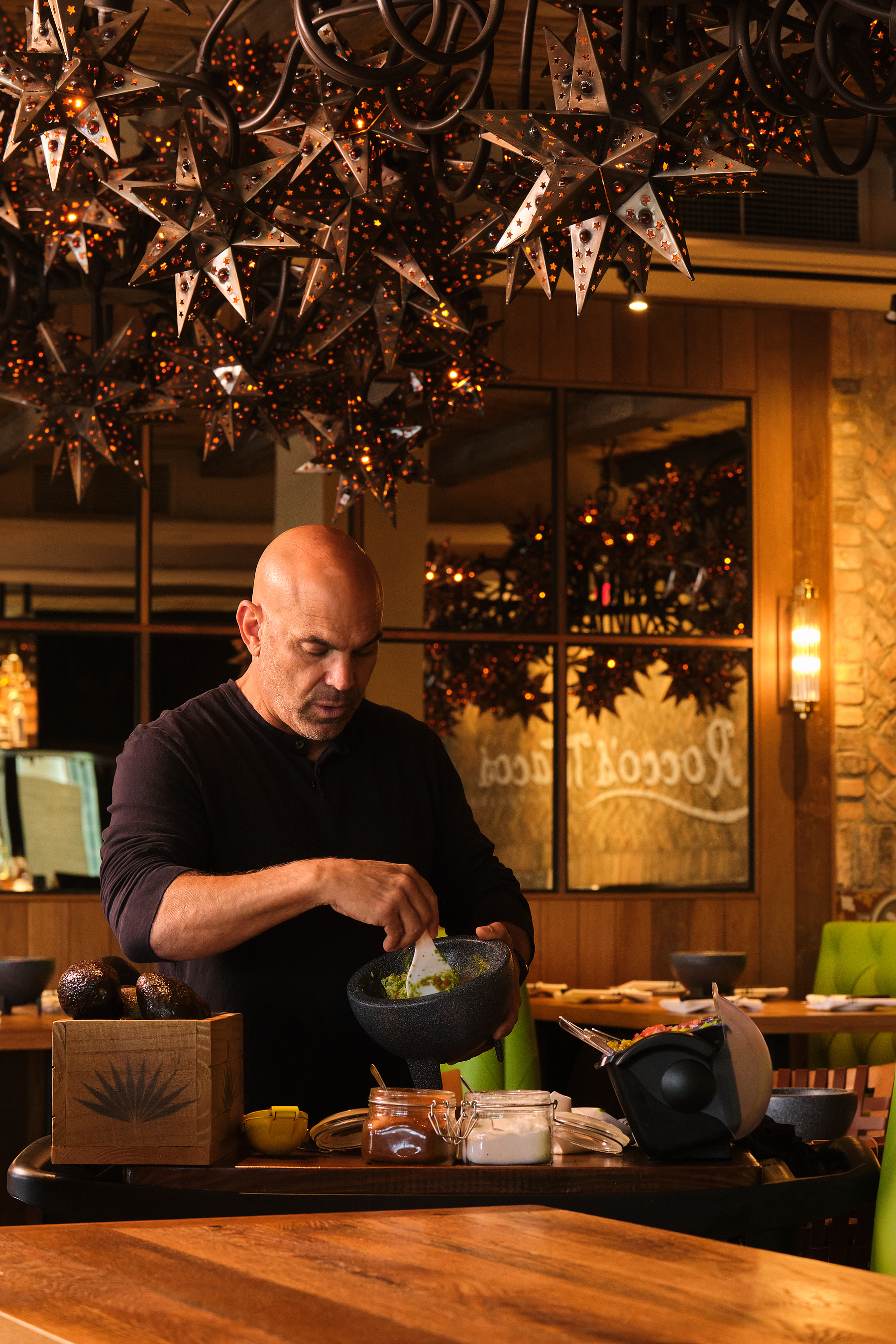
Calendar-based promotions remain one of the lowest-cost traffic levers available to multi-unit operators, and Rocco's Tacos & Tequila Bar is executing that playbook precisely. The South Florida-born concept, now spanning 12 locations across Florida, New York, and Massachusetts under Big Time Restaurant Group, is offering 50.0% off its signature tableside guacamole on September 16 — National Guacamole Day — in-store only across 11 participating locations. Select Florida and New York units will stack a half-price tequila bottle offer on top, sharpening the beverage attach rate on an already high-energy visit.
The Promotion Architecture
The structure here is worth unpacking for operators considering similar activations. The offer is deliberately in-store only, which protects margin on delivery channels while driving physical covers — the visits where tableside experiences, beverage upsells, and repeat-visit impressions actually compound. Rocco's tableside guacamole is made to order at the table from fresh avocados and seasoned chips using the brand's proprietary spice blend, with optional add-ons including pomegranate seeds and chipotle-glazed pork belly. That customization ritual is both a theater moment and a natural upsell vehicle; cutting the entry price on the guac while the table is already engaged with a team member creates a soft runway toward higher-margin margarita and tequila orders.
Founder Rocco Mangel, who opened the first West Palm Beach location in 2007, framed the day around hospitality rather than discounting: the tableside preparation and guest interaction are the product, not just the guacamole itself. That framing matters for operators thinking about how to position price-reduction events internally — the discount is the hook; the experience is the retention mechanism.
What Operators Can Take From This
Calendar-hook promotions — National Guacamole Day, National Margarita Day, National Pizza Day — are increasingly crowded, but Rocco's execution illustrates a few differentiators worth noting. First, the offer is channel-gated: online and delivery customers are excluded, which keeps the economic model clean and reinforces the brand's dine-in identity. Second, the tequila bottle discount at select locations layers a higher-ticket item onto the same visit, lifting average check even as the appetizer line takes a margin hit. Third, limiting participation to specific locations gives the brand a built-in measurement frame — operators can compare cover counts and per-table revenue against non-holiday Tuesdays at the same units.
For multi-unit operators in the casual and polished-casual segments, this kind of geo-targeted, in-store-only promotion also creates an organic social moment. Tableside preparation photographs well and travels on Instagram and TikTok without requiring a paid amplification budget — a meaningful consideration as digital advertising costs continue to pressure restaurant marketing spend. Brands running similar activations should think about whether their signature menu item has enough visual theater to carry earned social traffic before committing to the discount.
The broader trend here aligns with what buyers and operators are watching across the casual-dining segment: experiential menu items — anything with tableside preparation, visible craft, or guest participation — are holding their cover-count value better than static menu offerings. Operators investing in menu development and beverage program design that can anchor a calendar moment have a repeatable traffic tool that costs far less than a paid media flight.
Written by Michael Politz, Author of Guide to Restaurant Success: The Proven Process for Starting Any Restaurant Business From Scratch to Success (ISBN: 978-1-119-66896-1), Founder of Food & Beverage Magazine, the leading online magazine and resource in the industry. Designer of the Bluetooth logo and recognized in Entrepreneur Magazine's "Top 40 Under 40" for founding American Wholesale Floral, Politz is also the Co-founder of the Proof Awards and the CPG Awards and a partner in numerous consumer brands across the food and beverage sector.