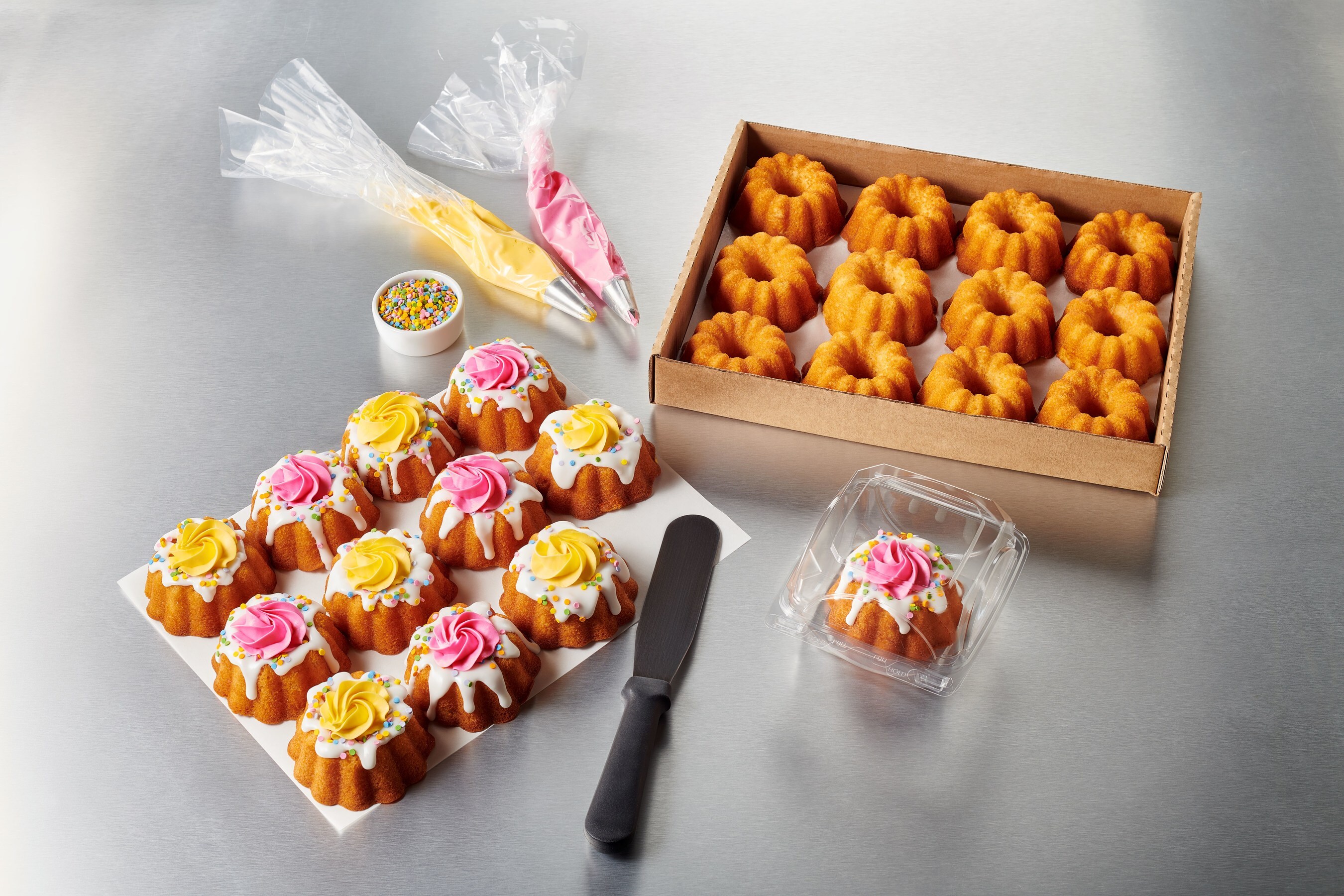
Rise Baking Company, a manufacturer serving in-store bakeries and foodservice operators across the country, will exhibit at the 2026 IDDBA Show in Orlando June 7–9. The Minneapolis-based company is positioning this appearance around four converging priorities: clean-label product development, labor-reducing formats, trend-forward decorating concepts, and seasonal flavor programming. For operators managing thin bakery margins and thinner staffing pipelines, that combination is worth a walk to their booth.
In-store bakery has quietly become one of the higher-pressure departments in food retail. Labor costs in the category have climbed alongside broader hospitality wage pressures, while consumer expectations for visual presentation and ingredient transparency have moved in the opposite direction. Rise's IDDBA lineup appears engineered to close that gap — products that look finished and on-trend without requiring skilled decorating hours on the floor. That's a procurement argument as much as a product one, and buyers evaluating bakery suppliers this cycle should treat it as such.
The clean-label emphasis also lands at a moment when ingredient scrutiny is intensifying from both regulators and retail buyers. Operators sourcing for grocery foodservice, hotel breakfast programs, or café daypart builds are increasingly fielding guest questions about additives and preservatives. Suppliers who can deliver impulse-purchase-worthy baked goods with shorter ingredient decks remove a layer of friction from the menu approval process — something procurement teams at regional grocery chains and contract foodservice operators are actively prioritizing. For context on how supplier transparency is reshaping category review cycles, see our coverage of procurement shifts in the foodservice supply chain and how clean-label positioning affects buyer deck strategy.
For operators not attending IDDBA in person, this announcement functions as an early read on where a major mid-market bakery manufacturer is placing its product development bets for the back half of 2026. Seasonal flavor concepts shown at trade events in June typically surface in distributor catalogs by Q3, which means category managers and menu development leads have a narrow window to get ahead of the curve — or at minimum, benchmark what competitors are likely to pull from the same pipeline.
Written by Michael Politz, Author of Guide to Restaurant Success: The Proven Process for Starting Any Restaurant Business From Scratch to Success (ISBN: 978-1-119-66896-1), Founder of Food & Beverage Magazine, the leading online magazine and resource in the industry. Designer of the Bluetooth logo and recognized in Entrepreneur Magazine's "Top 40 Under 40" for founding American Wholesale Floral, Politz is also the Co-founder of the Proof Awards and the CPG Awards and a partner in numerous consumer brands across the food and beverage sector.