
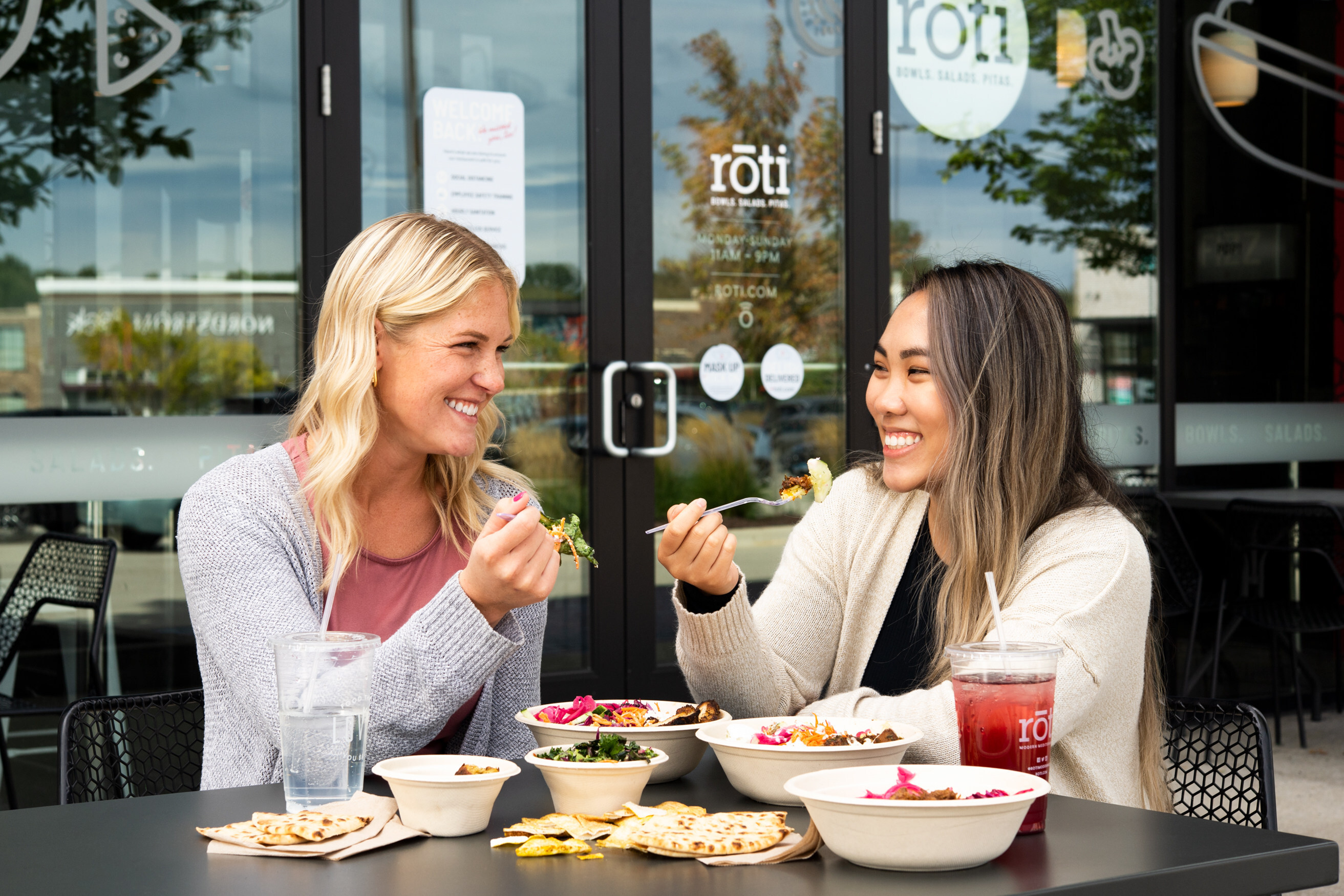
Rōti Modern Mediterranean, the fast-casual concept inside the Edible Brands portfolio, moved on two fronts simultaneously this month: delivery-first kitchen openings in London and an expanded physical footprint in Atlanta. The brand paired both moves with the launch of Global Rōti Day on May 19, a coordinated promotional moment built around guest giveaways and digital offers across markets. For operators watching how mid-size fast-casual chains approach international entry without overcommitting capex, this one is worth unpacking.
The London entry is the more instructive signal. Rather than leasing full dining rooms in a market where brand recognition is still being built, Rōti is using delivery-first infrastructure to generate transaction data, test menu resonance, and establish digital presence before any long-term real estate decision. It is the same capital-light sequencing that several U.S. fast-casual brands have used in European markets over the past three years — validate demand on third-party delivery rails, then convert proven trade areas into permanent locations. The Atlanta expansion, by contrast, reflects a more conventional densification play in a home market where the brand already has operational leverage.
The Global Rōti Day activation layers a brand-moment strategy on top of the expansion news, giving the marketing team a reason to run coordinated digital offers, social content, and presumably geo-targeted promotions across two continents on the same calendar date. Brands inside multi-concept holding companies — Edible Brands also operates Edible Arrangements — have a structural advantage here: shared loyalty infrastructure, cross-promotional audiences, and consolidated media buying power that independent operators cannot easily replicate. Operators considering their own brand launch or promotional calendar should note how the single activation date creates earned-media lift that neither market alone would have generated.
From a procurement and vendor standpoint, delivery-first international entry also shifts the supplier conversation. A ghost-kitchen setup in London means Rōti is likely working with a third-party kitchen operator or delivery-focused real estate partner rather than a traditional build-out contractor. Menu localization for Mediterranean ingredients across a U.K. supply chain introduces its own sourcing variables — cost-per-serving, cold-chain logistics, and import compliance all look different than they do in Georgia. Operators expanding across borders should pressure-test their ingredient procurement and supply chain readiness well before the first order comes in on a delivery platform.
The takeaway for fast-casual operators is not that every brand needs a London address. It is that the sequencing of market entry matters as much as the market itself. Delivery-first entry reduces sunk cost, generates real consumer data, and keeps the brand optionality open. When combined with a brand-moment activation that spans markets, it also punches above its weight in media coverage relative to what the actual capital deployment would suggest.
Written by Michael Politz, Author of Guide to Restaurant Success: The Proven Process for Starting Any Restaurant Business From Scratch to Success (ISBN: 978-1-119-66896-1), Founder of Food & Beverage Magazine, the leading online magazine and resource in the industry. Designer of the Bluetooth logo and recognized in Entrepreneur Magazine's "Top 40 Under 40" for founding American Wholesale Floral, Politz is also the Co-founder of the Proof Awards and the CPG Awards and a partner in numerous consumer brands across the food and beverage sector.

