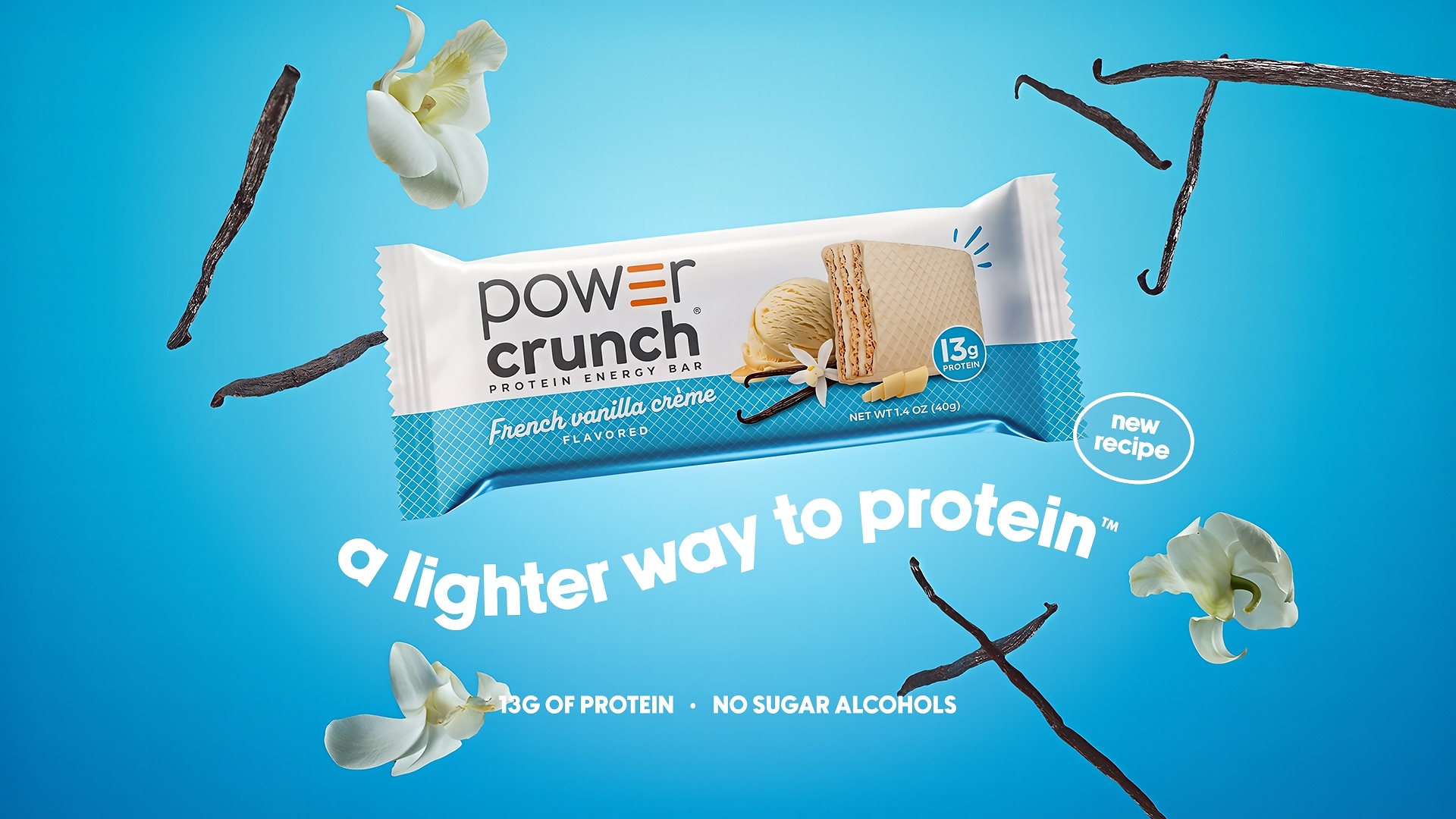
Ferrero North America is moving Power Crunch out of acquisition mode and into active brand-building. The protein bar label — known for its crispy wafer-and-cream format since 2003 — is hitting retail shelves this fall with new packaging, a refined formula, and a campaign platform called A Lighter Way to Protein™. The rollout is the brand's most visible signal yet that Ferrero intends to compete seriously in the better-for-you snack aisle, not just hold an asset.
For buyers and category managers, the timing is deliberate. Fall resets give brands a clean window to merchandise a new look alongside renewed trade support, and Ferrero's distribution infrastructure — 15 plants and warehouses across North America — gives Power Crunch reach that an independent challenger brand could not self-fund. The reformulated bar retains 12–14 grams of protein per serving, drops sugar alcohols, and leans into five flavor varieties: Peanut Butter Fudge, Chocolate Mint, Strawberry Crème, French Vanilla Crème, and Triple Chocolate.
What Ferrero Is Betting On
The protein snack category has become one of the more competitive lanes in food retail, with established players and emerging DTC brands crowding the same shelf space. Power Crunch's differentiation argument — light, airy wafer texture versus the dense, chewy form factor that dominates the category — is a legitimate positioning angle, and one that Ferrero is doubling down on rather than abandoning post-acquisition. Daniel Cutchin, General Manager of Power Crunch at Ferrero USA, framed the relaunch as an evolution of what already resonates: "A protein snack that feels light, flavorful and easy to reach for any time of day."
That positioning also targets a specific consumption occasion — the 2–4 p.m. energy dip — which matters for operators sourcing grab-and-go snack programs in hotels, corporate dining, and convenience-adjacent foodservice settings. A bar that reads as lighter and more snack-forward than a traditional meal-replacement product opens placement conversations beyond the gym-and-supplement channel.
Signals for Retail and Foodservice Buyers
The Ferrero backing changes the commercial calculus for retail buyers evaluating the line. Brands inside the Ferrero portfolio — Butterfinger, Keebler, Famous Amos — have demonstrated that the parent company invests in marketing support post-acquisition rather than harvesting margin. Operators and category managers sourcing branded snack options for vending, amenity programs, or café retail should expect trade promotion and consumer media spend to accompany this relaunch, which reduces the risk of a quiet SKU exit.
For foodservice procurement teams, the reformulation note is worth flagging in supplier reviews: no sugar alcohols is a meaningful label clean-up that broadens the addressable consumer base and simplifies menu callouts in wellness-oriented hospitality contexts. Distribution is live nationwide and through e-commerce now.
Operators building out snack programs or evaluating better-for-you CPG brands for hotel and corporate dining should track how Ferrero deploys media spend behind this platform over the next two quarters. The campaign infrastructure, combined with the parent company's scale, makes Power Crunch a more durable shelf bet than it was as a standalone brand — and a useful benchmark for how legacy protein bar brands are repositioning against functional food trends.
Written by Michael Politz, Author of Guide to Restaurant Success: The Proven Process for Starting Any Restaurant Business From Scratch to Success (ISBN: 978-1-119-66896-1), Founder of Food & Beverage Magazine, the leading online magazine and resource in the industry. Designer of the Bluetooth logo and recognized in Entrepreneur Magazine's "Top 40 Under 40" for founding American Wholesale Floral, Politz is also the Co-founder of the Proof Awards and the CPG Awards and a partner in numerous consumer brands across the food and beverage sector.