$8.1 billion in fiscal 2026 net sales and a 2.0% gain in Adjusted EBITDA to $1,568.9 million — those are the headline numbers from Post Holdings for the fiscal year ended September 30, 2026. But the more instructive signal for foodservice and retail operators is in the guidance: management projects fiscal 2027 Adjusted EBITDA of $1,450 to $1,500 million, a step down from the year just closed. That contraction, combined with ongoing volume pressure in pet food and value cereal, tells a story about demand softness in mid-market consumer packaged goods that extends well beyond one company's earnings call.
Egg Pricing Reversal
Post's Foodservice segment — primarily egg and potato products sold into commercial kitchens, QSR chains, and institutional accounts — posted $2,584.6 million in fiscal 2026 net sales, down 2.1% from the prior year. The culprit is not new demand: it is the lapping of avian influenza-driven egg pricing that inflated the prior-year comparison. Fourth-quarter Foodservice Adjusted EBITDA fell 24.5% year-over-year to $121.6 million as that pricing benefit unwound. For operators still negotiating egg supply contracts or modeling protein ingredient costs for fiscal 2027, this reversal is worth anchoring your projections against. Egg pricing normalization is now a confirmed data point, not a forecast. See also our coverage on ingredient cost planning for foodservice operators.
Pet Food and Cereal Under Pressure
The Post Consumer Brands segment — which includes North American ready-to-eat cereal, granola, pet food, and nut butters — generated $4,112.5 million in fiscal 2026 net sales, up 2.2% on the full year after stripping out the divested pasta business. Underneath that headline, volumes in the fourth quarter told a different story: pet food volumes fell 12.7%, driven by distribution losses and broader category declines, while cereal and granola volumes dropped 4.4%, reflecting value-cereal distribution pullbacks and branded assortment changes. These are not cyclical blips — they point to shelf-space competition intensifying in the value tier and consumers trading across categories. Grocery buyers and category managers sourcing from this segment should expect continued promotional pressure as Post works to recover those distribution points.
The two divestitures completed during the year — the Crystal Farms dairy business in May 2026 and the 8th Avenue pasta business in December 2025 — meaningfully affect comparability. Together they removed roughly $138.5 million in net sales from the Q4 2026 comparison alone. Post is now a tighter portfolio: eggs and potatoes in foodservice, cereal and nut butters in retail, and Weetabix in the UK. That focus makes the company a cleaner read on commodity protein and center-of-store packaged goods dynamics, but it also concentrates exposure to egg-price cycles in a way that investors and foodservice procurement teams should model explicitly.
FY2027 Investment Signals
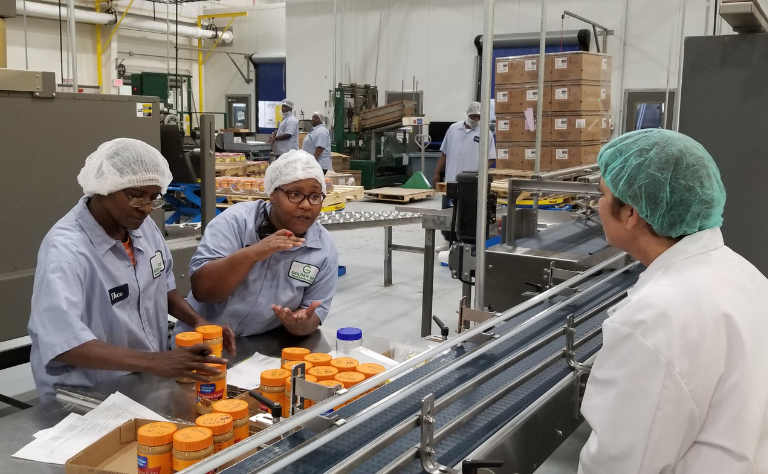
Management's capital expenditure guidance of $360 to $400 million for fiscal 2027 is the most actionable forward signal in the release for industry observers. The stated priorities are cage-free egg facility expansion within the Foodservice segment and nut butter manufacturing optimization within Post Consumer Brands. Both carry direct implications for supply-chain participants: equipment suppliers, packaging vendors, and co-manufacturing partners serving Post's egg processing network should expect procurement activity related to cage-free conversion in the year ahead. That investment pattern also signals that foodservice operators who have committed to cage-free sourcing timelines have a large supplier actively building capacity to serve them. For retail buyers, nut butter manufacturing optimization typically precedes pricing and pack-size rationalization — worth watching in category negotiations. Free cash flow for fiscal 2026 came in at $563.2 million, up from $488.1 million the prior year, giving Post the financial flexibility to fund this capex program without material balance sheet strain despite net leverage of 4.7x under its credit agreement. For further context on how large CPG suppliers are shifting procurement priorities, see our dispatch on supplier consolidation trends in foodservice.
Written by Michael Politz, Author of Guide to Restaurant Success: The Proven Process for Starting Any Restaurant Business From Scratch to Success (ISBN: 978-1-119-66896-1), Founder of Food & Beverage Magazine, the leading online magazine and resource in the industry. Designer of the Bluetooth logo and recognized in Entrepreneur Magazine's "Top 40 Under 40" for founding American Wholesale Floral, Politz is also the Co-founder of the Proof Awards and the CPG Awards and a partner in numerous consumer brands across the food and beverage sector.