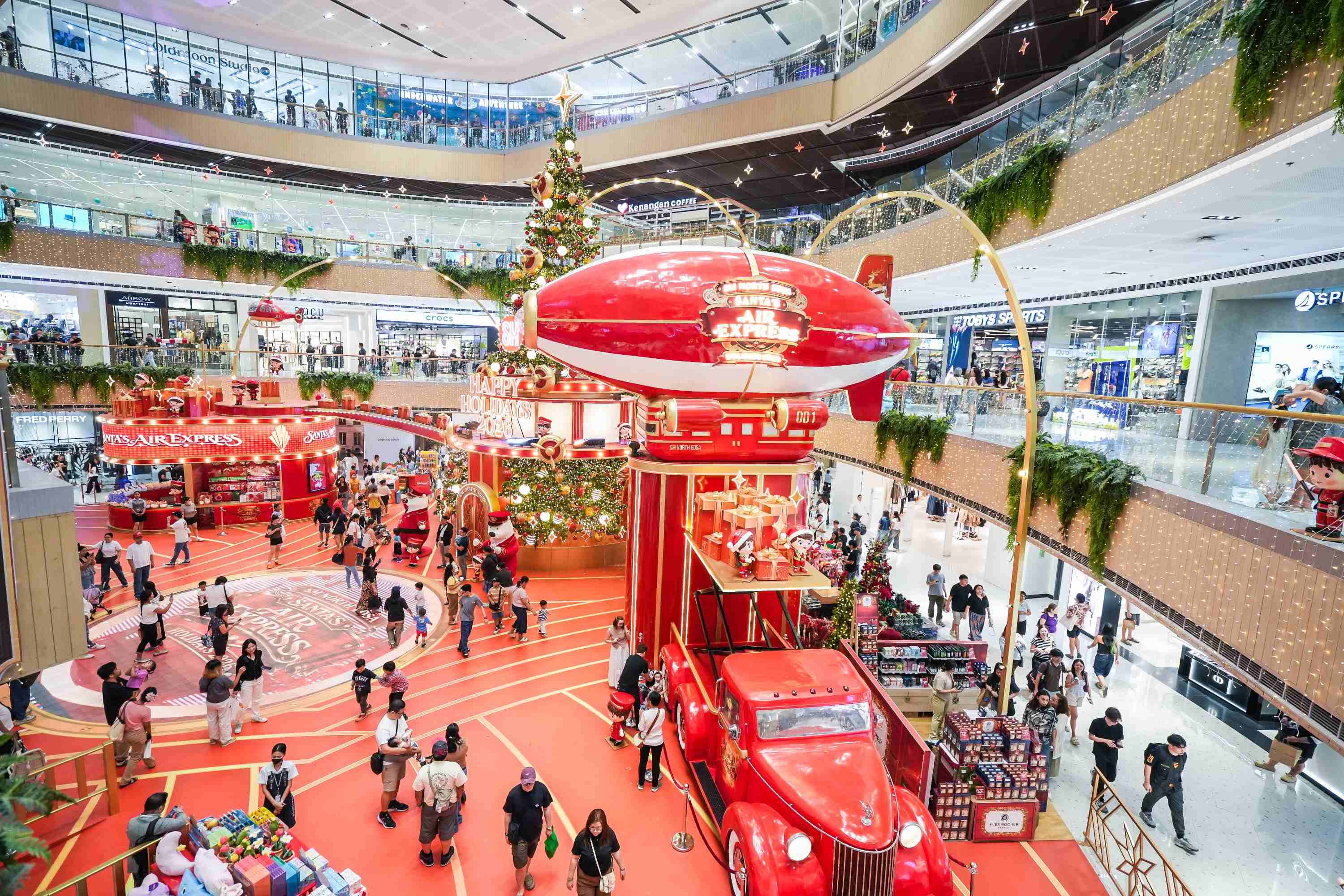
SM Investments Corporation's nine-month results through September 2026 offer a useful demand-side read for food and beverage operators active in the Philippines or tracking Southeast Asian consumer trends. SM Investments posted consolidated net income of PHP70.2 billion, up 9% year over year, with retail — the segment most relevant to F&B — contributing 15% of group net income at PHP13.1 billion, a 7% gain.
Food Retail Signals
The food retail division, anchored by supermarket and minimart formats, recorded steady sales growth on the back of consistent demand for everyday essentials. No single promotional driver was cited; the growth reflects baseline volume, which makes it a cleaner signal for suppliers and distributors assessing shelf velocity and replenishment cadence. For food and beverage brands evaluating Philippine retail entry or SKU expansion, steady broad-based volume in supermarket channels is a more durable indicator than a promotional spike — and SM's footprint is the largest and most diversified retail network in the country.
Specialty retail also moved, with higher sales in toys, stationery, and pet products sitting alongside demand for power-source alternatives. That pet category tailwind is consistent with operator-intelligence trends tracked across Asian markets, where premium pet food and treat formats are increasingly sharing shelf and mall real estate with human F&B.
Mall Dining Leads Property Growth
The SM mall business posted a 10% revenue increase to PHP63.7 billion, attributed to expanded leasable space, higher occupancy, and — critically for this audience — strong demand for dining and experiential offerings. That dining callout in a top-line earnings disclosure is not incidental; it signals that food and beverage tenants are pulling occupancy and driving per-square-meter productivity in ways that justify continued leasing investment.
For restaurant groups and F&B brands evaluating mall-based expansion in the Philippines, SM's data suggests the landlord has both the balance sheet and the tenant-mix incentive to support aggressive dining build-outs. Mall revenues growing at twice the pace of the broader retail segment reinforces what leasing teams in this region have been telling operators: experiential dining is now a primary traffic driver, not an amenity.
On the financial capacity side, SM Investments' total assets stood at PHP1.8 trillion as of September 30, 2026, with a net debt-to-equity of 31:69 — a conservative structure that gives the group room to fund expansion without requiring subsidiaries like SM Retail to seek external capital. For food and beverage suppliers negotiating payment terms or distribution agreements with SM-affiliated retail banners, that balance sheet context matters.
For brands exploring brand launch and retail-readiness strategy in Southeast Asian markets, SM's footprint and financial stability make it a priority account to build toward — but entry requires meeting a large-format retailer's compliance, logistics, and category-management standards from day one.
Written by Michael Politz, Author of Guide to Restaurant Success: The Proven Process for Starting Any Restaurant Business From Scratch to Success (ISBN: 978-1-119-66896-1), Founder of Food & Beverage Magazine, the leading online magazine and resource in the industry. Designer of the Bluetooth logo and recognized in Entrepreneur Magazine's "Top 40 Under 40" for founding American Wholesale Floral, Politz is also the Co-founder of the Proof Awards and the CPG Awards and a partner in numerous consumer brands across the food and beverage sector.