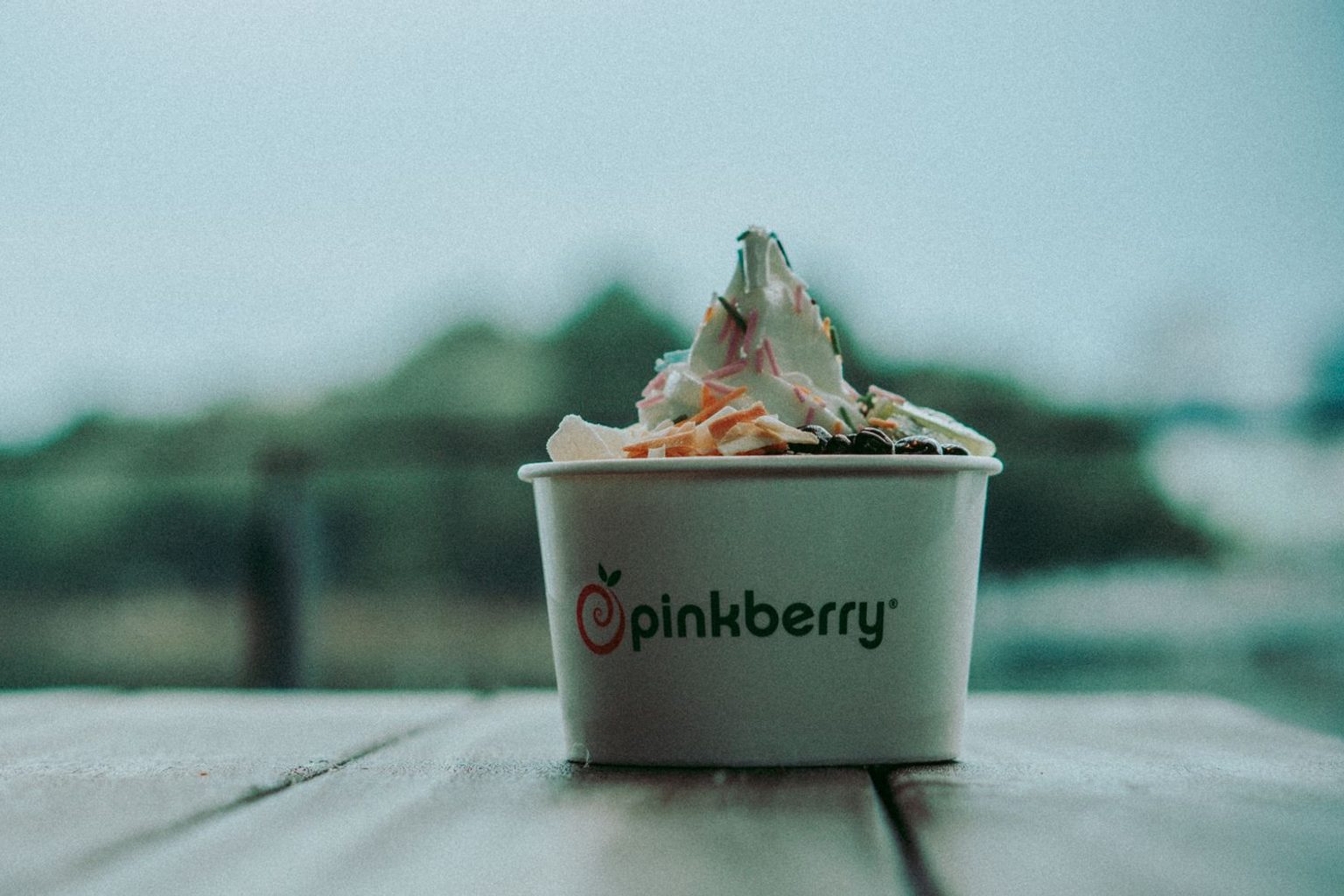
Pinkberry, the tart frozen yogurt brand operating under Kahala Brands' 30-concept franchise portfolio, is running a limited-time Dubai Chocolate-inspired build through August 20, 2026. The Pink Dubai Style frozen yogurt combines original tart base with fresh strawberries, pistachio sauce, ruby chocolate sauce, and crushed roasted pistachios. For franchise operators, the move is a textbook case of converting a social-media trend cycle into a structured promotional window before momentum fades.
The Trend Calculus
Dubai Chocolate — characterized by pistachio-filled chocolate bars finished with kataifi pastry — became one of the most documented dessert trends of the past 18 months, generating hundreds of millions of impressions across TikTok and Instagram before landing on mainstream dessert menus globally. Pinkberry's version substitutes kunafa pastry for crushed roasted pistachios and swaps milk chocolate for ruby chocolate sauce, preserving the flavor profile while keeping the build operationally manageable for a self-serve frozen yogurt format. That translation from a complex confection to a streamlined QSR topping combination is exactly the kind of menu engineering operators at every tier are watching.
For multi-unit frozen yogurt and dessert franchise operators, this LTO structure reinforces a few durable realities about trend-driven menu strategy. Kahala Brands, headquartered in Scottsdale and franchising approximately 3,000 locations across 35 countries, has the supply-chain leverage to source specialty inputs — pistachio sauce, ruby chocolate — at volume without requiring individual franchisees to manage complex procurement. Smaller independent operators who want to chase the same trend are navigating a different equation: specialty pistachio cream and ruby chocolate are now widely stocked by Sysco and US Foods broadline distribution, but margin math at the unit level requires careful attention to topping cost relative to average ticket.
What Operators Should Watch
The August 20 hard close on this build is operationally significant. Short promotional windows — typically four to eight weeks — create urgency for guests and limit the supply and training complexity for franchisees. They also generate cleaner sales data for the franchisor to evaluate whether a trend-driven SKU has legs as a permanent menu item or is better cycled out. Operators running their own LTO programs should note that the most effective trend-based builds share three traits visible here: a recognizable cultural reference, a topping combination that works within existing equipment and prep workflows, and a visual payoff that photographs well for organic social amplification.
Ruby chocolate — the fourth variety of chocolate after dark, milk, and white — carries a natural pink hue that differentiates the build visually without food coloring, which aligns with cleaner-label expectations increasingly common among dessert consumers. For operators building out seasonal menu and LTO strategy, that visual distinctiveness is a meaningful driver of repeat visits and earned media.
For franchise systems and independent dessert operators alike, the broader signal here is that the Dubai Chocolate trend still has sufficient cultural velocity in summer 2026 to justify a promotional push — but the window is narrowing. Brands that have not yet moved on this trend are likely past the peak adoption curve for a full LTO build. The more actionable application for most operators now is incorporating pistachio and ruby chocolate as permanent topping options to capture residual demand without the overhead of a dedicated promotional campaign. For additional context on how dessert and beverage brands are building trend-responsive LTO frameworks, the mechanics here are replicable across frozen dessert, bakery, and beverage dayparts.
Written by Michael Politz, Author of Guide to Restaurant Success: The Proven Process for Starting Any Restaurant Business From Scratch to Success (ISBN: 978-1-119-66896-1), Founder of Food & Beverage Magazine, the leading online magazine and resource in the industry. Designer of the Bluetooth logo and recognized in Entrepreneur Magazine's "Top 40 Under 40" for founding American Wholesale Floral, Politz is also the Co-founder of the Proof Awards and the CPG Awards and a partner in numerous consumer brands across the food and beverage sector.