The Investment Case
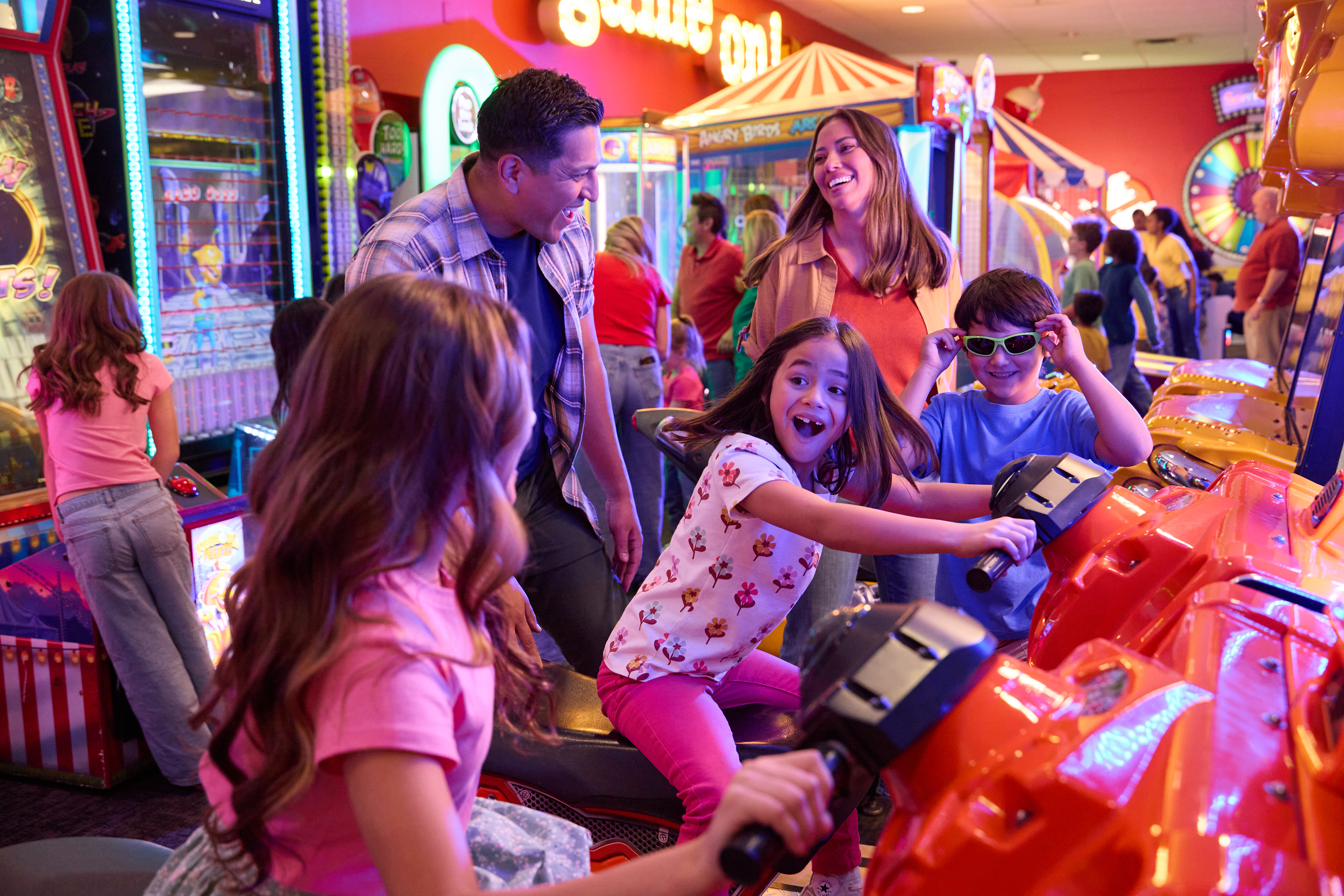
Peter Piper Pizza is rolling out more than 100 new arcade and claw-machine units across all of its Arizona and New Mexico locations — more than 40 restaurants — funded by a $1 million systemwide capital commitment. Titles include licensed IP-heavy machines (Guardians of the Galaxy, Spider-Man, The Mystery Machine, NBA Gametime) alongside ticket and pusher formats that drive repeat token spend. The full rollout is slated for completion by the end of August 2026. For operators benchmarking entertainment-dining capex, this is a deliberate bet that experiential hardware — not digital loyalty alone — is what moves visit frequency in the sub-$40 family-dining segment.
Menu Layer and Pricing
Running in parallel, the brand is launching three limited-time menu items at participating locations in Arizona, Albuquerque, and Mesquite, Texas. The additions — Cheddar Dippers (scratch dough stuffed with cheddar and a choice of bacon or jalapeños), a returning Mandarin Cranberry Salad, and a Strawberry Crunch dessert item — are positioned to expand check size beyond the pizza core. All three lean into the brand's "made-from-scratch, never-frozen" dough platform, which functions as a quality differentiator in a segment that competes heavily on value perception. The accompanying Double Up XL deal — two extra-large one-topping pizzas for $29.99 at participating U.S. locations — anchors the pricing ladder and is available across dine-in, carryout, and delivery channels.
What Operators Should Watch
Peter Piper Pizza is a wholly owned subsidiary of CEC Entertainment LLC, which also operates Chuck E. Cheese — meaning this arcade refresh draws on a parent company with deep experience monetizing entertainment-dining floor space. That context matters: when a multi-concept operator with 115-plus locations makes a coordinated hardware push timed to a menu refresh, it is testing a specific playbook — simultaneous experience and menu investment — rather than treating the two levers independently. Family-entertainment concepts that compete in the Southwest regional market should note that licensed IP games raise the experiential bar and the replacement cycle expectation. Operators in adjacent segments (laser tag, bowling-lane dining, trampoline parks with F&B) face the same pressure to rotate hardware faster than the three-to-five-year cycles that were standard pre-pandemic.
For foodservice operators exploring experiential upgrades, the math here is straightforward: $1 million across 40-plus locations averages roughly $25,000 per unit in new arcade hardware. That is a accessible-capex benchmark for regional family-dining chains considering similar refresh cycles. Pairing the hardware spend with LTOs — rather than a full menu overhaul — keeps food costs manageable while generating earned media and in-market buzz. Genaro Perez, Chief Marketing Officer of Peter Piper Pizza, framed the dual move as creating "more ways for families to share a great meal, play together and make memories" — language that signals the brand is marketing the occasion, not just the product.
Operators tracking brand-launch and LTO strategy or evaluating hospitality tech and entertainment-dining trends should treat this rollout as a regional case study in coordinated capex-plus-menu signaling.
Written by Michael Politz, Author of Guide to Restaurant Success: The Proven Process for Starting Any Restaurant Business From Scratch to Success (ISBN: 978-1-119-66896-1), Founder of Food & Beverage Magazine, the leading online magazine and resource in the industry. Designer of the Bluetooth logo and recognized in Entrepreneur Magazine's "Top 40 Under 40" for founding American Wholesale Floral, Politz is also the Co-founder of the Proof Awards and the CPG Awards and a partner in numerous consumer brands across the food and beverage sector.