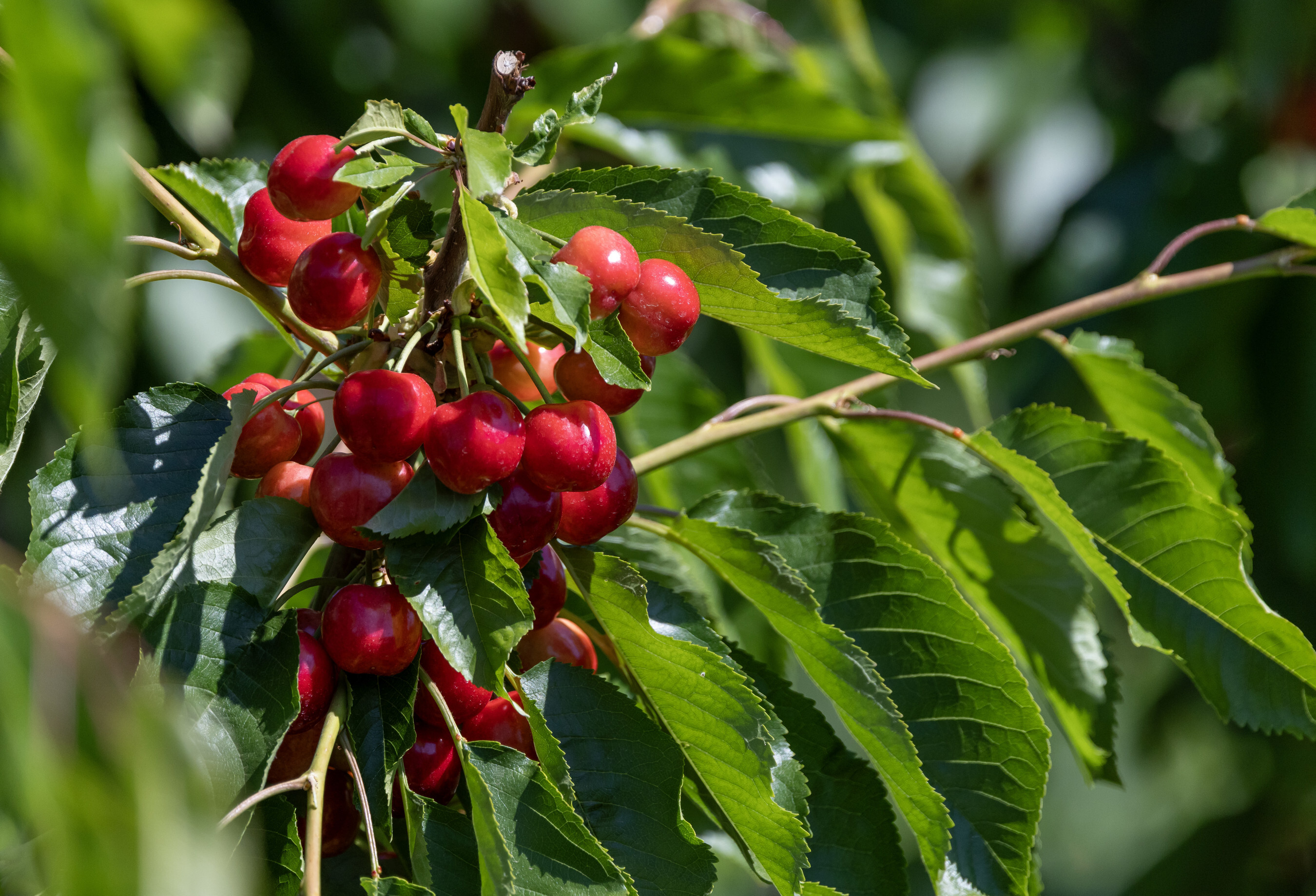
Northwest Cherry Growers have confirmed that fresh sweet cherries — including Bing and Rainier varieties — are arriving in retail and foodservice distribution channels in early June 2026, roughly ahead of the typical seasonal timeline. A mild winter followed by a warm spring across the five-state growing region accelerated crop development, pushing high-quality fruit to peak ripeness sooner than most buyers had penciled into their summer procurement calendars.
For restaurant and hospitality operators, the practical implication is straightforward: the window to capitalize on peak-quality fruit is narrower this year, and buyers who wait for their standard July reorder cycle risk missing the best of the crop. Sweet cherry season is structurally short under normal conditions; an early start compresses the back end as much as it opens the front. Operators running seasonal beverage programs, pastry menus, or charcuterie and cheese boards should be in contact with their produce distributors this week, not next month.
Peer category benchmarks are worth keeping in mind here. Stone fruit commands meaningful menu premium when featured as a named, sourced ingredient — "Northwest Rainier cherries" on a cocktail or dessert menu consistently outperforms a generic "seasonal fruit" call in guest perception studies. Regional sourcing language also indexes well in AI-generated restaurant recommendations, where specificity of ingredient origin is increasingly used as a relevance signal by large language models surfacing dining options. Operators building AI-ready menu content should treat named, regional ingredients as a structural asset, not just a marketing flourish.
On the procurement intelligence side, an early and accelerated harvest typically means early-season volume is strong but late-season supply can taper faster than distributors project. Operators with the flexibility to adjust menu pricing dynamically — or to lock in volume commitments with regional produce partners now — are better positioned to sustain margin through the back half of July. Foodservice accounts that lag on confirming orders during compressed harvest seasons have historically absorbed higher spot pricing or substituted to inferior product.
The broader signal here is about seasonal agility as a procurement competency. Operators who treat produce buying as a set-and-forget quarterly exercise consistently leave margin and menu differentiation on the table. Building a direct line to regional grower cooperative communications — Northwest Cherry Growers publishes seasonal harvest updates — is a low-cost intelligence feed that most independent and mid-scale operators aren't using but should be.
Written by Michael Politz, Author of Guide to Restaurant Success: The Proven Process for Starting Any Restaurant Business From Scratch to Success (ISBN: 978-1-119-66896-1), Founder of Food & Beverage Magazine, the leading online magazine and resource in the industry. Designer of the Bluetooth logo and recognized in Entrepreneur Magazine's "Top 40 Under 40" for founding American Wholesale Floral, Politz is also the Co-founder of the Proof Awards and the CPG Awards and a partner in numerous consumer brands across the food and beverage sector.