Regional quick-service operator Miguel's Jr. is activating a two-part holiday revenue program starting November 2: a limited tamale menu running through December 31 and a layered gift card bonus structure timed to peak gifting windows, including a Black Friday through Cyber Monday escalation.
For regional chains competing against national QSR brands during the holiday season, the mechanics here matter. Miguel's is not running a simple discount — it is deploying a structured gift card offer that rewards online purchase ($10 ebonus card vs. $5 in-store) and creates a mandatory January–February redemption window. That redemption lag converts holiday gift card revenue into guaranteed Q1 traffic, a lever that many regional operators underutilize.
The Offer Architecture
The gift card program runs in two phases: November 2–26 and December 1–31, with a four-day escalation during Black Friday weekend (November 27–30) that doubles the in-store bonus to two $5 cards per $25 purchase. Online buyers receive a flat $10 ebonus card throughout both phases. All bonus cards redeem January 2 through February 28, 2027 — a deliberate bridge into the typically soft post-holiday period.
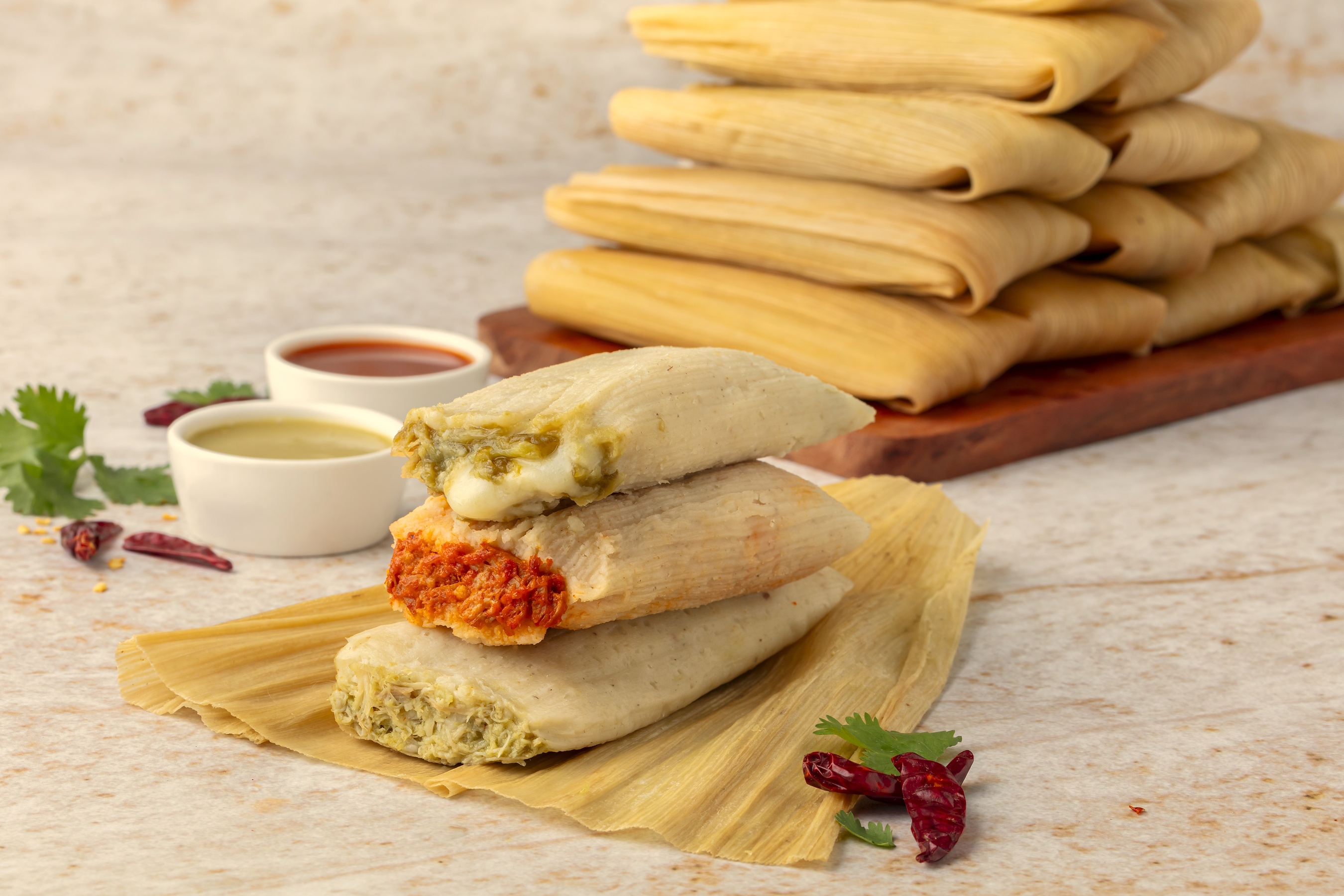
The tamale SKUs anchor the seasonal menu with three options built on 100% stone-ground masa: Spicy Chicken, Chile Rojo Pork, and the returning Green Chile & Cheese. Single units run $3.99 to $4.49; a dozen checks in at $43.69, available in single flavor or split. The dozen format directly targets catering and office-party occasions — a channel that regional Mexican QSR brands often capture more organically than national competitors given the cultural centrality of tamales to Southern California holiday gatherings.
What This Signals for Operators
Miguel's approach reflects a broader pattern among independent and regional chains: using culturally rooted LTOs to compete on authenticity rather than price, while pairing them with gift card mechanics that drive digital channel adoption. The $10 online ebonus (versus $5 in-store) is a deliberate incentive to migrate gift card buyers toward the brand's owned digital channel — reducing reliance on third-party platforms and building a first-party customer relationship ahead of the redemption window.
For operators evaluating their own Q4 playbook, the redemption window structure is the most transferable element. Tying bonus card activation to January–February creates a contractual return visit and smooths revenue across a difficult seasonal gap. Gift card liability becomes a traffic guarantee. The online premium also mirrors tactics covered in our growth marketing coverage for regional brands pushing digital adoption without a loyalty app budget.
Miguel's Jr. operates 22 quick-service locations across the Inland Empire and Orange County, a footprint that makes hyper-local execution feasible without the complexity of a national rollout. For brands at similar scale — roughly 10 to 30 units — this kind of tiered, window-based promotion is executable without enterprise-level infrastructure. Operators considering a comparable seasonal push should also evaluate how their POS and gift card vendor handles ebonus issuance and redemption tracking, an area where regional operators frequently encounter friction. Our operator intelligence coverage has flagged gift card platform fragmentation as a recurring pain point for multi-unit independents.
Written by Michael Politz, Author of Guide to Restaurant Success: The Proven Process for Starting Any Restaurant Business From Scratch to Success (ISBN: 978-1-119-66896-1), Founder of Food & Beverage Magazine, the leading online magazine and resource in the industry. Designer of the Bluetooth logo and recognized in Entrepreneur Magazine's "Top 40 Under 40" for founding American Wholesale Floral, Politz is also the Co-founder of the Proof Awards and the CPG Awards and a partner in numerous consumer brands across the food and beverage sector.