The LTO Structure
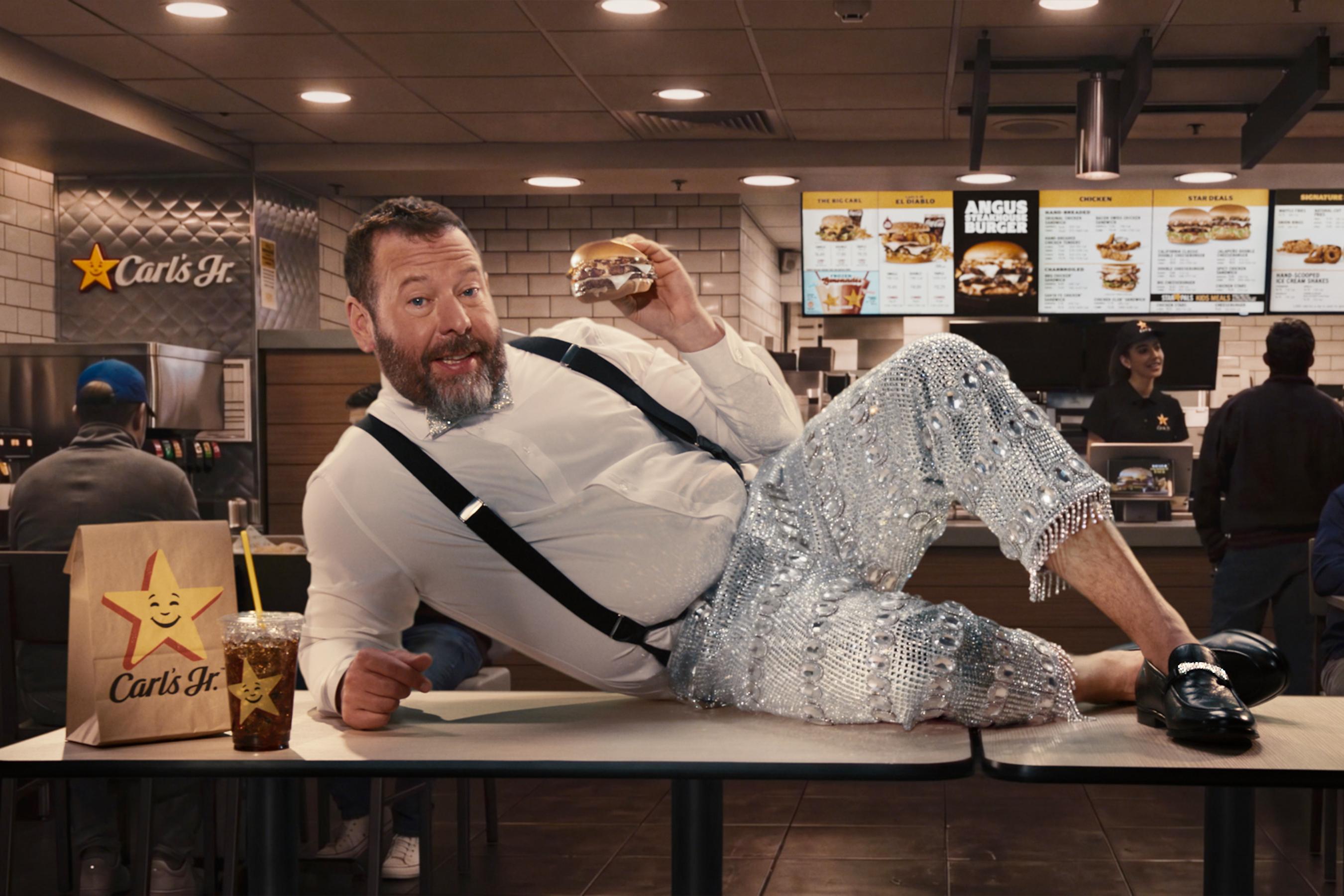
Carl's Jr. is running a limited-time Angus Steakhouse Burger through January 19, 2027 — a roughly ten-week window timed to the fall-winter daypart, when QSR operators historically see stronger attachment to premium beef and comfort-forward builds. The sandwich carries two seasoned, charbroiled 100% Angus beef patties totaling one-third pound, Swiss cheese, grilled onions, and bistro steak sauce on a buttered brioche bun. The build is intentionally positioned against casual-dining steakhouse occasions, not against the brand's existing burger lineup.
The campaign adds comedian and actor Bert Kreischer as the face of the launch — a casting choice that fits the brand's established pattern of using high-reach, male-skewing talent to drive social amplification without paying for a tier-one sports endorsement. For CKE Restaurants Holdings, which operates more than 3,600 Carl's Jr. and Hardee's units across domestic and international markets, a celeb-anchored LTO remains one of the most cost-efficient reach vehicles available at scale.
What Operators Should Read Here
The steakhouse-occasion framing is the more instructive move. QSR and fast-casual operators across segments have been testing "trade-down from casual dining" positioning since elevated menu prices at sit-down restaurants pushed value-seeking guests toward premium fast food. Carl's Jr. is not the first to run this angle — competitors have used words like "restaurant quality" and "steakhouse-inspired" on beef builds for several cycles — but the brioche bun, bistro steak sauce, and Swiss cheese combination signals a deliberate effort to close the perceived gap between a $14 casual-dining entrée and a drive-through order.
The loyalty integration is the operational lever worth tracking. The press announcement directs guests to download the Carl's Jr. app and enroll in the My Rewards program to access promotional pricing on the LTO. That pairing — limited-time urgency plus loyalty gating — is a proven mechanism for accelerating app downloads and first-party data collection during a campaign window. Operators running their own loyalty platforms should note the sequencing: the LTO creates the reason to download; the app captures the guest relationship beyond the promotional period.
Signals for the Broader Market
For suppliers and distributors, the Angus beef call-out on a charbroiled build reinforces sustained operator demand for labeled, traceable beef at the QSR tier. That's a procurement signal worth monitoring heading into Q1 2027, particularly as beef input costs remain a live budget variable across the foodservice industry.
For agencies and growth teams managing QSR or fast-casual accounts, the Kreischer campaign is a reminder that mid-tier celebrity partnerships — talent with strong social followings but below premium endorsement rates — continue to outperform on cost-per-reach for LTO launches. Pairing that spend with a geo-fenced paid social push and in-app offer redemption is the standard playbook, and it remains effective when the creative contrast is sharp enough to earn organic coverage. See how programmatic and geo-fencing strategy plays into QSR campaign design and how brand launch timing intersects with loyalty program growth.
Written by Michael Politz, Author of Guide to Restaurant Success: The Proven Process for Starting Any Restaurant Business From Scratch to Success (ISBN: 978-1-119-66896-1), Founder of Food & Beverage Magazine, the leading online magazine and resource in the industry. Designer of the Bluetooth logo and recognized in Entrepreneur Magazine's "Top 40 Under 40" for founding American Wholesale Floral, Politz is also the Co-founder of the Proof Awards and the CPG Awards and a partner in numerous consumer brands across the food and beverage sector.