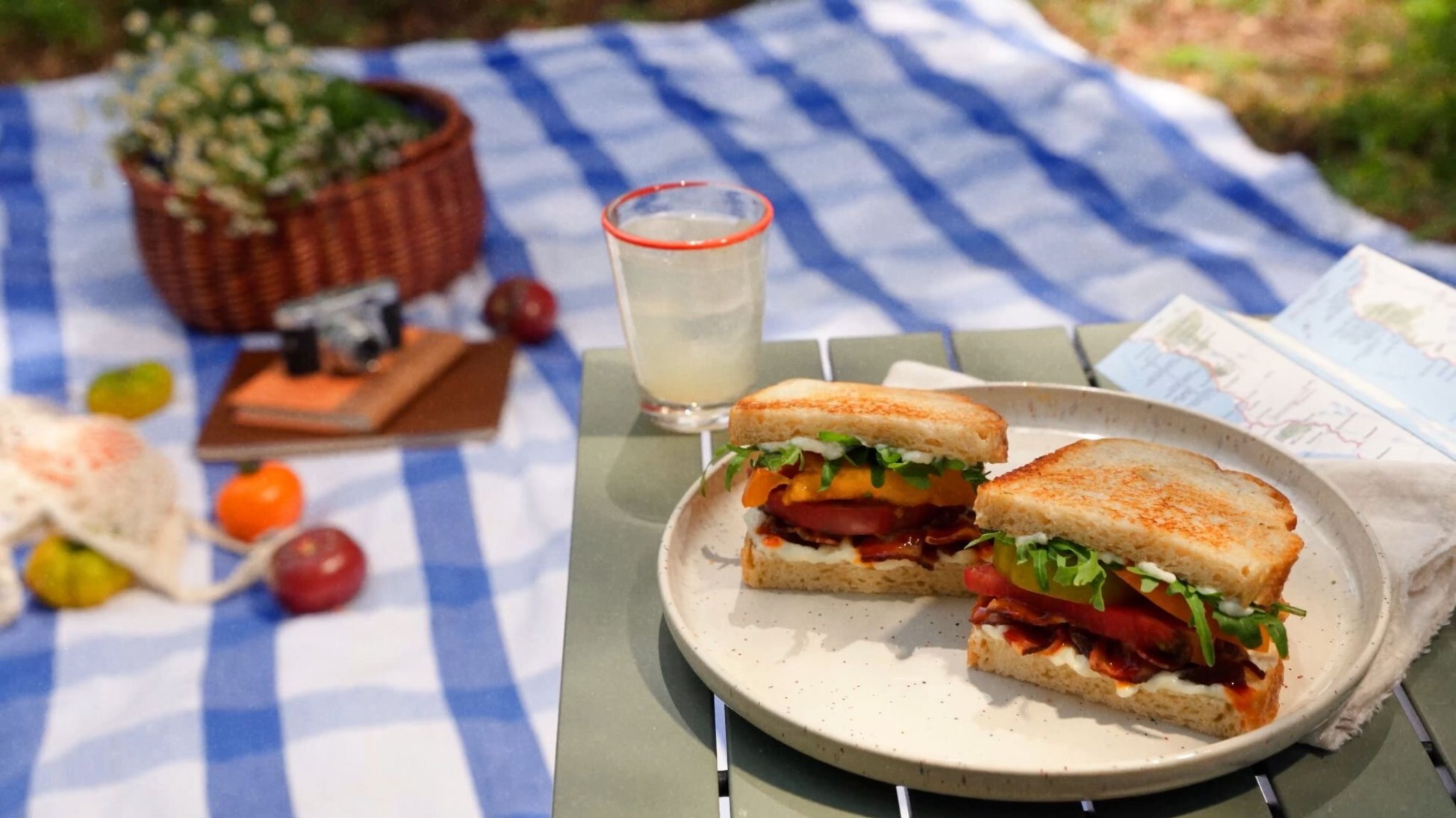
Mendocino Farms is rolling out a summer menu on June 2, 2026, branded under the campaign line "Adventure Tastes Like This" — three new dishes developed by Executive Chef Jeremy Bringardner that lean into bright produce, bold pairings, and nostalgia-forward flavor. The timing is deliberate: the Los Angeles–based fast-casual chain is approaching its 100th location, and this drop functions as both an LTO and a brand-awareness play tied to a growth milestone operators should pay attention to.
For fast-casual brands at the 75-to-100-unit inflection point, seasonal menu programs have become one of the more cost-efficient tools for driving trial in new markets without committing to a full media budget. Rather than leading with paid acquisition in each new trade area, a high-concept seasonal menu generates earned media, social content, and local press — effectively subsidizing the launch lift that geo-fenced paid campaigns would otherwise carry. Brands like Sweetgreen and The Habit have run comparable LTO-as-awareness strategies ahead of regional expansion phases, using chef-driven limited offerings to signal quality positioning before a new DMA goes live. For operators watching competitive daypart share, that sequencing matters.
From a brand-launch intelligence standpoint, the "Adventure Tastes Like This" framing is doing real work. It's a campaign line, not just a menu name — which suggests Mendocino Farms is treating this as a media moment, not a product rotation. Operators and vendors evaluating where fast-casual investment is heading should note that the 100-store threshold is when many multi-unit brands begin formalizing their media and growth infrastructure, moving from market-by-market guerrilla spend toward programmatic, loyalty-integrated, and AI-assisted customer acquisition. Whether Mendocino Farms is there yet is a question worth tracking, but this menu launch is structured like a brand that's preparing for that shift.
For suppliers, packaging vendors, and regional brokers, a chain approaching 100 units on the back of a chef-driven positioning strategy is worth a closer look at procurement windows. Seasonal menus at this scale require fresh-produce sourcing agreements, SKU flexibility, and supply-chain coordination that often creates RFP activity in the 60-to-90-day window before a menu drop. If you're a produce supplier or regional distributor operating in Mendocino Farms' California and Sun Belt footprint, this announcement is a useful signal for upcoming procurement conversations.
The broader takeaway for operators: Mendocino Farms is executing a growth-stage playbook that ties culinary identity to expansion velocity. A three-item seasonal menu may look modest on the surface, but at the 100-store milestone, every brand touchpoint is also a trade signal.
Written by Michael Politz, Author of Guide to Restaurant Success: The Proven Process for Starting Any Restaurant Business From Scratch to Success (ISBN: 978-1-119-66896-1), Founder of Food & Beverage Magazine, the leading online magazine and resource in the industry. Designer of the Bluetooth logo and recognized in Entrepreneur Magazine's "Top 40 Under 40" for founding American Wholesale Floral, Politz is also the Co-founder of the Proof Awards and the CPG Awards and a partner in numerous consumer brands across the food and beverage sector.