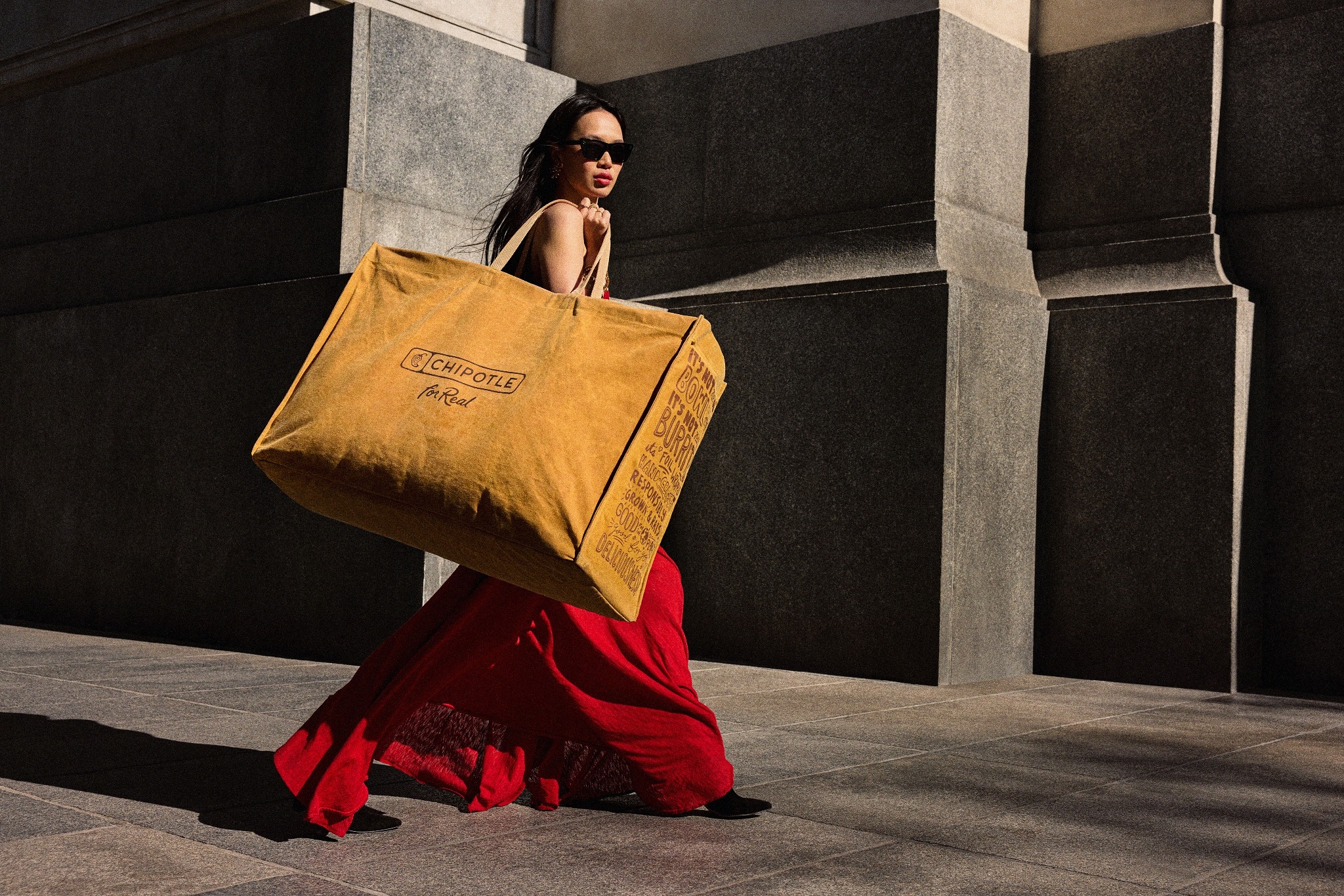
Chipotle Mexican Grill is activating around the second official hydration break of this summer's international soccer tournament final on July 19, converting a scheduled broadcast pause into a consumer sweepstakes it calls the Chipotle "Water" Break — with $1 million in free entrées on the line.
The mechanic lives on the @Chipotle Instagram account. Viewers watching the final are directed to the brand's profile during the second hydration break to track a lemonade-filled cup — a direct nod to the well-documented social joke about guests "accidentally" filling Chipotle's free water cups with lemonade at the beverage station. Participants who engage unlock entrée offers, tying a broadcast moment to a direct-to-consumer redemption.
Why the Mechanic Matters
For operators and brand marketers tracking sports sponsorship ROI, this activation is worth studying for a specific reason: Chipotle did not invent the cultural hook, it harvested one. The lemonade-cup joke has circulated across social platforms for years, built by real guests, not a marketing team. Translating that existing conversation into a time-gated, broadcast-synced Instagram event is a cost-efficient way to generate earned attention alongside paid reach. Brands and their agency partners watching this category should note the model — find the audience behavior that already exists, then build a moment around it rather than manufacturing one from scratch.
The $1 million figure, spread across free entrée offers rather than a single cash prize, also limits liability while maximizing headline impact. From a promotional-economics standpoint, entrée redemption at scale carries food cost, but it drives traffic and transaction data that justify the outlay — particularly when the redemption window ties to an event with a defined end time.
Signals for QSR Growth Teams
Chipotle has been disciplined about digital-first promotions that route engagement through owned and social channels rather than third-party aggregators. This activation follows that pattern: Instagram as the engagement layer, with no mention of delivery app dependency. For QSR operators and their growth agencies, that channel choice is deliberate — it builds first-party audience signals rather than feeding platform intermediaries.
Sports-tied promotions at this scale are increasingly common in the QSR and fast-casual segment, but most rely on television ad buys alone. Chipotle's approach layers a social interaction requirement on top of the broadcast moment, giving the brand a participation signal it can measure against future campaigns. Operators running their own limited-time offers or local sponsorships can apply a scaled-down version of the same logic: find the natural broadcast or event pause, tie an offer to it, and require a channel-native action to unlock it.
For a deeper look at how fast-casual brands are structuring social-first promotional campaigns, see our coverage in the Growth Department and how operators are benchmarking engagement mechanics in Operator Intelligence.
Written by Michael Politz, Author of Guide to Restaurant Success: The Proven Process for Starting Any Restaurant Business From Scratch to Success (ISBN: 978-1-119-66896-1), Founder of Food & Beverage Magazine, the leading online magazine and resource in the industry. Designer of the Bluetooth logo and recognized in Entrepreneur Magazine's "Top 40 Under 40" for founding American Wholesale Floral, Politz is also the Co-founder of the Proof Awards and the CPG Awards and a partner in numerous consumer brands across the food and beverage sector.