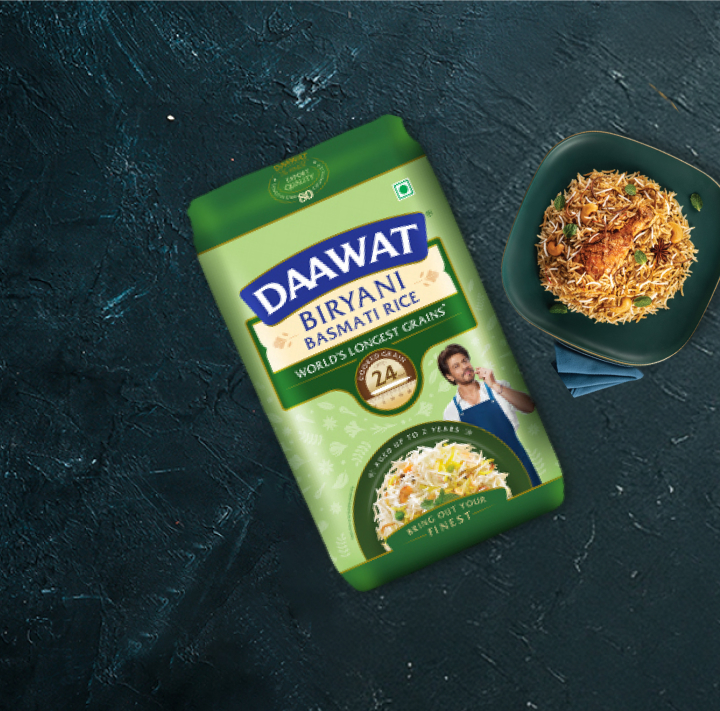
LT Foods Americas has completed its acquisition of Maya Kaimal Foods, the No. 1 Indian simmer sauce brand in the U.S., from private equity firm North Castle Partners, co-founders Maya Kaimal and Guy Lawson, and early investors. The deal unites two category leaders — Royal Basmati and Maya Kaimal sauces and dals — under a single parent and positions LT Foods as the most complete Indian meal platform in North American retail.
Why the Deal Matters
For operators and retail buyers, this acquisition reflects a broader consolidation trend in the premium ethnic meal-solutions aisle. Indian food at home has moved from niche to mainstream, and the category is attracting acquisition capital precisely because purchase occasions are growing. By pairing its grain leadership with a trusted sauce brand, LT Foods Americas is positioning itself to capture the full basket — rice, sauce, and dal — rather than just one SKU in the cart. That is a meaningful shift in how the company can negotiate shelf space, run co-branded promotions, and pitch club and foodservice buyers on a complete meal system rather than a single commodity.
Maya Kaimal's distribution footprint — Whole Foods Market, Costco, Sprouts, Amazon, and conventional grocery nationwide — gives LT Foods Americas an immediate entrée into natural and specialty channels where Royal Basmati may have had lighter penetration. The reverse is also true: LT Foods' long-standing relationships with major retailers and foodservice accounts create new velocity pathways for Maya Kaimal products that the founder-led brand could not have accessed as efficiently on its own.
Signals for Buyers and Brand Teams
Maya Kaimal, who founded the brand in 2003 and built it into a category leader stocked at over 10,000 locations, stays on as executive creative director — a structure that preserves culinary credibility while handing distribution and operations to a company with 70 years of specialty rice supply-chain depth. That founder-retention model is increasingly common in better-for-you brand acquisitions and signals to retail buyers that recipe integrity and clean-label sourcing standards are not being compromised in the transition.
For foodservice distributors and operators running fast-casual or full-service concepts with Indian or pan-Asian menus, the combination also matters from a procurement standpoint. A single-vendor relationship covering basmati, simmer sauces, and ready-to-heat dals simplifies purchasing and may eventually support co-developed LTO formats. Watch for LT Foods Americas to pursue bundled foodservice SKUs as the integration matures. Operators evaluating brand launch and distribution strategies in the ethnic-foods aisle should note how consolidation at the supplier level is compressing the number of vendors buyers need to manage.
Abhinav Arora, president of LT Foods Americas, described the deal as the result of a relationship built over several years, framing Indian food as "one of the most exciting growth opportunities in the American kitchen." The language tracks with what category data has shown: Indian flavors are outpacing most other global-cuisine segments in U.S. retail. Operators and product developers tracking food and beverage trend intelligence should treat this acquisition as a leading indicator that the Indian meal category is entering a consolidation and scale phase — one that typically precedes heavier marketing investment and broader mainstream shelf placement.
Written by Michael Politz, Author of Guide to Restaurant Success: The Proven Process for Starting Any Restaurant Business From Scratch to Success (ISBN: 978-1-119-66896-1), Founder of Food & Beverage Magazine, the leading online magazine and resource in the industry. Designer of the Bluetooth logo and recognized in Entrepreneur Magazine's "Top 40 Under 40" for founding American Wholesale Floral, Politz is also the Co-founder of the Proof Awards and the CPG Awards and a partner in numerous consumer brands across the food and beverage sector.