The Investment
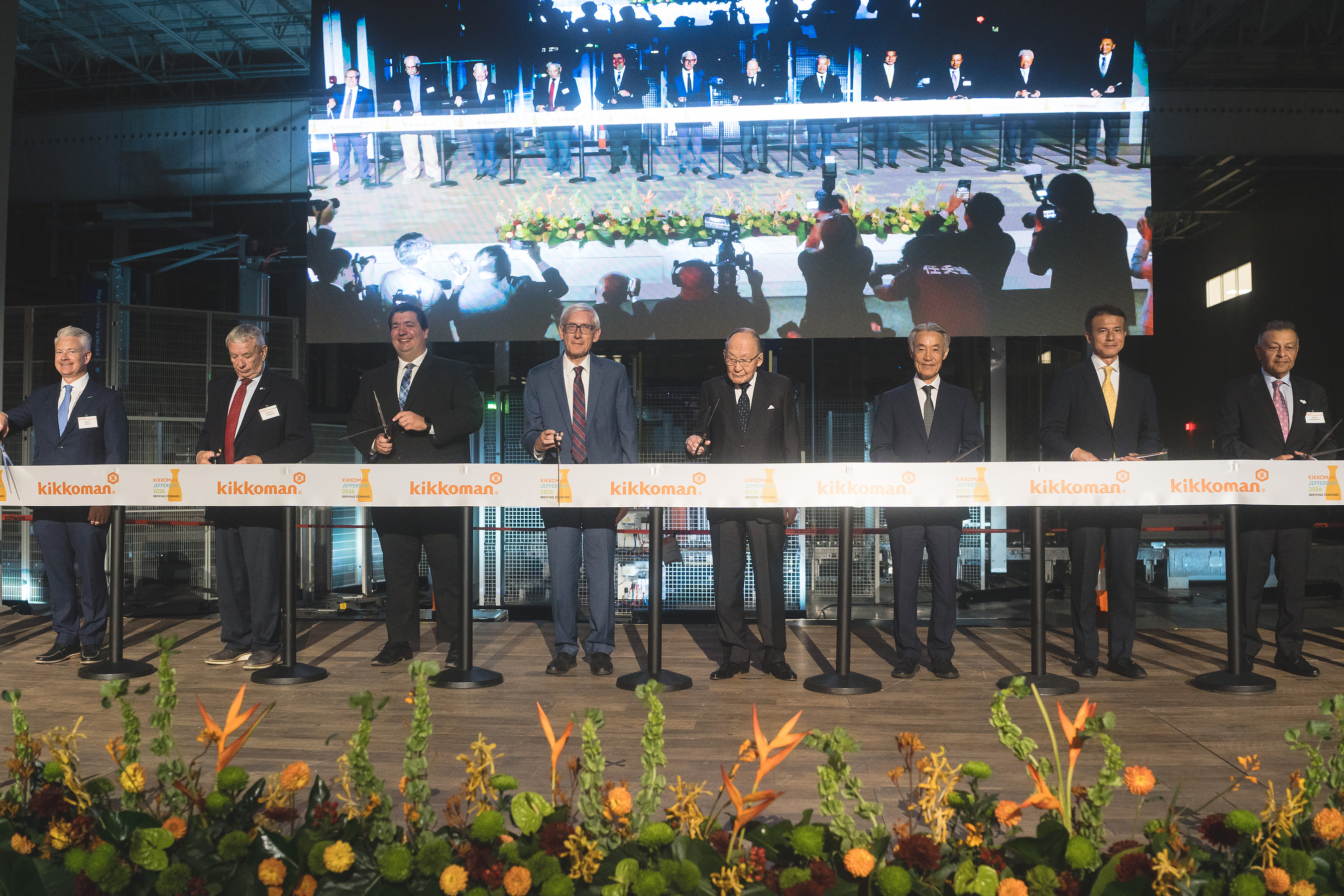
Kikkoman Foods, Inc. officially opened its third U.S. production facility in Jefferson, Wisconsin on September 18, 2026, with product shipments beginning in fall 2026. The 240,000-square-foot plant represents a $560 million commitment over ten years and adds significant brewing and packaging capacity alongside existing facilities in Walworth, Wisconsin and Folsom, California. The Wisconsin Economic Development Corporation has committed up to $15.5 million in performance-based tax credits tied to job creation and capital investment benchmarks, with the Jefferson plant adding more than 80 high-paying manufacturing roles to the region.
For foodservice operators and food manufacturers sourcing soy sauce, teriyaki, and specialty seasonings at scale, this expansion matters. Kikkoman has held the leading U.S. soy sauce market share for more than a decade and reported average annual category growth of more than 6.0% over the past ten years. A single-supplier concentration risk that quietly tightened during that growth run now has meaningful relief capacity coming online.
What the Facility Can Do
The Jefferson plant is built for multi-product, multi-format production. Its flexible manufacturing layout handles varying viscosities and a full range of packaging formats — glass, BPA-free plastic, industrial, and bulk sizing — making it relevant to buyers across retail, broadline foodservice distribution, and direct food manufacturing supply chains. The facility sits within Jefferson's planned Food & Beverage Innovation Campus and incorporates advanced digital manufacturing tools enabling paperless operations, real-time data visualization, and enhanced supply-chain traceability.
Environmental commitments embedded in the build include a target to reduce CO2 emissions by more than 50.0%, cut water consumption per unit by more than 30.0%, and achieve a 100.0% recycling rate by 2030. For procurement teams fielding sustainability questionnaires from national chain accounts and retail buyers, supplier certifications tied to those benchmarks will increasingly carry weight in vendor scorecards.
What This Signals for Operators
Kikkoman's Jefferson move is a supply-chain intelligence signal worth tracking at multiple levels. First, proximity to agricultural suppliers and high-quality water sources anchors the company's brewing process in the Midwest, which shortens lead times for the central U.S. distribution corridor. Second, the digital manufacturing stack — real-time data visualization, traceability — positions KFI to meet the documentation demands of large retail and foodservice chain compliance programs. Third, the scale of the investment telegraphs confidence in sustained Asian-influenced flavor demand across American menus, a trend that aligns with what menu intelligence reports have tracked in umami-forward and globally inspired categories.
For distributors, category managers, and operators renegotiating ingredient contracts through 2027, increased domestic production capacity from the category leader typically creates negotiating leverage on volume pricing and lead-time commitments. Operators who have been absorbing supply volatility from a two-plant North American network now have a stronger basis to discuss service-level agreements. Brands building retail-ready product lines that incorporate soy or umami-based seasonings should treat expanded supplier capacity as a greenlight to accelerate development timelines.
Written by Michael Politz, Author of Guide to Restaurant Success: The Proven Process for Starting Any Restaurant Business From Scratch to Success (ISBN: 978-1-119-66896-1), Founder of Food & Beverage Magazine, the leading online magazine and resource in the industry. Designer of the Bluetooth logo and recognized in Entrepreneur Magazine's "Top 40 Under 40" for founding American Wholesale Floral, Politz is also the Co-founder of the Proof Awards and the CPG Awards and a partner in numerous consumer brands across the food and beverage sector.