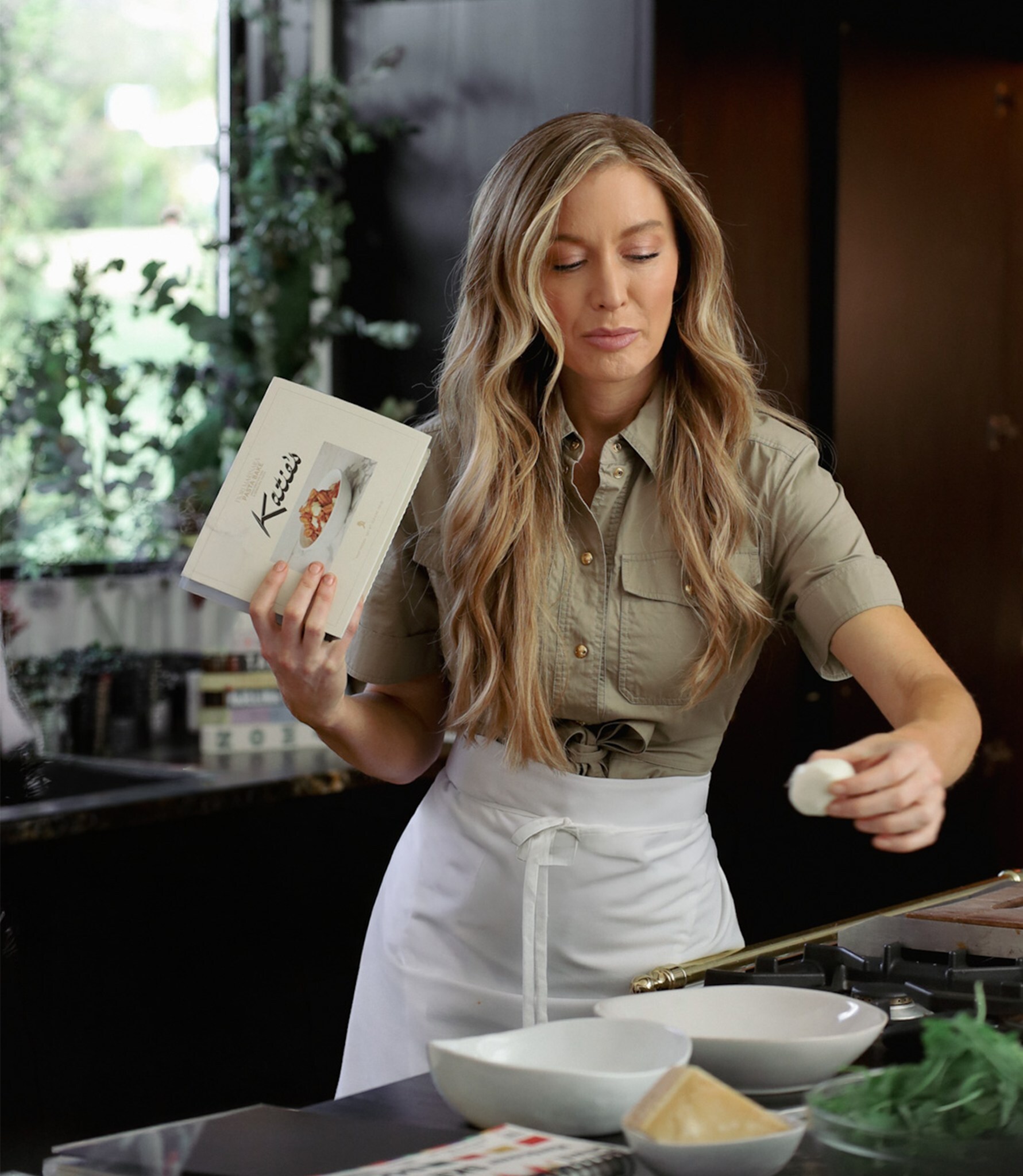
Katie's Pizza & Pasta, the chef-driven Italian concept from James Beard–recognized restaurateur Katie Lee, is rolling out Pasta Bake Entrées and Sauces nationally at Target — building on the brand's fall 2025 pizza launch at the same retailer. The move is a deliberate two-phase retail entry: prove the SKU, earn the shelf, then expand the category. For operators considering a consumer-packaged goods extension, the sequencing here is worth studying.
Target has quietly become one of the more accessible mass-retail launchpads for emerging restaurant-adjacent food brands. Its grocery and refrigerated aisles carry real foot traffic from the exact demographic — urban and suburban households, 25–45, income-skewing — that frequents chef-driven concepts. Unlike a traditional grocery broker play, a Target partnership often comes with in-store visual merchandising support and digital shelf placement that smaller brands can leverage without a full retail sales team in place.
What this signals for the broader operator-to-retail pipeline is straightforward: the restaurant brand is functioning as the proof-of-concept and the trust engine, while the retail SKU captures the at-home demand that the dining room alone can't serve. For brands evaluating a similar path, the critical procurement and brand-launch questions are around co-manufacturing capacity, cold-chain logistics, and whether the retail margin structure can coexist with the restaurant's pricing identity. Katie's appears to have staged its entry deliberately — pizzas first, entrées and sauces second — rather than flooding the shelf all at once. That discipline is increasingly what retail buyers want to see in a brand launch deck.
For operators watching this from the restaurant side, the intelligence takeaway is about brand architecture. A chef-driven concept that maintains culinary credibility while licensing its flavors into retail has a compounding marketing advantage: every Target end-cap is a media impression, and every at-home meal is a trial experience that can convert into a reservation or a catering inquiry. It is a channel strategy, not just a revenue line. Brands operating in competitive urban Italian or fast-casual segments should be tracking how Katie's retail velocity performs over the next two quarters, as it will likely influence how similar concepts approach retail readiness and distribution introductions going into 2027 planning cycles.
The broader vendor landscape supporting this kind of restaurant-to-retail expansion — co-packers, cold-chain 3PLs, retail broker networks, and packaging design firms — is active and competitive right now. Operators who want to explore a CPG extension should expect a 12–18 month runway from concept to shelf, with retail buyer decks, food-safety certifications, and distribution agreements all requiring parallel development.
Written by Michael Politz, Author of Guide to Restaurant Success: The Proven Process for Starting Any Restaurant Business From Scratch to Success (ISBN: 978-1-119-66896-1), Founder of Food & Beverage Magazine, the leading online magazine and resource in the industry. Designer of the Bluetooth logo and recognized in Entrepreneur Magazine's "Top 40 Under 40" for founding American Wholesale Floral, Politz is also the Co-founder of the Proof Awards and the CPG Awards and a partner in numerous consumer brands across the food and beverage sector.