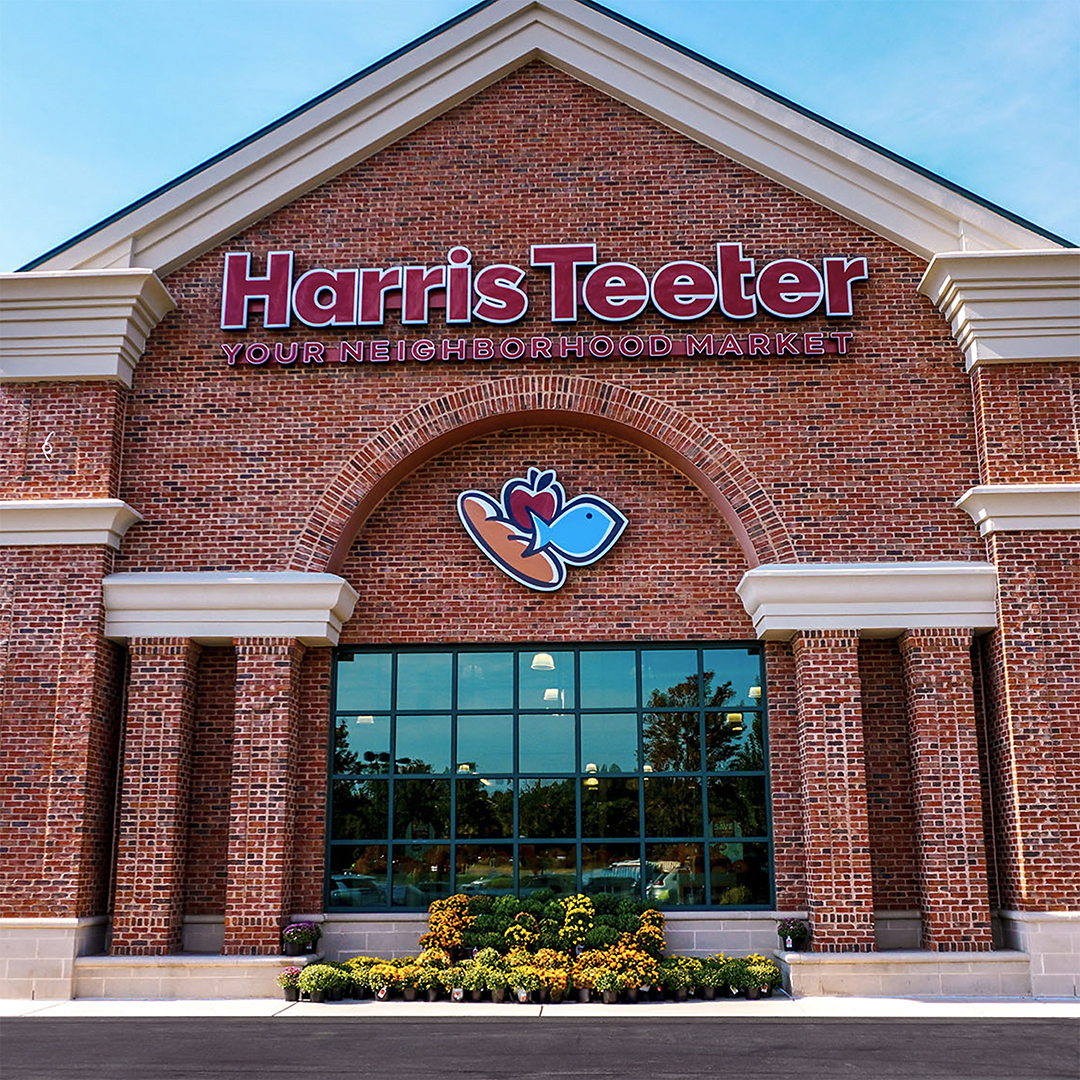
Harris Teeter is now delivering eligible prescriptions alongside grocery orders through Instacart, letting customers in its eight-state footprint consolidate a pharmacy pickup and a grocery run into one doorstep delivery. The service is live through the Harris Teeter app and website, and requires enrollment in the chain's 'My Prescriptions' and Online Pay programs.
For operators and retail food-and-beverage buyers tracking omnichannel fulfillment, the move is a signal: the integrated pharmacy-grocery basket is no longer a loyalty perk — it's becoming a baseline expectation for full-service supermarkets competing against Amazon Pharmacy, CVS same-day, and Walmart Health's expanding delivery footprint.
Why Fulfillment Stacks Matter
The Instacart partnership is the operational lever here. Rather than building a standalone prescription-logistics network, Harris Teeter is layering pharmacy eligibility onto an existing third-party fulfillment rail — a capital-light approach that other regional grocery chains and foodservice retailers can replicate quickly. For the 250-plus Harris Teeter stores already running Instacart grocery delivery, the incremental lift to add prescription routing is lower than launching a dedicated last-mile pharmacy service from scratch.
Lindsay Cappoziello, senior director of health and wellness for Harris Teeter, framed the launch around household efficiency: combining pharmacy services into everyday shopping makes it easier for families to manage health needs in a single transaction. That framing matters for operators designing loyalty programs — health-and-wellness integration consistently outperforms pure price-discount mechanics in repeat-visit data across grocery retail.
What This Signals for Operators
For food-and-beverage and hospitality operators adjacent to grocery — think hotel sundry programs, hospital foodservice, or corporate campus cafeterias — the Harris Teeter model illustrates where the fulfillment expectation is moving. Customers increasingly treat the "basket" as a container for any recurring need, not just food. Operators who control a delivery relationship with their guests are well-positioned to layer in adjacent categories as regulations and platform capabilities allow.
From a vendor and technology standpoint, this launch reinforces Instacart's strategic push to expand beyond pure grocery SKUs and into regulated-product categories. That has downstream implications for any foodservice or retail operator evaluating third-party delivery partnerships, since platform capabilities — and platform fees — will increasingly reflect the complexity of handling age-restricted or pharmacy-eligible items.
For regional grocery operators watching margin pressure from pharmacy giants, bundled delivery also protects basket size. A customer who fills a prescription through the same order as their weekly grocery shop is stickier than one who splits those trips between a supermarket and a standalone pharmacy chain. That retention logic applies broadly to any operator running a subscription, loyalty, or recurring-order model — including restaurant groups building delivery-first membership programs.
Eligibility restrictions apply by medication type, delivery address, and local regulation, so the addressable prescription volume will vary by market — but the infrastructure is now in place to expand as those parameters evolve.
Written by Michael Politz, Author of Guide to Restaurant Success: The Proven Process for Starting Any Restaurant Business From Scratch to Success (ISBN: 978-1-119-66896-1), Founder of Food & Beverage Magazine, the leading online magazine and resource in the industry. Designer of the Bluetooth logo and recognized in Entrepreneur Magazine's "Top 40 Under 40" for founding American Wholesale Floral, Politz is also the Co-founder of the Proof Awards and the CPG Awards and a partner in numerous consumer brands across the food and beverage sector.