A South Korean food manufacturer is turning three years of ingredient-intensive R&D into a patented production platform for rice-based noodles — and signaling that it wants to talk directly with buyers.
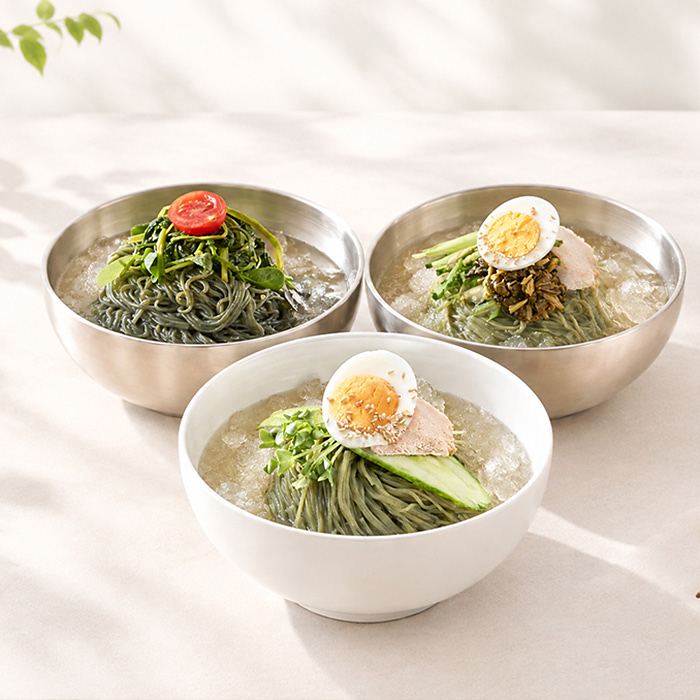
HanAll F&B Farming Association Corporation (hanallfnb), based in Taebaek, Gangwon Province, filed a patent application in June 2026 for a rice noodle manufacturing method designed to reduce dependence on specific rice varieties and improve noodle separability. The company consumed approximately 6 tons of rice flour over three years to develop and validate the method. The patent is positioned not as a finished product but as a technical foundation for a broader line that would include rice pasta and rice naengmyeon (Korean cold noodles).
The Core Technical Problem
The challenge hanallfnb set out to solve is meaningful for any manufacturer or buyer sourcing grain-based noodles: when domestic rice content climbs to 50% or higher, the range of usable varieties narrows sharply, creating supply chain concentration risk. Most rice noodle production globally relies on varieties with specific starch profiles, making regional or seasonal sourcing substitutions difficult without degrading texture and separability. HanAll's research focused on relaxing those constraints, which — if the technology performs at commercial scale — would allow manufacturers to source from a wider pool of regional growers rather than depending on a single variety.
For foodservice operators and retail buyers evaluating gluten-free, grain-forward, or Korean-inspired SKUs, that supply flexibility is operationally significant. Ingredient-source concentration is a recurring procurement vulnerability, and a manufacturing method that decouples noodle quality from a single variety addresses that exposure at the supplier level.
What Operators and Buyers Should Watch
HanAll is explicitly positioning this patent as a platform play, not a single-product launch. The planned expansion into rice pasta and rice naengmyeon reflects an attempt to serve different cooking contexts — from hot applications to cold Korean noodle dishes — within a single ingredient and manufacturing framework. That range matters for foodservice distributors and retail buyers who want category depth from a single supplier relationship.
The company's stated intention to engage directly with domestic and international buyers to gauge demand is worth noting for procurement teams. HanAll is at an early commercial stage, which means buyers who enter conversations now may have more influence over product specs, packaging formats, and minimum order structures than they would with an established supplier. Operators sourcing for Asian-category menus, health-forward meal programs, or gluten-alternative pasta applications should treat this as an early-stage supplier intelligence signal rather than an immediately actionable procurement decision.
The Gangwon Province location also connects to a broader South Korean agri-food push to valorize regional agricultural products through processed goods — a policy-backed trend that often comes with favorable export support for companies reaching international buyers. Foodservice procurement teams and specialty distributors tracking Korean food trends, which continue to accelerate across North American and European foodservice channels, should monitor how quickly hanallfnb converts this patent into commercially available SKUs.
For a fuller picture of ingredient sourcing trends shaping operator menus, see our coverage on grain-based alternative ingredients in foodservice and Korean food trend reports for operators.
Written by Michael Politz, Author of Guide to Restaurant Success: The Proven Process for Starting Any Restaurant Business From Scratch to Success (ISBN: 978-1-119-66896-1), Founder of Food & Beverage Magazine, the leading online magazine and resource in the industry. Designer of the Bluetooth logo and recognized in Entrepreneur Magazine's "Top 40 Under 40" for founding American Wholesale Floral, Politz is also the Co-founder of the Proof Awards and the CPG Awards and a partner in numerous consumer brands across the food and beverage sector.