New York's Genesis House has relaunched its second-floor restaurant under a formal operating partnership with Hand Hospitality and introduced Seoul's Bar Cham as its exclusive beverage collaborator — marking the acclaimed cocktail bar's first official restaurant partnership outside Korea. The move signals how brand-owned hospitality venues are maturing their food and beverage programs by bringing in specialist operators rather than building culinary teams in-house.
The Operator Model
Hand Hospitality, founded by Kihyun Lee in New York City in 2011, brings a deep bench of Korean and Japanese dining concepts — Jua, Cho Dang Gol, Her Name Is Han, and several others — to the partnership. That portfolio depth is the point: Genesis House gets credentialed kitchen leadership and hospitality infrastructure without carrying the full operational risk of a standalone restaurant group. For operators and consultants watching how auto brands, luxury retailers, and lifestyle companies enter the hospitality lane, this structure — brand owns the space, specialist runs the program — is becoming a repeatable playbook.
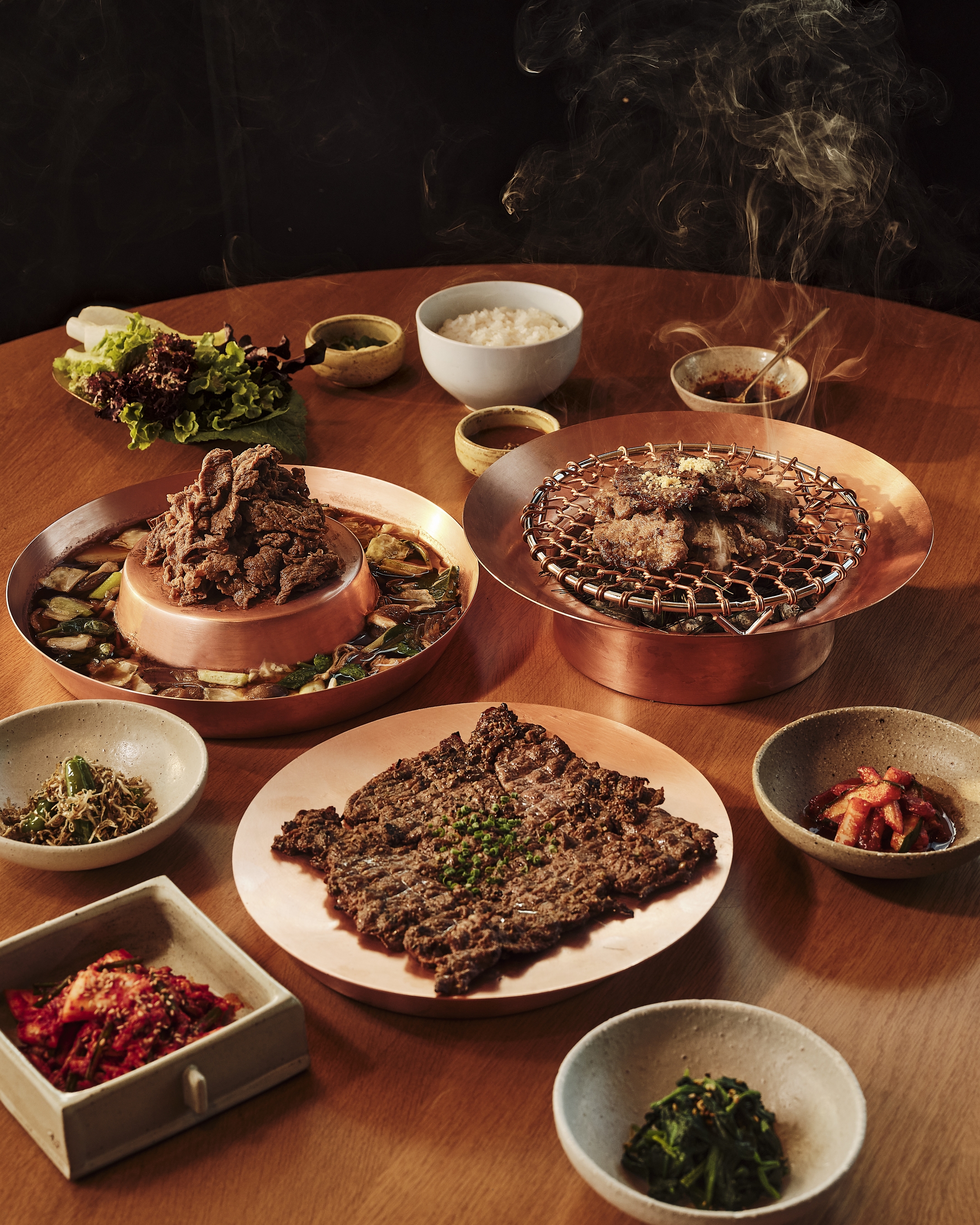
The menu anchors on a three-expression bulgogi program representing Seoul, Eonyang, and Gwangyang, each reflecting distinct regional preparation traditions. Supporting dishes include seafood jeon, yukhwe, Korean fried chicken, and bingsoo. The emphasis on regional provenance and sharing formats tracks with broader fine-casual Korean dining trends in major U.S. markets, where operators are moving away from generic pan-Asian positioning toward cuisine that names specific regions and techniques.
Bar Cham's U.S. Entry
Bar Cham, founded in 2018 in Seoul's Seochon neighborhood, ranked No. 33 on Asia's 50 Best Bars 2026 and No. 71 on World's 50 Best Bars 2026. Its cocktail menu at Genesis House draws on six distinct regions of the South Korean peninsula, with drinks like the Songpyeon — combining Pungjeong Sagye Winter Soju 42, chestnut makgeolli, lemon, ginger, cinnamon, and chocolate — and the Cham Negroni, built on roasted Solomon's seal, soju infused with dried mandarin peel, vermouth, and Campari. Co-owner and bartender Byungjin Lim framed the partnership as an extension of Bar Cham's core identity: each cocktail tied to a specific region, season, or historical reference point.
For beverage directors and spirits suppliers paying attention, the Bar Cham model illustrates how internationally ranked bar programs can enter the U.S. market through a single high-visibility restaurant residency rather than a standalone brick-and-mortar investment. The exclusivity structure — one partner venue, defined geography — reduces execution risk while generating significant press lift.
What Operators Should Watch
The Genesis House structure is worth benchmarking for any operator evaluating management agreements, culinary partnerships, or beverage collaborations. Brand-backed venues with strong design infrastructure but limited F&B expertise are increasingly attractive partners for hospitality groups that bring concept credibility. Meanwhile, the soju and makgeolli category is gaining real menu traction in premium U.S. on-premise accounts — Bar Cham's arrival adds a high-profile reference point for spirits buyers and bar managers considering Korean spirits programs.
Reservations for daytime tea and dinner are available via Resy, with lunch service timing to be announced.
For more on Korean dining and beverage trends shaping premium U.S. menus, see our coverage in Operator Intelligence and on international bar programs entering domestic markets in Brand Launch.
Written by Michael Politz, Author of Guide to Restaurant Success: The Proven Process for Starting Any Restaurant Business From Scratch to Success (ISBN: 978-1-119-66896-1), Founder of Food & Beverage Magazine, the leading online magazine and resource in the industry. Designer of the Bluetooth logo and recognized in Entrepreneur Magazine's "Top 40 Under 40" for founding American Wholesale Floral, Politz is also the Co-founder of the Proof Awards and the CPG Awards and a partner in numerous consumer brands across the food and beverage sector.