The Deal
Freddy's Frozen Custard & Steakburgers has signed a five-unit development agreement with OMG Holdings OPC to bring the brand to the Philippines — its first franchise deal in Southeast Asia. The first restaurant is expected to open in 2027, with the full slate of units to follow under terms of the multi-unit development schedule. For operators and franchisors tracking international expansion pipelines, this signals that U.S. fast-casual brands are actively prioritizing Asia as a near-term growth theatre, not a long-range aspiration.
Why This Market, Why Now
The Philippines checks several boxes that make it attractive to U.S. franchise systems: a young, English-literate consumer base, a well-established mall-anchored QSR culture, and a growing middle class with demonstrated appetite for American food brands. Andrew Thengvall, Chief Development Officer of Freddy's, framed the operator selection criteria clearly — the brand is prioritizing franchisees with proven track records scaling international concepts locally, not just capital commitments. That filtering approach matters because Southeast Asian franchise failures have historically traced back to operators underestimating localization demands.
Freddy's currently operates more than 580 locations across the U.S. and Canada, with active franchisee recruitment underway in the U.S., Canada, and Mexico. The Philippines agreement extends that geographic ambition into a new region entirely. With Asia named as a priority heading into 2027, the brand appears to be treating this five-unit deal as a beachhead rather than a standalone transaction — the kind of proof-of-concept footprint that precedes broader regional licensing conversations.
What This Signals for Operators and Vendors
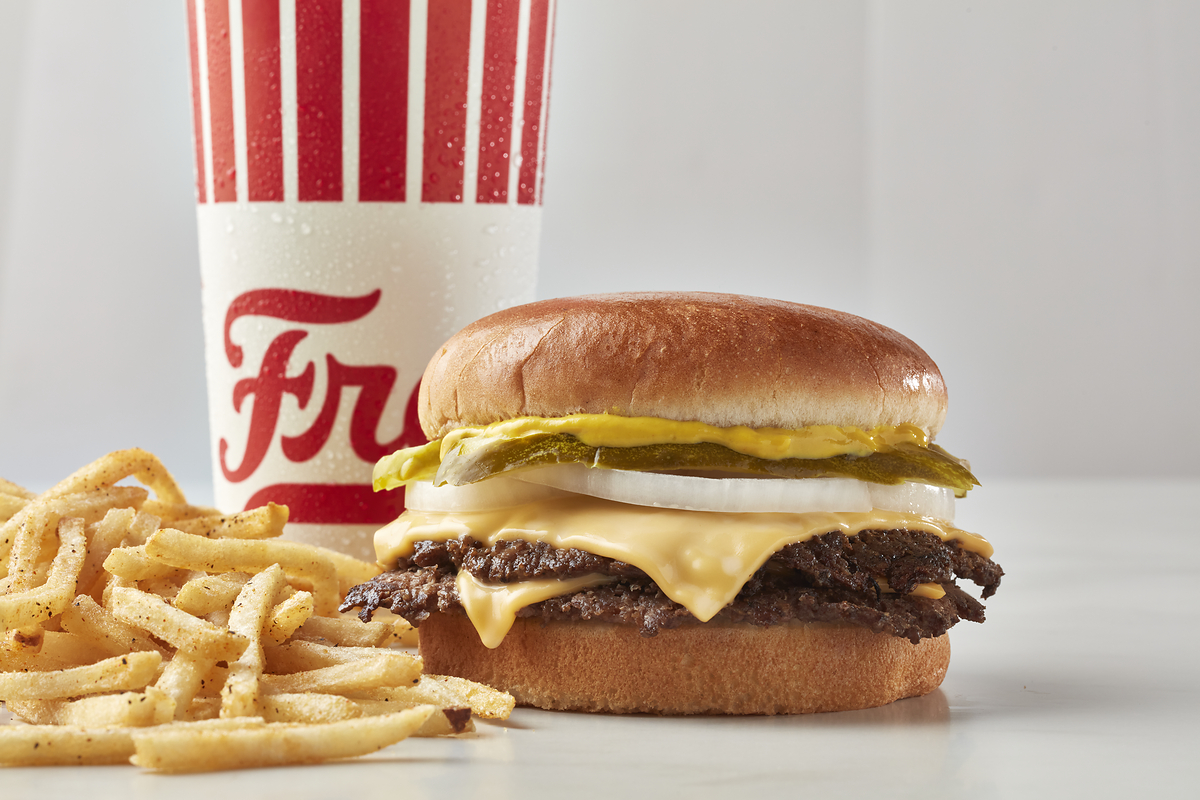
For foodservice suppliers, packaging partners, and equipment vendors already operating in Southeast Asia, a Freddy's launch in the Philippines creates an early-stage procurement opportunity. The brand's core menu — cooked-to-order steakburgers, shoestring fries, and freshly churned frozen custard — requires reliable cold-chain infrastructure and specific custard equipment, which will need to be sourced or adapted for the local market. Vendors with existing Philippine distributor relationships are better positioned than those trying to enter the region simultaneously with the brand.
For multi-unit operators evaluating international development, Freddy's move reinforces a broader trend: U.S. fast-casual concepts that built density domestically during 2020–2024 are now looking outward for their next unit-count inflection. Brands executing similar international pivots have found that franchisee quality and local market infrastructure matter more than consumer brand awareness at entry. That calculus should inform how regional operators in emerging markets position themselves when fielding inbound interest from U.S. franchise development teams.
For franchise development consultants and brokers, the Freddy's deal is a useful comp: a 580-plus-unit system entering a new continent via a single-market, five-unit agreement with one vetted operator. It's a disciplined entry model that limits brand risk while establishing a testable proof of concept. Operators building their own brand-launch strategies can apply similar logic — anchor to one strong regional partner before scaling licensing geographically.
Written by Michael Politz, Author of Guide to Restaurant Success: The Proven Process for Starting Any Restaurant Business From Scratch to Success (ISBN: 978-1-119-66896-1), Founder of Food & Beverage Magazine, the leading online magazine and resource in the industry. Designer of the Bluetooth logo and recognized in Entrepreneur Magazine's "Top 40 Under 40" for founding American Wholesale Floral, Politz is also the Co-founder of the Proof Awards and the CPG Awards and a partner in numerous consumer brands across the food and beverage sector.