The Launch Move
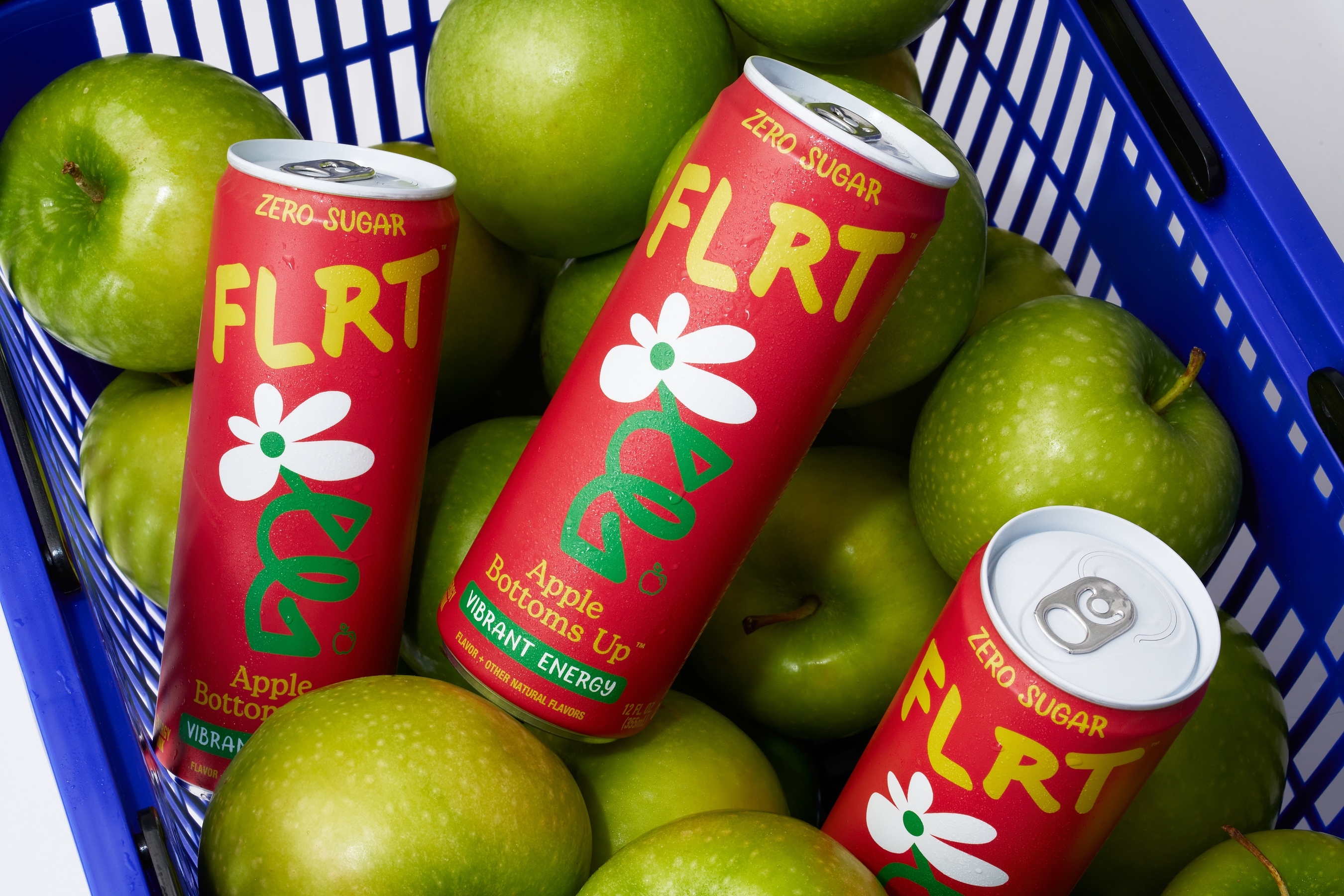
FLRT, the zero-sugar functional energy drink that launched earlier this year, is releasing its first seasonal SKU — Apple Bottoms Up — with a staged retail rollout that gives operators and buyers a clear window into how emerging beverage brands are sequencing their distribution strategies. Kroger gets a two-week exclusive sneak peek beginning August 19, followed by a September 1 nationwide push into Walmart, Albertsons, Hy-Vee, H-E-B, Meijer, and Amazon.
The limited-edition, 12-oz. can is built on the same functional stack as FLRT's four core SKUs — 200 mg of caffeine from green tea and guayusa, ginseng, biotin, zinc, and vitamins A, B, and C — with a green apple flavor profile that skews seasonal without requiring a reformulation. Amazon will also carry 12-can multipacks, which opens a direct-to-consumer data channel alongside the brick-and-mortar footprint.
Why the Sequencing Matters
For buyers and category managers, the Kroger-first window is a deliberate velocity test before broader placement. It is a pattern that better-capitalized emerging brands are increasingly using: secure a limited regional exclusive to generate early scan data, then use that proof point to justify end-cap or incremental shelf space at mass and regional chains. Allison Erfort, VP of FLRT, framed the drop as the first of more to come: "This is our first flavor drop since launch, but it won't be our last."
The zero-sugar energy segment continues to attract challenger brands looking to take share from established players, and seasonal limited editions have become a reliable lever for earning short-term placement and trial without committing to a permanent SKU. For c-store and grocery buyers evaluating the category, limited-edition velocity numbers from a six-banner simultaneous launch will be worth tracking — underperforming LTOs get delisted quickly at chains of this scale, while breakout performers often convert to permanent roster spots.
Signals for Emerging Brand Operators
For brands earlier in the distribution curve, the FLRT rollout illustrates a few structural realities. A tiered launch — anchor retailer first, mass rollout second — compresses risk while generating legitimate sell-in data. Pairing Amazon multipacks with in-store singles gives the brand DTC margin headroom and a second consumer touchpoint for repeat purchase. And a seasonal flavor that aligns with fall programming (endcap themes, digital circulars, social content) reduces the marketing lift required to generate awareness at the shelf level.
Functional energy is one of the few beverage segments where both ingredient transparency and flavor novelty are purchase drivers simultaneously. Brands competing here need both a clean, legible benefits story — FLRT's collagen and immunity angle does measurable work on-pack — and a flavor innovation calendar that keeps the brand in conversation at retail. A single LTO per season is a modest but executable cadence for a brand in its first year.
Operators and buyers sourcing the functional energy category for hospitality, convenience, or specialty retail channels should note the six-retailer footprint as a signal of FLRT's distribution infrastructure and investor backing, even if financials were not disclosed. Coverage of how functional beverage brands are building retail readiness and how buyers are evaluating emerging energy SKUs continues to develop across the F&B Department network.
Written by Michael Politz, Author of Guide to Restaurant Success: The Proven Process for Starting Any Restaurant Business From Scratch to Success (ISBN: 978-1-119-66896-1), Founder of Food & Beverage Magazine, the leading online magazine and resource in the industry. Designer of the Bluetooth logo and recognized in Entrepreneur Magazine's "Top 40 Under 40" for founding American Wholesale Floral, Politz is also the Co-founder of the Proof Awards and the CPG Awards and a partner in numerous consumer brands across the food and beverage sector.