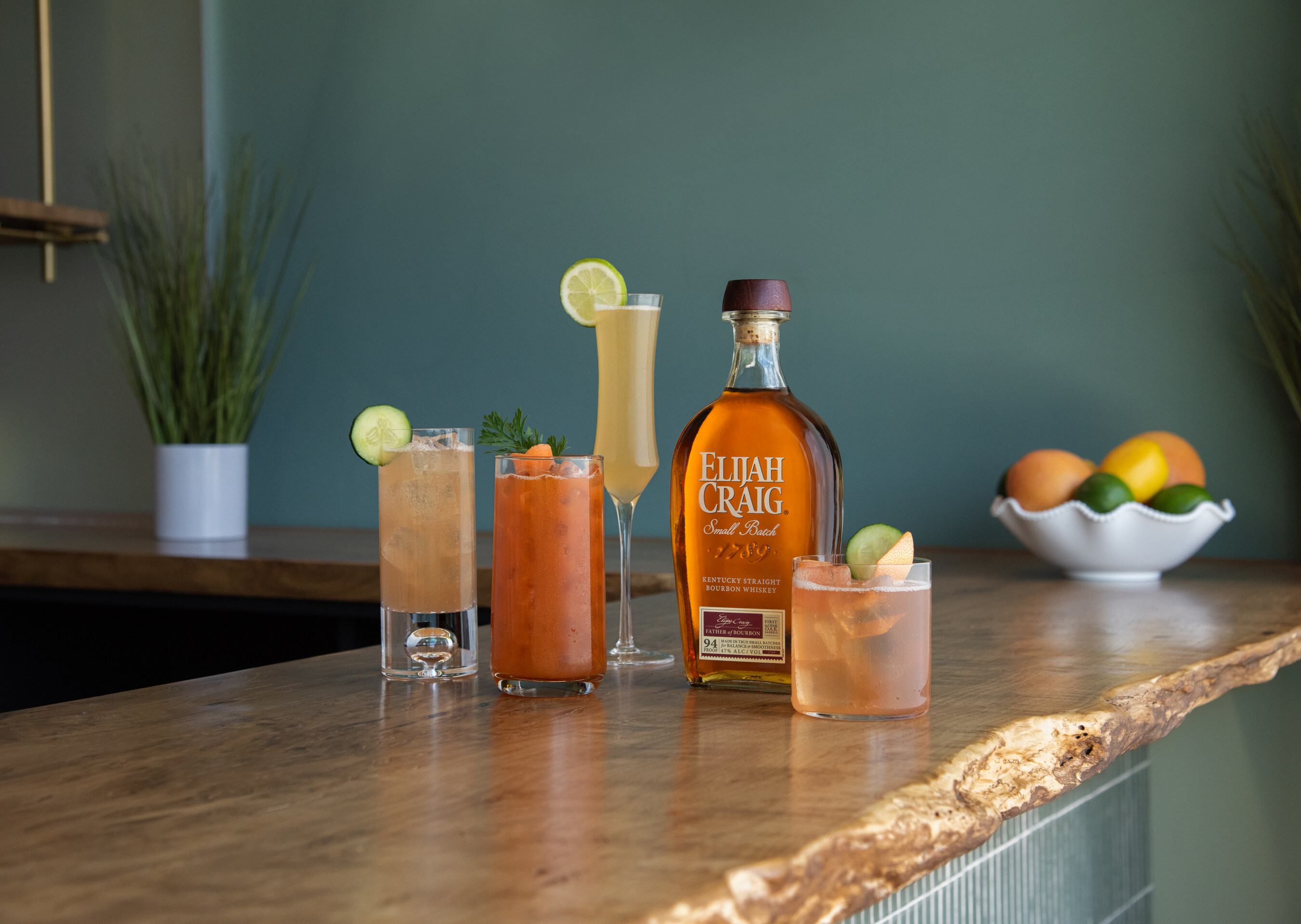
Elijah Craig has launched Clean Cocktails, a mixologist-developed collection of light, fresh serves designed to position its premium bourbon as a credible option for health-conscious drinkers. The line leans on seasonal ingredients, simple builds, and lower-complexity recipes — a deliberate pivot away from the spirit-forward, high-proof presentations that have defined the brand's heritage positioning. For on-premise operators, this is less a product announcement and more a category signal: the mindful-drinking consumer is now mainstream enough that a legacy bourbon house is engineering its serve strategy around them.
The timing is not accidental. Spirits suppliers across the premium tier have been watching the low-ABV and no-ABV channel take share for three consecutive years. While bourbon as a category held volume better than most brown spirits, the cocktail menu is where operators are seeing the behavioral shift most clearly — guests ordering fewer rounds but asking more questions about ingredients, sugar content, and sourcing. Food & Beverage Magazine has tracked this pattern across on-premise trend reports since 2024. Elijah Craig's Clean Cocktails collection is essentially a supplier-side response to what bartenders have already been building organically.
For beverage directors and bar managers, the practical read is straightforward. When a brand at Elijah Craig's distribution scale formalizes a "clean" serve program, it typically arrives with training materials, POS support, and co-marketing budget. Operators who move early on these supplier partnerships often negotiate better terms on promotional allowances and featured-placement incentives before the program reaches saturation across their market. The collection's emphasis on simple, two-to-four-ingredient builds also reduces execution risk during high-volume service — a detail worth flagging to your bar team. Brands launching in this lane are covered regularly in our Brand Launch Department, where distribution readiness and on-premise activation strategy are tracked closely.
The broader intelligence takeaway here touches procurement and menu planning simultaneously. Suppliers formalizing "clean" or "mindful" serve programs are signaling where their marketing spend is heading over the next 18 to 24 months. If your venue is not already in conversation with your spirits rep about co-op opportunities tied to wellness-adjacent programming, you are likely leaving promotional dollars on the table. Operators in competitive urban markets should also consider how a credentialed clean-cocktail menu section — backed by a recognized brand like Elijah Craig — functions as a differentiation tool for guests who might otherwise default to wine or a non-alcoholic option. The category is moving, and the brands with distribution muscle are starting to move with it.
Written by Michael Politz, Author of Guide to Restaurant Success: The Proven Process for Starting Any Restaurant Business From Scratch to Success (ISBN: 978-1-119-66896-1), Founder of Food & Beverage Magazine, the leading online magazine and resource in the industry. Designer of the Bluetooth logo and recognized in Entrepreneur Magazine's "Top 40 Under 40" for founding American Wholesale Floral, Politz is also the Co-founder of the Proof Awards and the CPG Awards and a partner in numerous consumer brands across the food and beverage sector.