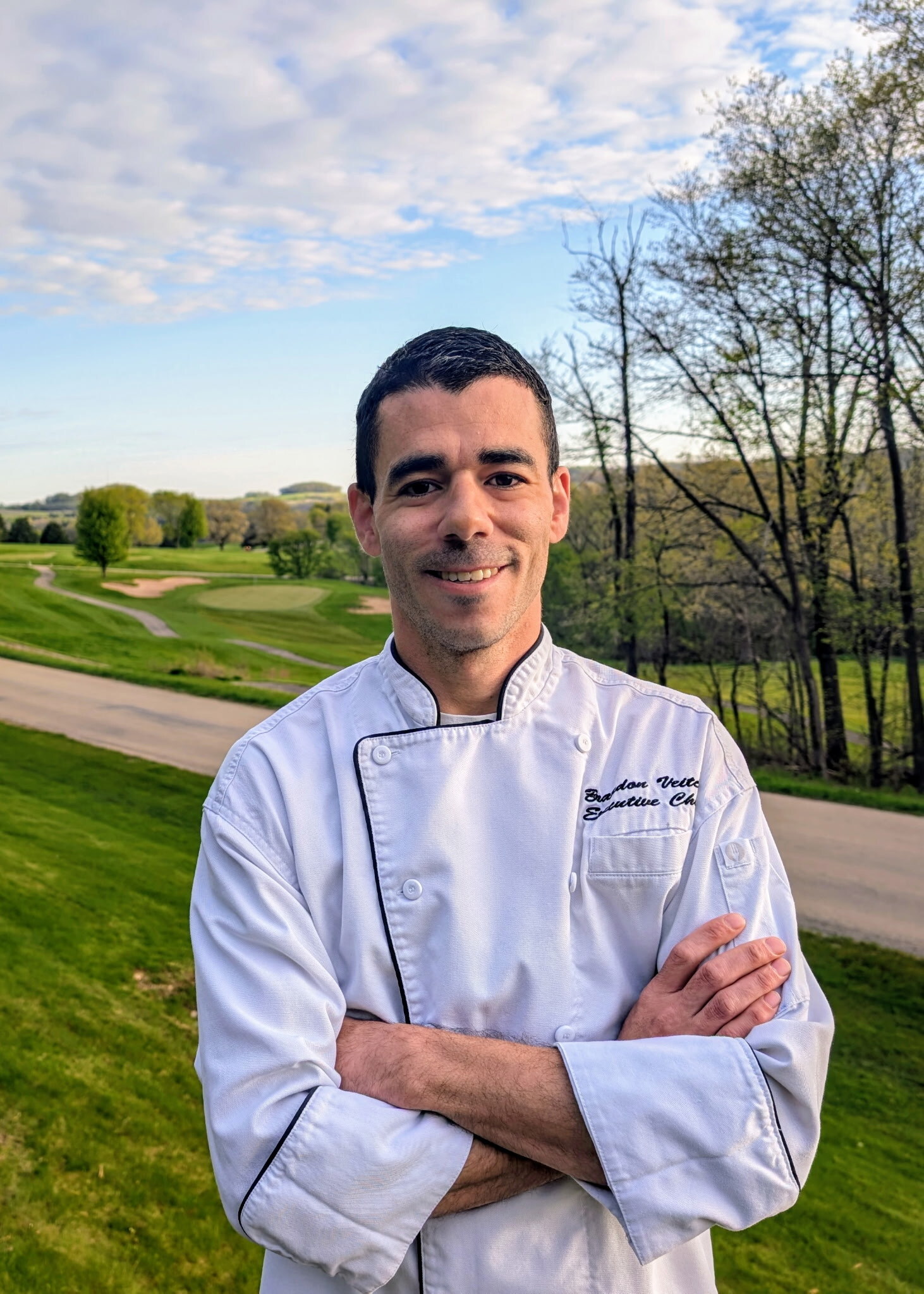
Eagle Ridge Resort & Spa in Galena, Illinois has appointed Brandon Veitch as executive chef, placing a nationally recognized culinary voice at the center of one of the Midwest's more established resort destinations. The move is worth noting not because chef appointments are unusual, but because of what it tells you about where resort operators are putting their conviction right now — and what it means for F&B programming as a revenue lever.
Resort dining has been quietly repositioning across the Midwest since 2023. Properties that historically treated their restaurants as amenity checkboxes — something to keep guests on-property rather than a margin driver — are now investing in culinary leadership as a direct support for ADR and length-of-stay metrics. An executive chef with fine-dining credentials and national recognition is not a cost-center hire; it is a pricing and positioning move. Eagle Ridge's general manager Steve Geisz framed Veitch's arrival explicitly around guest-experience elevation, which in operator language typically translates to F&B programming designed to justify premium rate tiers.
For vendors, agencies, and procurement teams watching this space, the intelligence here is directional. When a resort brings in a chef at this profile level, the downstream purchasing decisions shift — local sourcing agreements get renegotiated, beverage programs get audited, and banquet menus tied to group business get rebuilt. If you supply into Midwest resort accounts or manage distributor relationships in the Illinois–Wisconsin corridor, Veitch's appointment is an early signal that Eagle Ridge's purchasing priorities are likely in transition. Operators running food and beverage procurement programs should treat culinary leadership changes as procurement trigger events, not just PR moments.
On the brand side, this is also a content and media asset. A chef with a recognizable culinary identity gives a resort's marketing team something to build earned media and social programming around — and increasingly, something to feed into AI search results that are indexing destination dining queries at a growing rate. Properties that fail to connect chef talent to structured content risk leaving AI visibility on the table even as they invest in the underlying culinary product. Our recent coverage of AI search optimization for hospitality brands outlines how structured chef and menu content now directly influences which properties surface in AI-assisted travel planning.
For operators at comparable resort properties, the takeaway is practical: a culinary leadership hire only pays its full dividend if it is connected to programming, procurement discipline, and a content strategy that makes the talent discoverable. The hire is the starting position, not the finish line.
Written by Michael Politz, Author of Guide to Restaurant Success: The Proven Process for Starting Any Restaurant Business From Scratch to Success (ISBN: 978-1-119-66896-1), Founder of Food & Beverage Magazine, the leading online magazine and resource in the industry. Designer of the Bluetooth logo and recognized in Entrepreneur Magazine's "Top 40 Under 40" for founding American Wholesale Floral, Politz is also the Co-founder of the Proof Awards and the CPG Awards and a partner in numerous consumer brands across the food and beverage sector.