Castle in the Clouds, the 6,300-acre historic estate and hospitality destination in Moultonborough, New Hampshire, has appointed Kayla Szczesiul as Director of Advancement — a hire timed to the 20th anniversary of the Castle Preservation Society (CPS) and what Executive Director Charles Clark describes as "a new chapter" for the property.
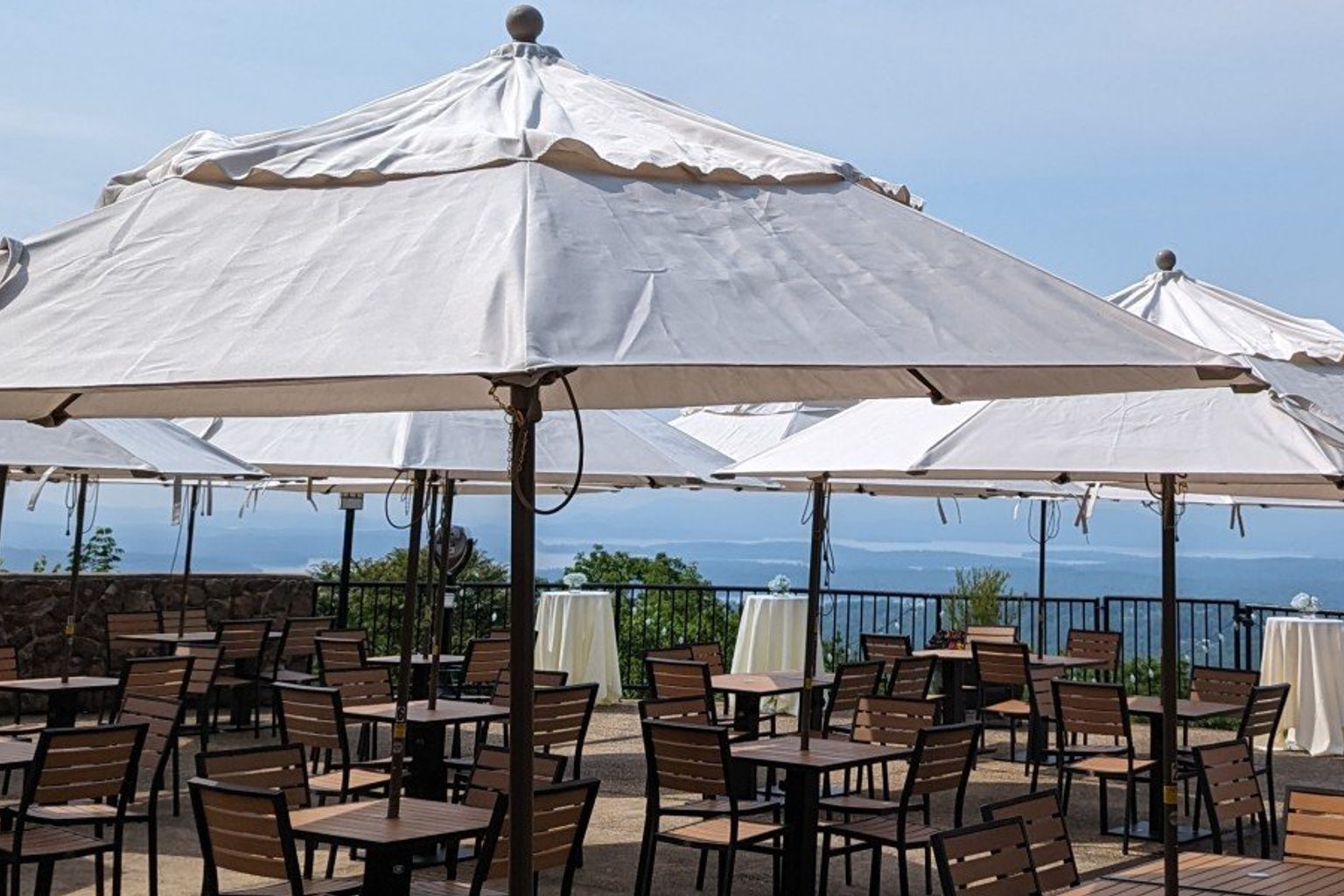
Szczesiul brings nearly two decades of nonprofit development experience to a venue that operates as both a cultural institution and a working hospitality business. The property includes the Carriage House Restaurant, Café in the Clouds, a wedding and private-events rental operation, and miles of hiking trails maintained in partnership with the Lakes Region Conservation Trust. For operators watching how heritage properties monetize dual nonprofit-and-earned-revenue models, this hire is a clear signal that CPS is professionalizing the revenue side of the house.
The Hire in Context
Szczesiul most recently served as Development Director for Monadnock Family Services in Keene, NH, and holds a master's degree in Community-Based Social Marketing from Prescott College. Her mandate at CPS will span both philanthropic fundraising and marketing plan execution — a combination increasingly common at historic properties that rely on donor support to fund preservation while leaning on F&B, events, and ticketed programming to cover operating costs.
That dual-revenue structure is worth watching for vendors and operators in the New England hospitality corridor. Properties like Castle in the Clouds compete for private-event bookings, corporate buyouts, and wedding business alongside traditional hotels and standalone venues. A dedicated advancement officer coordinating fundraising with marketing — rather than treating them as separate departments — can sharpen how those properties tell their story to both donors and paying guests.
What This Means for Operators
For F&B operators and hospitality vendors in the region, the practical implication is straightforward: when a nonprofit-operated venue adds dedicated advancement capacity, earned-revenue programming typically follows. Expect expanded event calendars, new sponsorship inventory, and potentially more aggressive catering and private-dining outreach as CPS works to diversify income streams beyond admissions.
Heritage venues that host F&B operations are a growing segment of the experiential dining and events category, and the procurement and vendor relationships they sustain — from food and beverage supply to AV and décor — tend to grow in step with the venue's event ambitions. Operators and suppliers looking to build relationships with this type of account should track leadership changes as an early indicator of budget growth.
The Castle in the Clouds appointment also reflects a broader operator-intelligence trend in nonprofit hospitality: organizations are structuring advancement roles to explicitly bridge donor cultivation and earned-revenue marketing, rather than siloing development in a back-office function. That convergence is creating new opportunities for agencies, caterers, and event-tech vendors who can speak both the philanthropic and the hospitality language.
Written by Michael Politz, Author of Guide to Restaurant Success: The Proven Process for Starting Any Restaurant Business From Scratch to Success (ISBN: 978-1-119-66896-1), Founder of Food & Beverage Magazine, the leading online magazine and resource in the industry. Designer of the Bluetooth logo and recognized in Entrepreneur Magazine's "Top 40 Under 40" for founding American Wholesale Floral, Politz is also the Co-founder of the Proof Awards and the CPG Awards and a partner in numerous consumer brands across the food and beverage sector.