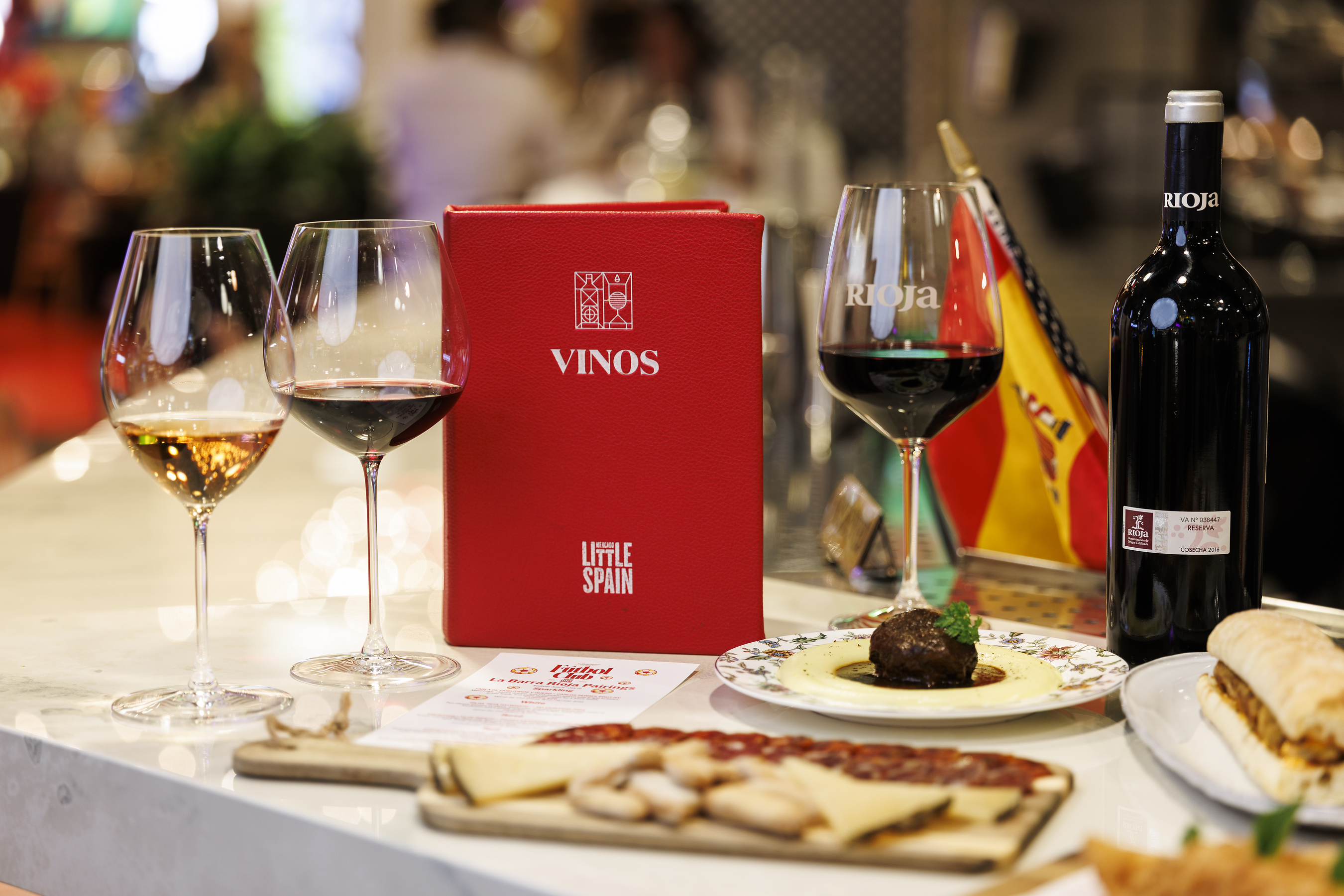
DOCa Rioja and Mercado Little Spain launched a six-week co-branded activation at Hudson Yards on June 11, running through July 19, that ties Rioja wine pairings to live international soccer viewings. For beverage brand operators and import marketers, the program is a clear case study in occasion-based trial — using a guaranteed footfall driver (a major tournament calendar) to move consumers from awareness into the glass.
The structure is straightforward: complimentary tastings run alongside curated food-and-wine pairing menus inside the Mercado, with communal match screenings providing the ambient draw. Mercado Little Spain, the José Andrés food hall occupying roughly 35,000 square feet of Hudson Yards, already pulls a dense mix of tourists, office workers, and food-curious New Yorkers — the kind of venue where an import brand can reach consumers who would never walk into a specialty wine shop. That venue selection is a deliberate part of the intelligence here.
For operators benchmarking experiential beverage spend, this activation pattern has been gaining traction across the import wine and spirits category. Pairing a protected designation of origin (PDO) brand with a culturally resonant live-event moment reduces the education burden — consumers connect emotionally before they receive the appellation pitch. It also compresses the sampling funnel: a visitor who watches a match, drinks a complimentary pour, and then orders a glass at the bar has completed three stages of the purchase journey inside one visit. Brands running similar sport-tied activations in food-hall environments have reported measurable lifts in on-premise velocity during and immediately after the activation window, though DOCa Rioja has not released specific figures for this program.
The procurement and placement signal here is worth noting for distributors and on-premise buyers. When a PDO-level body — not an individual producer — funds a market activation at this scale, it typically signals a broader push into a regional market. Operators in the New York metro area should expect increased distributor support, promotional pricing, and co-op marketing availability from Rioja-designated producers through at least Q3 2026. If you are building a summer beverage program and have not had a conversation with your Rioja rep about activation dollars, now is the time. The parallel lesson for non-wine operators is structural: aligning a product trial moment with an existing cultural calendar (soccer, in this case) reduces the cost of drawing an audience you would otherwise have to build from scratch.
Beverage brand operators and food-hall venue managers looking to replicate this model should map their own activation windows to the sporting and cultural calendars their core guest already cares about. The Hudson Yards location also demonstrates that high-rent, high-traffic venues can be viable for free-sampling activations when the brand anchor is strong enough to negotiate favorable terms — a consideration worth bringing to your next venue partnership conversation.
Written by Michael Politz, Author of Guide to Restaurant Success: The Proven Process for Starting Any Restaurant Business From Scratch to Success (ISBN: 978-1-119-66896-1), Founder of Food & Beverage Magazine, the leading online magazine and resource in the industry. Designer of the Bluetooth logo and recognized in Entrepreneur Magazine's "Top 40 Under 40" for founding American Wholesale Floral, Politz is also the Co-founder of the Proof Awards and the CPG Awards and a partner in numerous consumer brands across the food and beverage sector.