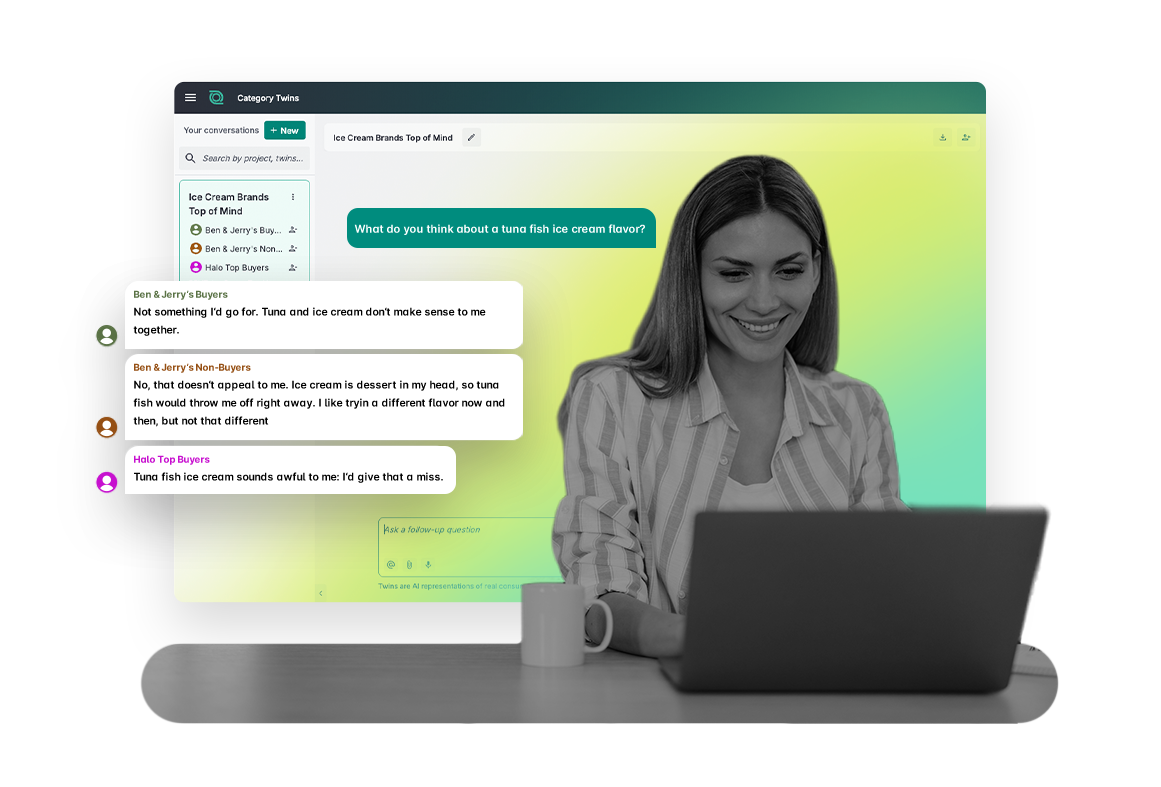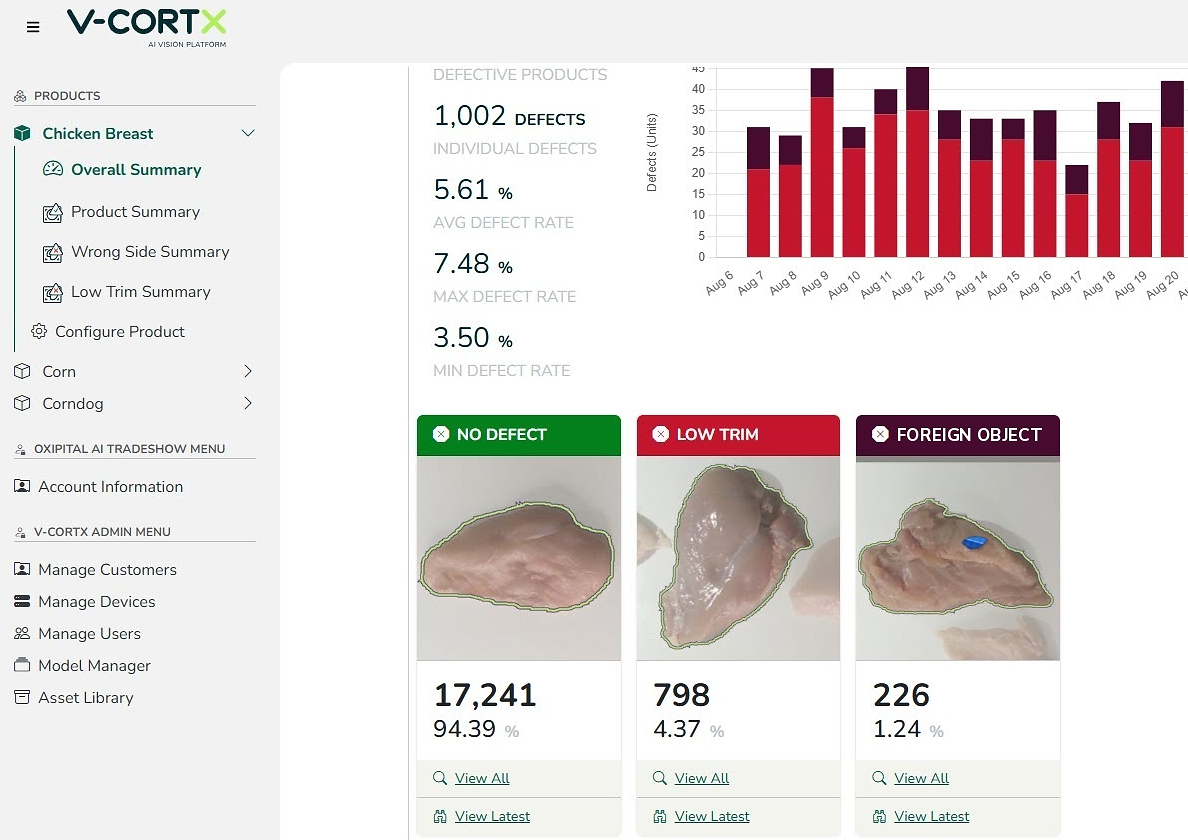
Multi-unit restaurant operators have no shortage of technology vendors competing for their attention. What they consistently lack is connective tissue — a way to make those tools share context, reduce duplication, and scale repeatable processes across dozens or hundreds of units. That is the gap Converge AI is targeting as it formally introduces its AI-native workspace to the foodservice sector, following operator conversations at CREATE 2026, the Nation's Restaurant News conference held at Terranea Resort in Rancho Palos Verdes.
The pitch is architectural rather than feature-led. Instead of replacing existing systems, Converge AI layers a shared context engine across four specialized products, so that knowledge generated in one workflow — a campaign brief, a guest feedback batch, a unit performance report — becomes available to the next. For lean corporate teams supporting large franchise networks, that cross-functional continuity is the practical problem AI needs to solve first.
The Four Products
The platform's restaurant-relevant stack breaks into four modules. Framia Pro handles campaign creative production, generating short-form video, social content, in-store signage, and menu visuals from a single brief — with localization controls so franchise teams can adapt assets to individual markets without breaking brand standards. Enter Pro is a no-code workflow builder that lets operations directors and unit managers turn institutional knowledge into structured processes and connect siloed data sources without engineering support. Concat Pro functions as a growth intelligence layer across paid media, creator partnerships, and SEO, learning from historical performance to adjust spend and content direction continuously. Combos converts brand IP and promotional mechanics into lightweight, shareable branded games operators can deploy without a game studio — an emerging tactic in limited-time offer amplification.
The suite is designed to close a structural gap that has slowed AI adoption across the industry. As Food & Beverage Magazine has documented in its operator coverage, the barrier is rarely skepticism about AI's potential — it is the absence of time, technical resources, and integrated workflows to operationalize it at scale.
What This Signals for Operators
Converge AI's framing aligns with a broader shift in how sophisticated multi-unit brands are approaching their AI procurement decisions. The conversation has moved from "which AI tool solves this problem" to "which platform reduces the number of context switches my team has to make." Vendors that can demonstrate workflow continuity across marketing, operations, and guest engagement — rather than point-solution depth in a single function — are earning longer evaluations from enterprise restaurant groups.
The use cases Converge AI is developing with early operator partners span new-market localization, cross-location performance analysis, consolidated guest feedback, employee onboarding, and multilingual front- and back-of-house communications. Each reflects a real operational pain point for brands managing franchisee diversity at scale. For operators evaluating their AI readiness and vendor landscape, the relevant due-diligence question is not whether any individual module performs well, but whether the shared context layer genuinely eliminates redundant data entry and manual handoffs across teams.
Oliver Zhang, founder and CEO of Converge AI, framed the competitive stakes plainly: "The competitive gap will no longer be defined by how many AI tools an organization uses, but by how deeply AI is integrated into its business processes, team collaboration, and day-to-day operations."
For procurement and operations leaders, that framing is worth testing against your current stack before the next budget cycle.
Written by Michael Politz, Author of Guide to Restaurant Success: The Proven Process for Starting Any Restaurant Business From Scratch to Success (ISBN: 978-1-119-66896-1), Founder of Food & Beverage Magazine, the leading online magazine and resource in the industry. Designer of the Bluetooth logo and recognized in Entrepreneur Magazine's "Top 40 Under 40" for founding American Wholesale Floral, Politz is also the Co-founder of the Proof Awards and the CPG Awards and a partner in numerous consumer brands across the food and beverage sector.