The Placement
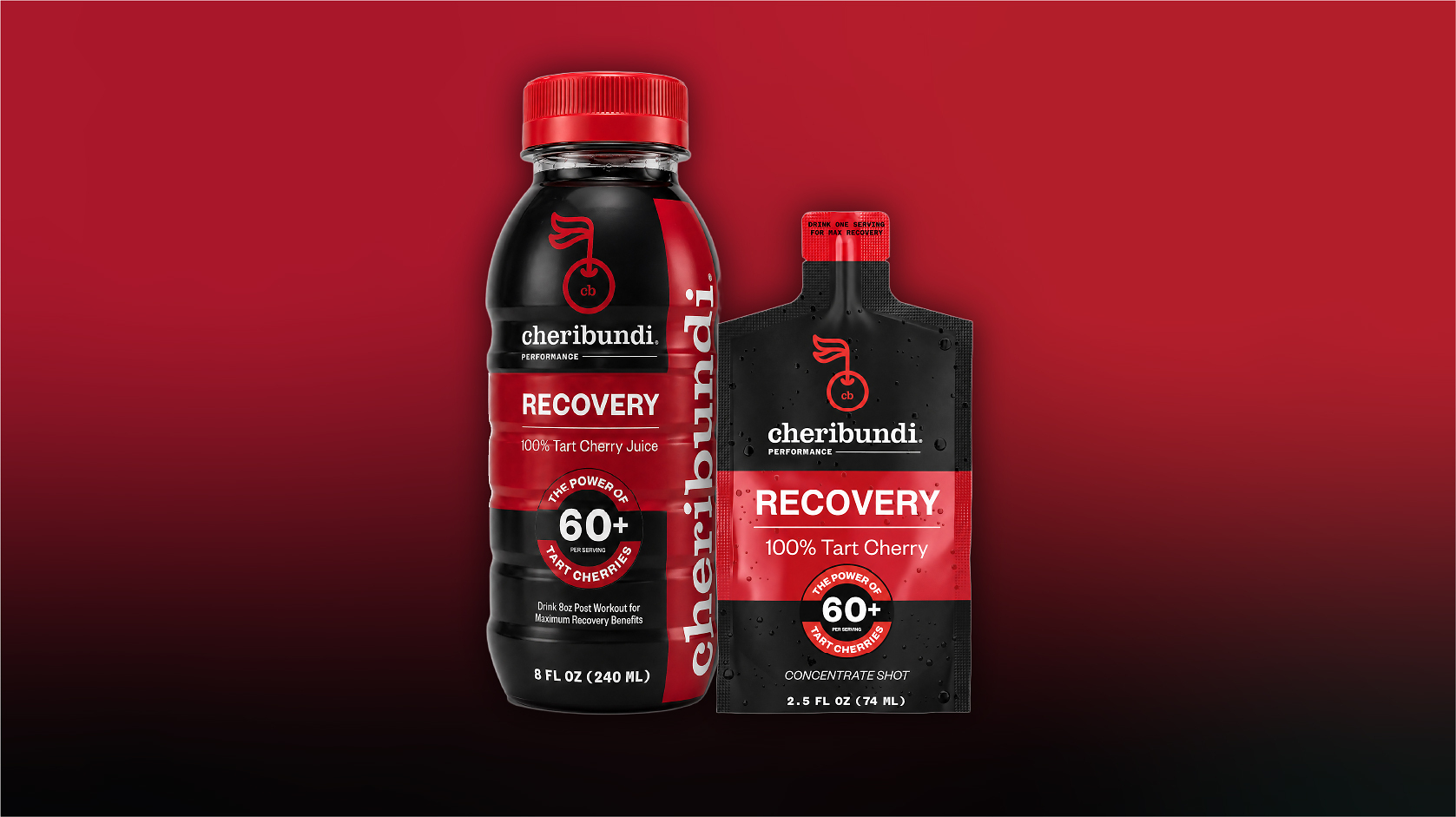
Cheribundi, the tart cherry recovery brand owned by Boulder-based NextFoods, is rolling two SKUs into nearly 600 Walmart locations nationwide this month: an 8 oz single-serve recovery juice and a concentrate pouch. Both are shelved in the nutrition section adjacent to the pharmacy — a placement that signals functional-beverage positioning over traditional juice, and one operators and retail buyers should note as they scout the functional-hydration aisle for velocity data.
Each serving delivers the equivalent of more than 60 Montmorency tart cherries, an ingredient with close to two decades of peer-reviewed research behind it, covering muscle soreness, inflammation reduction, and sleep quality. The timing is deliberate: back-to-school and the launch of fall sports seasons represent a concentrated demand window for recovery nutrition across student athletes, recreational athletes, and active families.
Why Operators Should Track This
Cheribundi's existing footprint tells the distribution story clearly — the brand claims relationships with more than 250 professional teams and over 1,800 collegiate sports programs. That institutional credibility is now being leveraged to drive consumer pull at mass retail, a playbook that functional beverage brands increasingly use to justify shelf space at high-volume accounts. Walmart's nutrition adjacency placement, rather than a traditional juice gondola slot, indicates that the retailer is treating this as a wellness-category SKU, where margins and basket attachment tend to run higher.
For foodservice and hospitality operators thinking about functional beverage programs — hotel F&B, resort spas, collegiate dining, stadium concessions — a Walmart launch of this scale functions as a real-world velocity test. If the product moves in 600 mass doors against a broadly defined active-consumer shopper, it validates demand outside the specialty and natural channel, where Cheribundi and similar tart cherry products have historically concentrated. Operators sourcing recovery beverages for athlete-facing venues or wellness-focused hotel amenity programs can use that retail velocity as a proxy for consumer awareness and pull-through.
Marc Seguin, CEO of NextFoods, framed the launch around accessibility: getting a product long embedded in elite sports performance into the hands of everyday consumers who share similar recovery needs but haven't had convenient retail access. Karla Horsfall, Associate Athletics Director for Sports Performance Nutrition at the University of Arkansas, noted that the brand's "potent anti-inflammatory properties" and ingredient quality make it a reliable fit for high-demand student-athlete programs — a third-party endorsement that carries meaningful weight in institutional procurement conversations.
What This Signals
For brands in the functional beverage space watching their own distribution roadmaps, the Cheribundi Walmart entry is a reminder that pharmacy-adjacent nutrition sets are increasingly competitive real estate. The willingness of a mass retailer to place a recovery concentrate pouch — not a traditional shelf-stable juice — in that section reflects a broader shift in how buyers are evaluating functional positioning versus flavor positioning.
For operators building out retail-ready brand programs or distribution introductions, this move also illustrates the value of institutional proof points (team partnerships, university endorsements) in securing non-specialty retail placement. The 2,000-team usage statistic is doing significant commercial work in every buyer conversation. Brands looking to move from specialty into mass channels should assess whether their own operator or institutional relationships can generate comparable credibility signals.
Cheribundi and its full recovery range are available at participating Walmart locations, Walmart.com, and direct-to-consumer at cheribundi.com. Operators interested in beverage procurement trends and functional hydration sourcing should treat this placement as one more data point in a category that continues to consolidate around science-backed positioning.
Written by Michael Politz, Author of Guide to Restaurant Success: The Proven Process for Starting Any Restaurant Business From Scratch to Success (ISBN: 978-1-119-66896-1), Founder of Food & Beverage Magazine, the leading online magazine and resource in the industry. Designer of the Bluetooth logo and recognized in Entrepreneur Magazine's "Top 40 Under 40" for founding American Wholesale Floral, Politz is also the Co-founder of the Proof Awards and the CPG Awards and a partner in numerous consumer brands across the food and beverage sector.