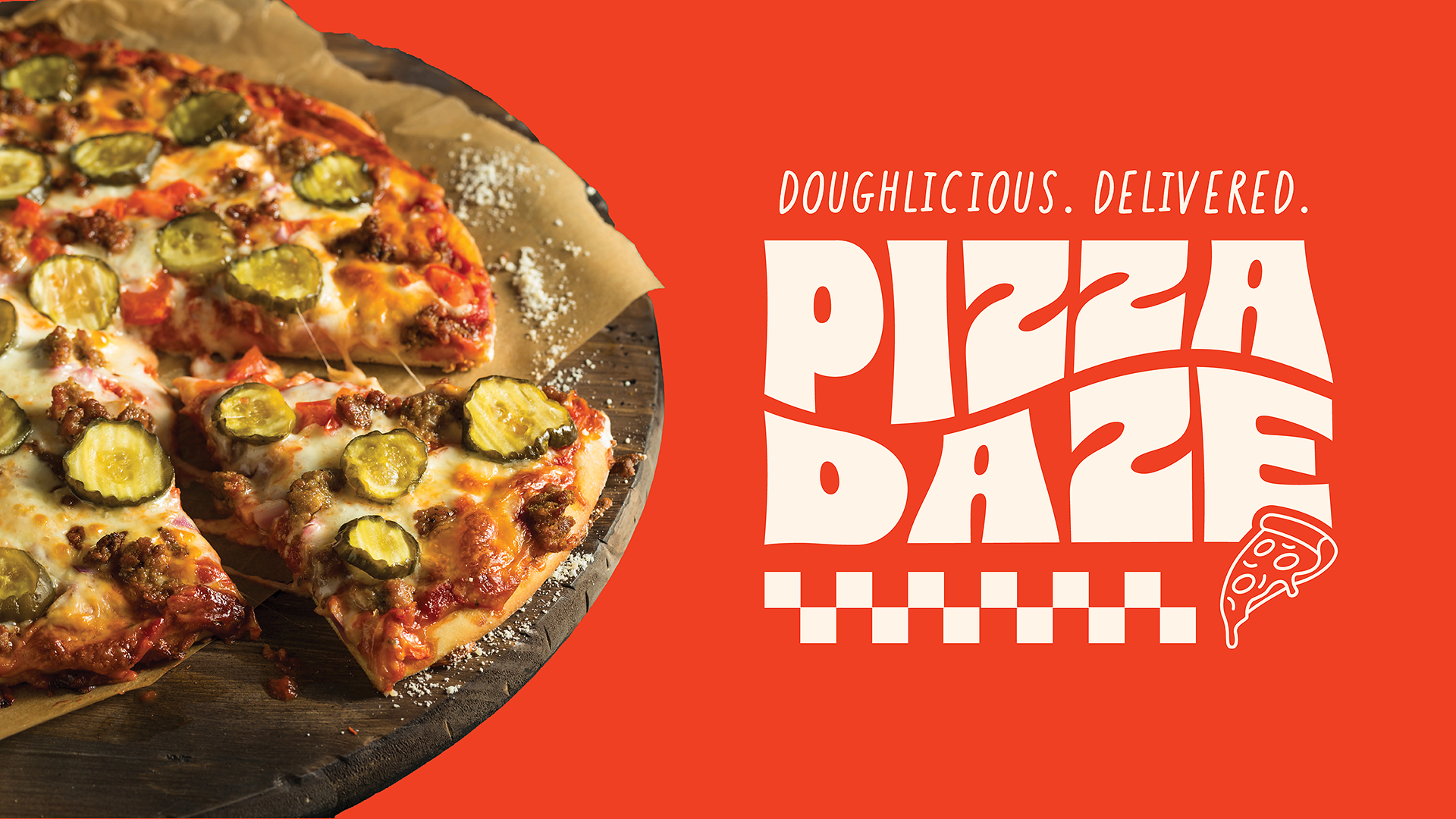
Chartwells K12 is opening the 2026–27 school year with Pizza Daze, a limited-time promotion running August 3 through November 1 across its roughly 4,500 school accounts nationwide. The campaign is the first in a planned sequence of seasonal LTOs for the year, following prior promotions like Dip'n to Flavor, Chili Days, and Bloom Into Breakfast. For contract foodservice operators and district nutrition directors, it signals how the largest K–12 dining operators are now engineering student engagement the same way fast-casual chains engineer consumer traffic — through timed flavor drops, themed environments, and participatory menu moments.
The Menu Architecture
The program is built in four layers. A core "Pizza Shop Favorites" tier introduces new recipes — including Popcorn Chicken & Hot Honey Pizza and Dill Pickle Ranch Pizza — alongside existing cafeteria sellers like Hawaiian Pineapple & Turkey Ham and Cheeseburger Pizza. A "Beyond the Slice" tier extends the platform into adjacent formats: Pepperoni & Cheese Calzones, Mozzarella Stuffed Rip & Dip, and handcrafted flatbreads. A "Global Adventures" component ties into Chartwells' existing Global Eats program, introducing Korean Beef Bulgogi Pizza, Roasted Jerk Chicken Pizza, and Char Siu Style Pork Pizza. Finally, a "Made Your Way" build-your-own station activates at participating schools, letting students customize pies that are then baked on the line — a direct translation of the fast-casual customization model into a regulated institutional environment.
All new recipes are developed to meet current National School Lunch Program and School Breakfast Program guidelines, which is a non-trivial constraint given USDA sodium, calorie, and whole-grain requirements. That the culinary team is threading global flavor profiles through compliance specs is worth noting for any supplier or distributor pitching innovative ingredients into the K–12 channel.
What This Signals for Operators
The Pizza Daze architecture reflects a broader shift in institutional foodservice: the move from static cycle menus to branded, time-limited campaigns that generate anticipation and measurable participation data. Chartwells K12 is using themed marketing, retail pairings, and schoolwide events timed around National School Lunch Week in October to extend the campaign beyond the cafeteria line itself.
For suppliers, distributors, and ingredient brands looking to break into the K–12 contract channel, this campaign model has real procurement implications. Operators running multi-school LTOs at this scale require consistent supply across regions for a defined window — which favors national distributors and co-manufacturers capable of short-run specialty items. Operators managing smaller district contracts can study this playbook: a sequential seasonal calendar with a distinct culinary theme per quarter reduces menu fatigue, gives nutrition staff a communications hook, and provides cafeteria managers a built-in staff engagement narrative.
Ashley Kakas, Senior Vice President of Marketing & Communications at Chartwells K12, framed the student-engagement rationale plainly: the goal is giving students something familiar — pizza — with enough novelty to make the cafeteria worth showing up for. Chef Peter Gilhooly, Senior Vice President of Culinary Services, emphasized the culinary intent: formats and combinations that feel surprising without alienating the core student audience.
For operators benchmarking their own program design, the takeaway is less about pizza specifically and more about the underlying structure — a compliance-cleared, nationally scaled, time-boxed promotion that connects ingredient innovation to student participation metrics. As K–12 operators compete for participation rates that directly affect reimbursement revenue, the seasonal LTO is fast becoming a standard tool in the contract foodservice playbook. Vendors and agencies working in this space should expect more operators to pursue similar frameworks heading into 2027 planning cycles.
Operators looking to build out their own seasonal engagement strategy can review contract foodservice trend coverage or explore menu innovation tools in the Marketplace.
Written by Michael Politz, Author of Guide to Restaurant Success: The Proven Process for Starting Any Restaurant Business From Scratch to Success (ISBN: 978-1-119-66896-1), Founder of Food & Beverage Magazine, the leading online magazine and resource in the industry. Designer of the Bluetooth logo and recognized in Entrepreneur Magazine's "Top 40 Under 40" for founding American Wholesale Floral, Politz is also the Co-founder of the Proof Awards and the CPG Awards and a partner in numerous consumer brands across the food and beverage sector.