The Deployment Model
Carbliss, the Wisconsin-based premium ready-to-drink cocktail brand, is now live in South Carolina — its 25th state — backed by seven distribution partners covering 11 territories and a two-day, 46-person ground activation. That scale of human deployment for a single state entry is unusual in the RTD category, where most brands rely on distributor reps to carry the opening weeks alone.
Co-founder Adam Kroener framed the rationale plainly: "We don't just enter a market and expect the product to sell itself. We show up. We work alongside our distributors, get into accounts, and introduce people to what makes Carbliss different." The 46-person push covered market visits, retailer introductions, and on-premise account work across the state simultaneously.
Why On-Premise Buyers Should Pay Attention
For bar and restaurant operators in South Carolina, the more immediately relevant development is the appointment of Brian Presley as South Carolina Market Manager. Presley is a dedicated, in-state representative — not a shared distributor contact — which means on-premise accounts have a direct brand channel for placement conversations, programming support, and product availability questions. That structure is increasingly how faster-growing RTD brands are differentiating their trade relationships from legacy beverage portfolios.
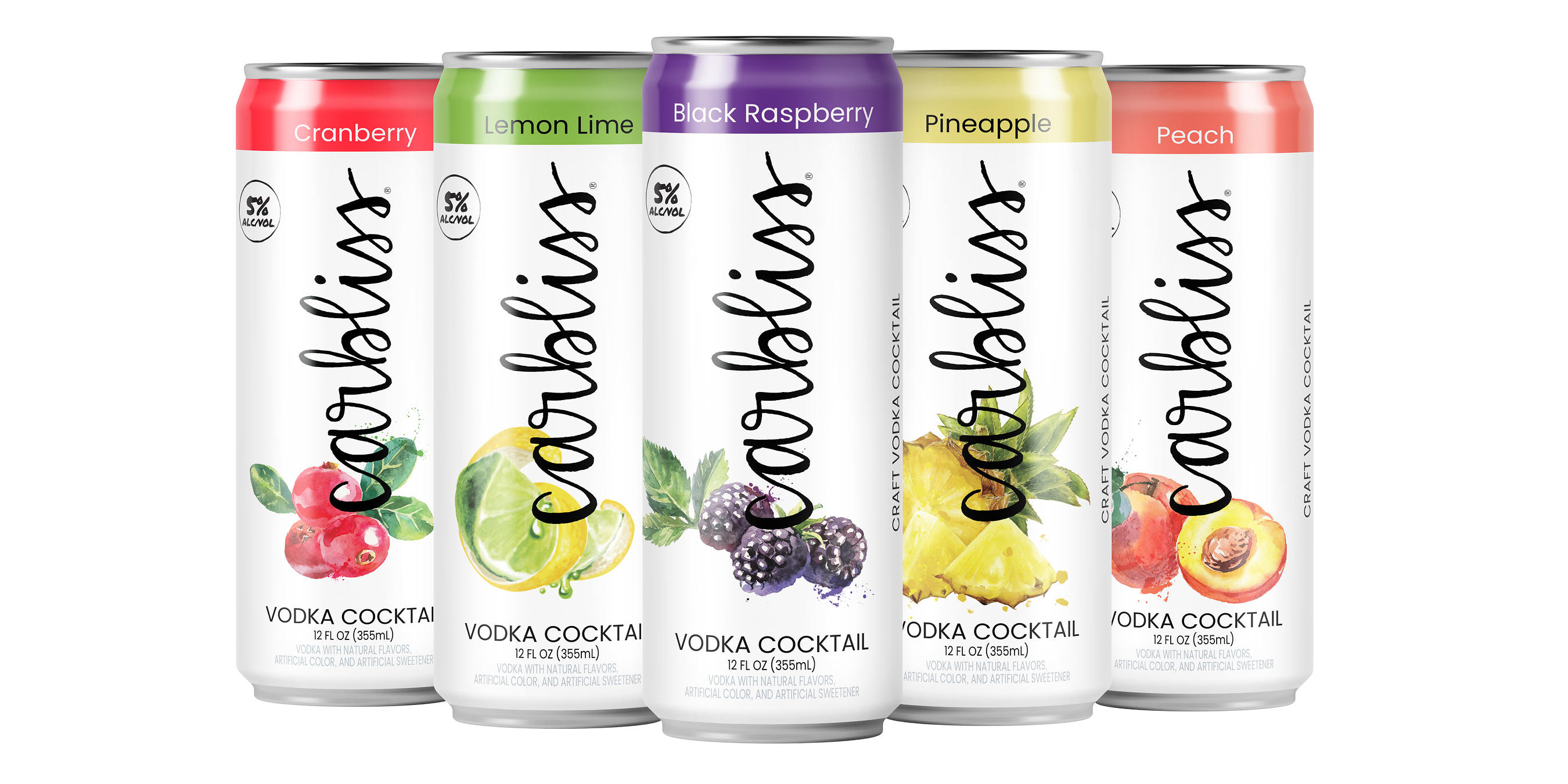
Carbliss's positioning — zero sugar, zero carbohydrates, 100 calories, full-flavor RTD cocktails — fits squarely into the better-for-you beverage segment that continues to outpace the broader spirits market. For operators building or refreshing their canned cocktail sets, the brand's Inc. 5000 recognition as the top Food & Beverage Company for two consecutive years signals retail and on-premise momentum that tends to translate into consumer pull-through. Bars and restaurants that get in early on a distribution launch often benefit from brand-funded sampling and launch support that dissipates once the brand is established in market.
Distributors evaluating RTD portfolio additions can reference Carbliss's distribution architecture — seven partners across 11 defined territories — as a case study in geographic segmentation at the state level. Rather than consolidating distribution, the brand has opted for coverage density, which typically accelerates retail shelf placement but requires tighter communication coordination across partners.
What This Signals for the RTD Category
The Carbliss South Carolina launch is a data point in a broader pattern: premium RTD brands are treating state entries less like a logistics event and more like a brand launch campaign. The combination of a large internal field team, pre-structured distribution territories, and a resident market manager mirrors tactics historically reserved for large spirits houses — and it suggests that well-capitalized independent RTD brands are compressing the timeline between initial distribution and meaningful on-premise velocity.
For operators and buyers monitoring the beverage trends shaping their back bar and retail sets, the RTD cocktail category remains one of the highest-growth segments in packaged beverages. Brands entering with this level of launch infrastructure tend to maintain shelf presence longer and invest more in account-level programming than those relying on passive distribution alone. South Carolina operators with questions about placement can connect with the brand's market manager directly or use the product finder at drinkcarbliss.com.
Written by Michael Politz, Author of Guide to Restaurant Success: The Proven Process for Starting Any Restaurant Business From Scratch to Success (ISBN: 978-1-119-66896-1), Founder of Food & Beverage Magazine, the leading online magazine and resource in the industry. Designer of the Bluetooth logo and recognized in Entrepreneur Magazine's "Top 40 Under 40" for founding American Wholesale Floral, Politz is also the Co-founder of the Proof Awards and the CPG Awards and a partner in numerous consumer brands across the food and beverage sector.
Frequently Asked Questions
How many states is Carbliss now operating in, and what was the scale of the South Carolina launch?
Carbliss is now live in 25 states. The South Carolina entry deployed 46 people across two days working with seven distribution partners covering 11 territories — a deployment model that's atypical for the RTD category, where most brands rely solely on distributor reps for market entry.
What dedicated resource did Carbliss assign to South Carolina on-premise accounts?
Brian Presley was appointed as South Carolina Market Manager, functioning as a dedicated in-state representative rather than a shared distributor contact. This structure gives bars and restaurants direct brand access for placement conversations, programming support, and inventory questions.
What are Carbliss's core nutritional specs that drive its positioning?
Carbliss RTD cocktails deliver zero sugar, zero carbohydrates, and 100 calories per serving while maintaining full flavor. This profile directly targets the better-for-you beverage segment, which continues outpacing broader spirits market growth.
What competitive validation has Carbliss achieved in the Inc. 5000 rankings?
Carbliss was recognized as the top Food & Beverage Company in the Inc. 5000 for two consecutive years, a credential that signals proven retail and on-premise momentum in a crowded RTD cocktail market.
Why is Carbliss's approach to state entry different from typical RTD brand playbooks?
Co-founder Adam Kroener states the brand doesn't "expect the product to sell itself" — instead, it deploys significant human capital to work alongside distributors, introduce the product directly to accounts, and build relationships. This hands-on model is increasingly used by faster-growing RTD brands to differentiate from legacy beverage portfolios.