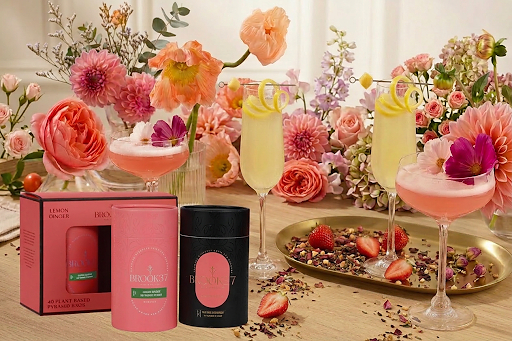
Brook37 The Atelier announced this week that its premium, heavy-metal-tested tea line is now on shelves across all 54 Costco warehouses in Texas — the brand's first major retail partnership and a direct play for scale ahead of what Texas retailers call peak iced tea season. For emerging beverage brands watching from the sidelines, the move is worth studying: Brook37 bypassed the conventional specialty-to-grocery-to-club ladder and opened at the club tier first.
Costco's Texas footprint is not a test. Fifty-four warehouses represent a statewide commitment, and club retail demands volume discipline that most emerging brands aren't ready for at launch. Brook37's positioning — woman-owned, direct-farm-sourced, clean-label, with third-party heavy metal testing built into the brand narrative — gives it a compliance and storytelling advantage that club buyers increasingly require. Costco's member base skews toward household spend optimization, and premium-but-value-per-ounce positioning lands well in that context.
The clean-label beverage segment has been crowding specialty and natural grocery channels for the past three years, which has compressed shelf availability and raised slotting friction for new entrants. Moving into club retail first sidesteps some of that congestion while also requiring a brand to arrive with supply chain maturity, consistent QA documentation, and packaging that communicates trust in roughly two seconds of member attention. Brook37's heavy metal testing claim is the kind of third-party credential that accelerates buyer confidence at scale — and that same credential will matter if the brand pursues AI-assisted procurement pathways as distributors modernize their vendor intake processes.
For operators and buyers tracking where premium tea is heading, this placement also signals that the functional and clean-label halo has moved well past health food stores and into mainstream club retail — the same channel shift that played out in bottled water, protein, and better-for-you snacks over the prior decade. Brands that can articulate a compliance story (sourcing transparency, testing protocols, certifications) now have a faster path to club buyers than brands competing purely on flavor differentiation. Brokers and distributors working the beverage aisle should expect more direct-to-club pitches from founder-led brands that have built that documentation infrastructure early. This is also a case study worth reviewing alongside how emerging CPG brands are structuring their retail launch media to support club debuts.
Brook37's Texas launch is a single data point, but it lands at a moment when the beverage category is being reshaped by consumer demand for ingredient transparency and by club retailers' appetite for brands that can generate member trial without heavy promotional support. The brand's woman-owned positioning and direct-farm sourcing narrative give it earned-media leverage that reduces paid launch costs — a real structural advantage for an independent brand entering a high-volume channel.
Written by Michael Politz, Author of Guide to Restaurant Success: The Proven Process for Starting Any Restaurant Business From Scratch to Success (ISBN: 978-1-119-66896-1), Founder of Food & Beverage Magazine, the leading online magazine and resource in the industry. Designer of the Bluetooth logo and recognized in Entrepreneur Magazine's "Top 40 Under 40" for founding American Wholesale Floral, Politz is also the Co-founder of the Proof Awards and the CPG Awards and a partner in numerous consumer brands across the food and beverage sector.