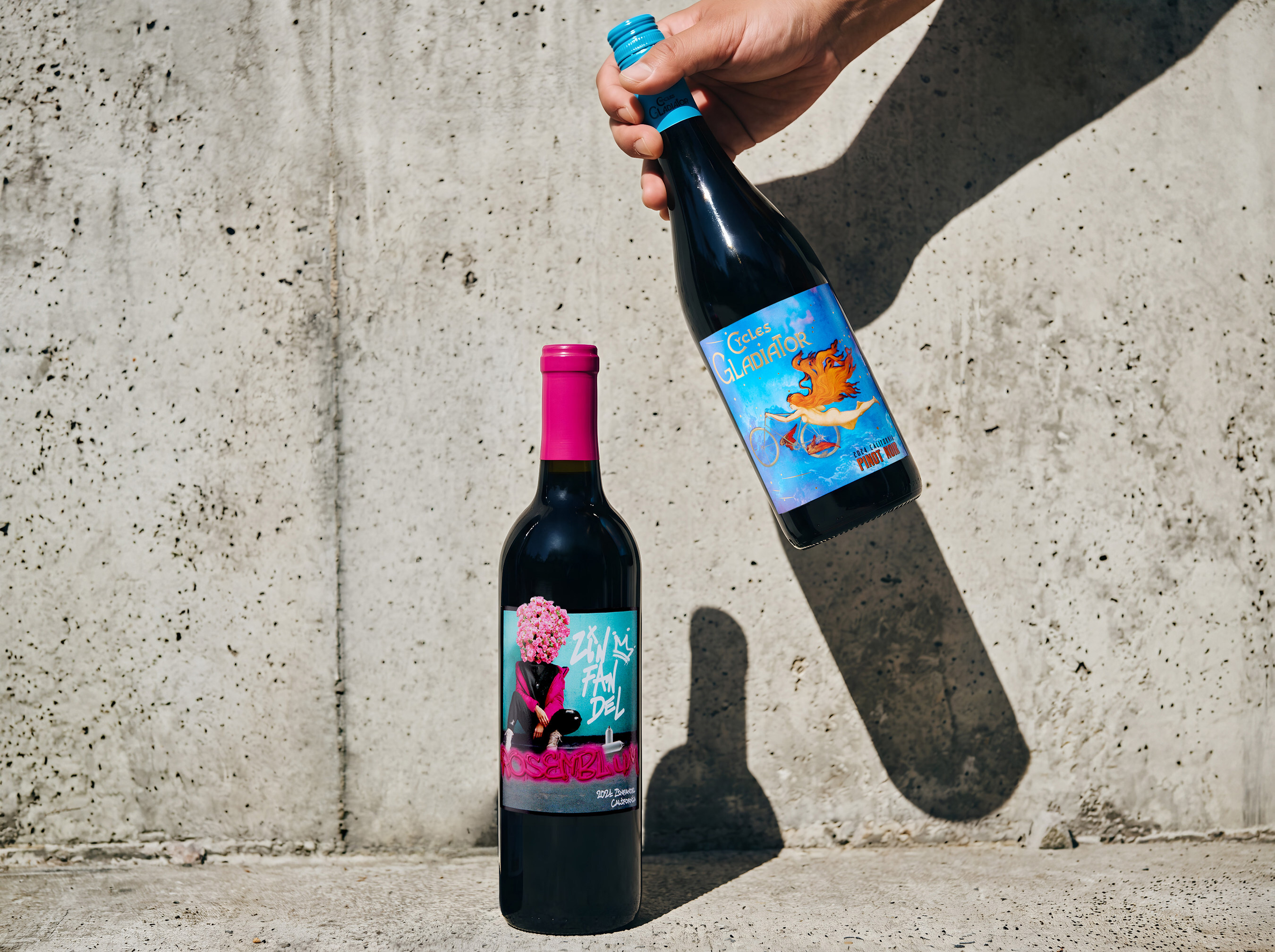
Bronco Wine Co. has quietly become one of the more interesting case studies in heritage brand management. The family-owned California producer announced the repositioning of two legacy labels — Rosenblum and Cycles Gladiator — as part of a broader company-wide evolution. Both brands carry meaningful equity from earlier eras of the American wine market, and the decision to reinvent rather than retire them is a deliberate bet on nostalgia-informed brand architecture rather than net-new SKU launches.
For on-premise buyers and retail wine buyers, this kind of relaunch matters for a specific reason: it changes the conversation at the shelf and the table. Rosenblum built its reputation on California Zinfandel; Cycles Gladiator on approachable Central Coast varietals with bold label design. Relaunching both simultaneously suggests Bronco is testing whether two distinct consumer profiles — the legacy loyalist and the new discovery shopper — can be served from the same production infrastructure under modernized brand identities. That's a portfolio efficiency play as much as it is a marketing one.
The broader context for wine operators is worth tracking. The mid-tier wine category has been under sustained pressure as consumers either trade up into premium bottles or exit wine in favor of spirits, RTDs, and non-alcoholic alternatives. Heritage labels that once held strong on-premise list positions have lost velocity in many markets. Reinvestment in these SKUs — particularly with updated packaging and a repositioned story — is the counter-move operators should watch for across the supplier landscape heading into 2026 buying cycles. It signals suppliers are prioritizing re-earned distribution over fighting for new placements. For buyers doing their annual beverage program reviews, this is an opening to renegotiate placement terms on familiar brands with fresh sell sheets.
From a brand launch intelligence perspective, the dual relaunch structure is worth noting. Running two repositions concurrently allows Bronco to split-test consumer response across channels — on-premise, retail, and DTC — without fragmenting its sales team's bandwidth across entirely separate stories. Distributors carrying both labels can bundle the pitch. Buyers get a portfolio refresh conversation rather than two disconnected cold calls. If you're a regional operator evaluating wine and beverage vendor relationships, this is the kind of move that typically comes with promotional program support, updated POS materials, and in some cases pour incentives — all worth asking about during your next rep meeting.
The takeaway for operators is practical: Bronco is signaling it intends to compete for list placement and retail shelf space with reinvented identity rather than price-only leverage. That changes the negotiation dynamic. Buyers who engage early in a relaunch cycle typically secure better programming terms than those who wait for the brand to re-establish momentum on its own.
Written by Michael Politz, Author of Guide to Restaurant Success: The Proven Process for Starting Any Restaurant Business From Scratch to Success (ISBN: 978-1-119-66896-1), Founder of Food & Beverage Magazine, the leading online magazine and resource in the industry. Designer of the Bluetooth logo and recognized in Entrepreneur Magazine's "Top 40 Under 40" for founding American Wholesale Floral, Politz is also the Co-founder of the Proof Awards and the CPG Awards and a partner in numerous consumer brands across the food and beverage sector.