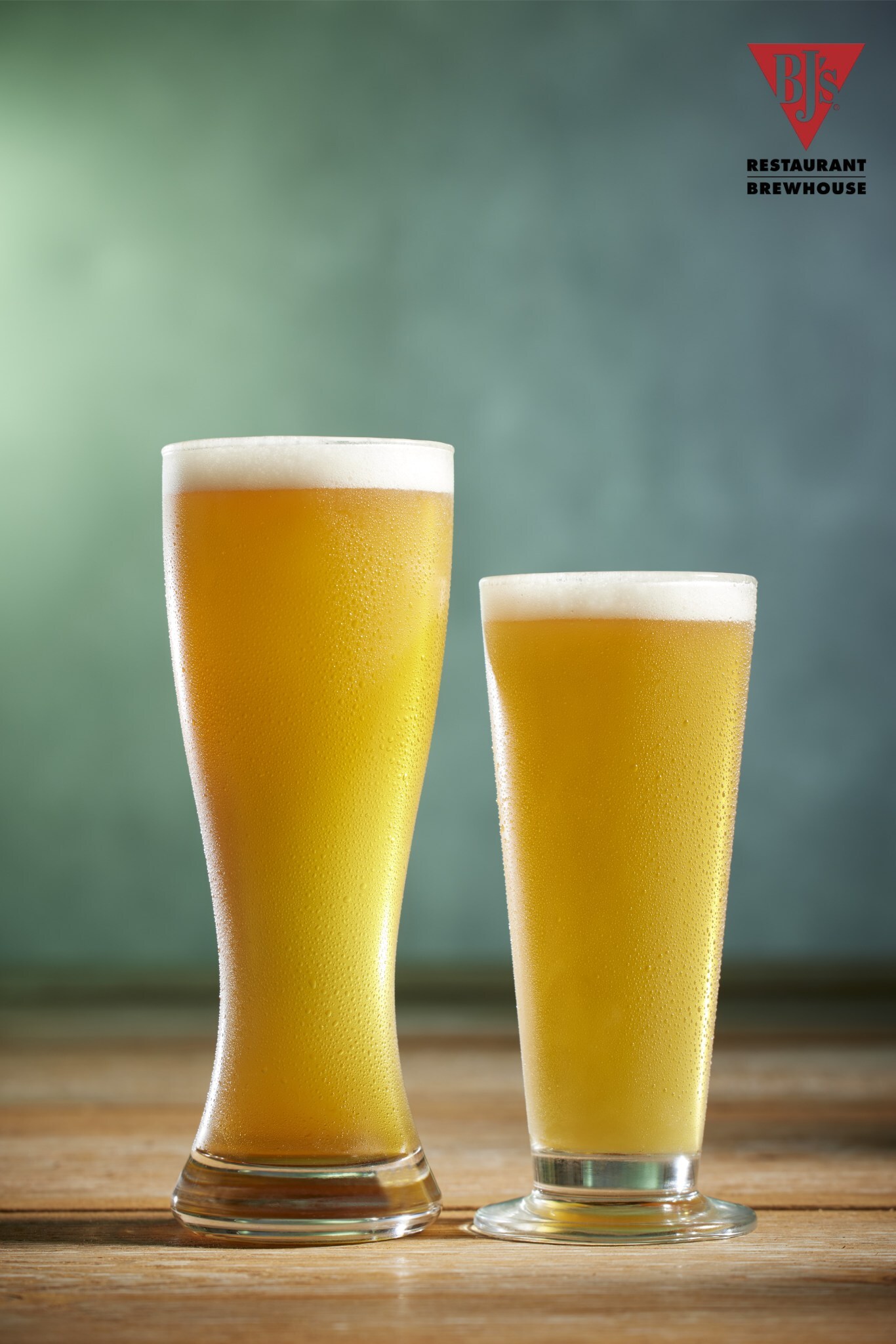
BJ's Restaurant & Brewhouse, the Huntington Beach–based casual-dining chain with nearly three decades of in-house brewing behind it, is releasing Grass Attack®, a seasonal Cold IPA timed to coincide with summer's marquee international soccer tournament. The move is less about a single beer and more about a deliberate occasion-marketing strategy: align a new SKU with a high-traffic cultural moment, give your servers a story to tell, and give guests a reason to choose your bar over a competitor's big screen.
Cold IPAs occupy an interesting position in the current craft-beer landscape. They pour cleaner and crisper than a traditional West Coast IPA — lower fermentation temperatures suppress ester production — which makes them more accessible to the lager drinker without abandoning the hop-forward profile that craft loyalists expect. For a chain operating its own brewery, launching a Cold IPA as a summer seasonal is a low-risk, high-visibility SKU decision: the style is trending on tap-room menus nationally, and the production process is well within the capability of any serious in-house brewing operation.
From a brand-launch and operator-intelligence standpoint, the soccer tournament timing is worth examining. Major international tournaments have historically driven measurable bar-tab lifts at full-service restaurants with dedicated viewing setups — operators who have invested in geo-fenced digital campaigns around match schedules and daypart-specific promotions have reported meaningful incremental covers during group-stage windows. BJ's, with roughly 200 locations, has the footprint to run coordinated national programming while still allowing individual units to localize around local supporter-club watch parties. The Grass Attack name and soccer-adjacent branding also gives the marketing team a clean hook for social content, influencer pours, and in-venue POS without requiring a heavy paid-media lift to explain the concept. For operators benchmarking their own LTO calendar, this is a useful case study in matching product attributes — refreshing, sessionable, visually distinct — to a specific consumption occasion rather than launching into a generic "summer beer" positioning.
The broader signal here is that multi-unit operators with proprietary beverage programs are increasingly treating their brewing or beverage R&D capabilities as growth-marketing assets, not just margin plays. A house-brewed seasonal gives the brand something a national distributor's portfolio cannot: exclusivity, storytelling, and a tangible reason for a guest to visit rather than stream the match at home. Operators who lack an in-house brewery should note that the same occasion-anchoring logic applies to curated tap takeovers, exclusive pouring agreements with regional craft breweries, or co-branded cocktail programs built around event calendars. The mechanic transfers; the asset does not have to be proprietary.
For vendors and agencies tracking beverage program investment at the chain level, BJ's move reinforces that occasion-based LTO strategy is back on the priority list after several years of operators focusing almost exclusively on value messaging and cost containment. If you are pitching beverage innovation, sports-marketing integrations, or seasonal campaign packages to multi-unit operators right now, this is a favorable environment. Buyers are looking for differentiation that does not require a price concession.
Written by Michael Politz, Author of Guide to Restaurant Success: The Proven Process for Starting Any Restaurant Business From Scratch to Success (ISBN: 978-1-119-66896-1), Founder of Food & Beverage Magazine, the leading online magazine and resource in the industry. Designer of the Bluetooth logo and recognized in Entrepreneur Magazine's "Top 40 Under 40" for founding American Wholesale Floral, Politz is also the Co-founder of the Proof Awards and the CPG Awards and a partner in numerous consumer brands across the food and beverage sector.