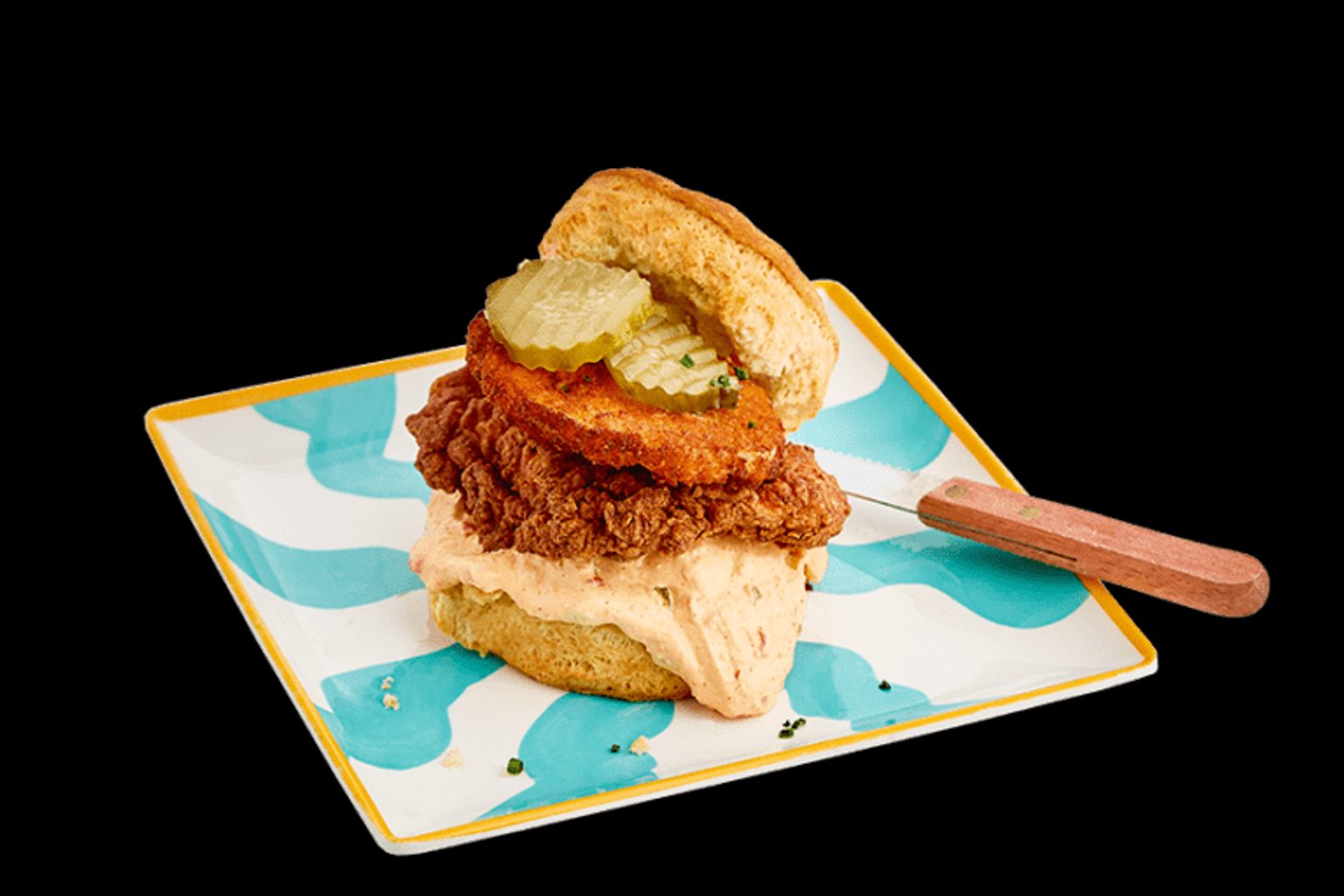
Biscuit Belly, the Louisville-based gourmet biscuit sandwich franchise, has acquired 34 Maple Street Biscuit Company locations from Cracker Barrel — more than tripling its current 15-unit footprint and setting a course for 60-plus locations by the end of 2028. Conversions begin immediately in the Cincinnati market and Richmond, Virginia, with the full portfolio transitioning to the Biscuit Belly brand over the next 18 to 24 months.
The Strategic Logic
For growing fast-casual operators, the two most expensive problems are real estate lead time and talent acquisition. This deal sidesteps both. Biscuit Belly gains established store-level teams, permitted and built-out physical footprints, and geographic footholds across the Southeast — without the 12-to-24-month drag of greenfield development. Chad Coulter, co-founder and CEO of Biscuit Belly, noted that Maple Street's geography, existing store footprints, and in-place teams were the catalysts: "a light bulb went off" when the brand assessed the asset.
The conversion model is well-worn in fast-casual M&A. Brands that inherit operational infrastructure can redirect capital toward marketing, menu development, and franchise recruitment rather than construction. For operators watching this space, the move echoes how regional concepts use distressed or divested corporate portfolios to compress years of organic growth into a single transaction.
What This Signals for Operators
Maple Street Biscuit Company was itself a pioneering concept in the gourmet biscuit segment before its acquisition by Cracker Barrel. Its divestiture is a signal that large casual-dining conglomerates continue to shed non-core fast-casual assets — creating a buyer's market for nimble, well-capitalized regional brands. Franchise operators and multi-unit investors evaluating emerging brands should watch the Southeast closely: this deal densifies a competitive breakfast-and-brunch daypart already crowded with regional concepts fighting for the same morning traffic.
From a brand-launch and conversion standpoint, Biscuit Belly's plan to introduce its signature menu, updated interiors, and guest-experience standards across legacy Maple Street locations is a meaningful integration challenge. Retaining existing store teams — and their community relationships — while retraining on new brand standards is the friction point where conversion deals succeed or stall. The 18-to-24-month runway suggests the brand is prioritizing a managed rollout over a hard cutover, which is the operationally sound approach at this scale.
For suppliers and foodservice distributors tracking emerging regional chains, Biscuit Belly's expanded footprint changes the procurement conversation. A 60-plus-unit operator commands meaningfully different distributor terms, co-manufacturing options, and marketing co-op dollars than a 15-unit regional player. Vendors already in the Maple Street supply chain should expect consolidation reviews as Biscuit Belly standardizes its ingredient and packaging programs across the combined portfolio.
Co-founder Lauren Coulter framed the acquisition against a long-term ambition: becoming the largest gourmet biscuit brand in the United States. That goal now has a credible structural foundation, even if significant execution risk remains in the conversion phase.
Written by Michael Politz, Author of Guide to Restaurant Success: The Proven Process for Starting Any Restaurant Business From Scratch to Success (ISBN: 978-1-119-66896-1), Founder of Food & Beverage Magazine, the leading online magazine and resource in the industry. Designer of the Bluetooth logo and recognized in Entrepreneur Magazine's "Top 40 Under 40" for founding American Wholesale Floral, Politz is also the Co-founder of the Proof Awards and the CPG Awards and a partner in numerous consumer brands across the food and beverage sector.