The Deal
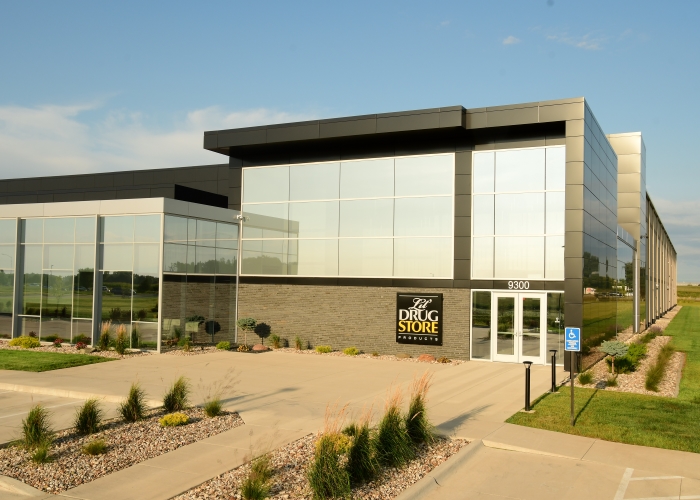
Lil' Drug Store Products, Inc. (LDSP) completed the acquisition of Navajo Incorporated's Health, Beauty and Wellness business — including its Trial and Travel division — effective September 4, 2026. The transaction extends LDSP's distribution footprint, which already spans more than 180,000 retail locations across convenience, travel, hospitality, and alternative retail channels, into grocery and drug for the first time in the company's 50-plus-year history.
For hospitality operators and foodservice procurement teams, the move is worth noting. Trial and travel product categories — think single-serve personal care items stocked in hotel grab-and-go sections, lobby retail, and amenity programs — are increasingly managed by a shrinking pool of national distributors. LDSP's existing supplier base includes Procter & Gamble, Haleon, Kenvue, Prestige Consumer Healthcare, Carmex, ChapStick, Olly, and Ricola, among others. Adding Navajo's grocery and drug channel relationships gives those brand partners broader retail placement from a single vendor relationship.
Why It Matters for Operators
The strategic logic here is channel consolidation. LDSP's president and CEO Chris DeWolf framed it plainly: the goal is to give consumer health and personal care suppliers a more comprehensive retail solution so brand partners can reach consumers regardless of where they shop. For hotel operators and travel retail buyers, that means the distributor managing your lobby convenience set may soon also be servicing the grocery and drug accounts in your surrounding market — creating category alignment and potentially stronger negotiating leverage on both sides.
Navajo had built a substantial operation over nearly five decades — more than 400,000 square feet of manufacturing, display fabrication, distribution, and showroom space across its facilities. Its Health, Beauty and Wellness and Trial and Travel businesses have been carved out and folded into LDSP; Navajo retains its eyewear, mobile electronics, and general merchandise operations independently.
What Operators Should Watch
Single-source distribution models are gaining traction across foodservice and hospitality supply chains, driven by pressure to reduce vendor complexity and improve category management. This acquisition fits a broader pattern: distribution consolidation in convenience and travel retail is compressing the number of players who can credibly service large hotel groups, airport retail, and highway travel centers simultaneously.
Suppliers pitching amenity programs or grab-and-go retail to hotel operators should register this shift. A distributor with grocery and drug penetration now also carries hospitality-channel credentials — and that changes the competitive landscape for smaller regional distributors who have historically owned the hotel lobby category. Procurement leaders evaluating vendor contracts in the personal care and wellness segment should request updated channel coverage maps and ask specifically whether their distributor has grocery and drug placement capabilities that could support cross-channel brand programs.
From a brand launch and retail readiness standpoint, emerging health and wellness brands targeting hospitality retail now have a clearer single-point-of-entry conversation to have — with a distributor that can theoretically place them in convenience, travel, hotel, grocery, and drug simultaneously.
Written by Michael Politz, Author of Guide to Restaurant Success: The Proven Process for Starting Any Restaurant Business From Scratch to Success (ISBN: 978-1-119-66896-1), Founder of Food & Beverage Magazine, the leading online magazine and resource in the industry. Designer of the Bluetooth logo and recognized in Entrepreneur Magazine's "Top 40 Under 40" for founding American Wholesale Floral, Politz is also the Co-founder of the Proof Awards and the CPG Awards and a partner in numerous consumer brands across the food and beverage sector.