The Move
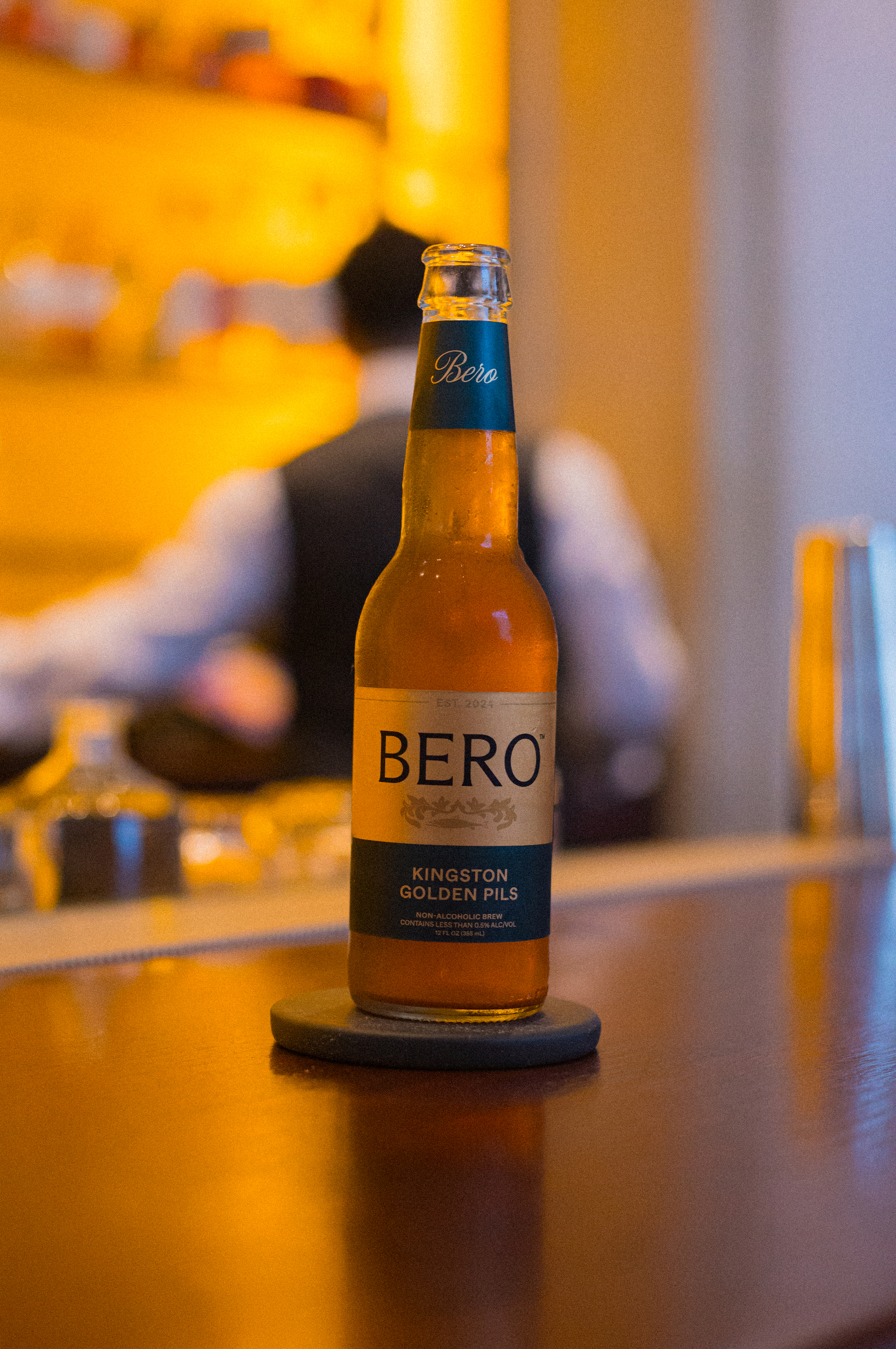
BERO is rolling out its Kingston Golden Pils in a signature glass bottle — available now direct-to-consumer at berobrewing.com and through select restaurants and bars in the United States and United Kingdom. Priced at $20 per 6-pack, the format marks the brand's first departure from cans and positions it explicitly for on-premise placement alongside traditional draft and bottled beer programs.
The launch matters beyond packaging aesthetics. BERO is positioning the glass bottle as a channel strategy: glass has long been the preferred format behind the bar and across table-service occasions, and the move signals the brand's intent to compete in hospitality accounts where cans have historically faced resistance from operators who prioritize presentation.
Format as Channel Strategy
Glass currently represents just over a quarter of the non-alcoholic beer category by consumer demand — a meaningful slice that has been underserved by craft NA producers, most of whom have defaulted to can formats. BERO claims to be the first craft non-alcoholic beer in the US to introduce the glass bottle at scale, a positioning that gives the brand a credible differentiation story when pitching beverage directors and bar managers.
For operators building or expanding non-alcoholic beverage programs, format is not a minor detail. A bottle that reads as premium on a back bar, pours cleanly at the table, and photographs well for a menu or social content is a materially different product conversation than a can — even if the liquid inside is identical. BERO's move acknowledges that the on-premise channel has its own logic, and brands that want meaningful placement in restaurants and hotels need to meet that logic on its own terms.
John Herman, Co-Founder and CEO of BERO, noted that the glass bottle was part of the brand's original vision before the can artwork was even finalized. "We developed this bottle for the places we believe the category is going next — bars, restaurants, hotels and beyond," Herman said, framing the launch as a deliberate expansion into hospitality-forward occasions rather than a reactive line extension.
What Operators Should Watch
U.S. non-alcoholic beer volumes are projected to grow 18.0% annually through 2029, according to global beverage alcohol data cited by the brand. That growth rate, sustained over multiple years, is pulling category investment from both established brewers and independent brands — and it is increasingly landing on beverage menus in full-service restaurants and hotels that would not have carried NA beer five years ago.
For procurement and beverage directors, BERO's glass launch is a signal to revisit NA beer specs on existing distributor agreements. The brand's dual-market presence in the US and UK also makes it relevant for hospitality groups operating across both territories. And for operators building brand launch packages or retail-ready presentations, the BERO case illustrates how format decisions — not just liquid quality — drive placement conversations with buyers and account managers.
Distributors and on-premise sales teams working the non-alcoholic beverage trend will find the glass format opens doors that the can format was closing. Expect competitive NA beer brands to evaluate similar format moves as glass penetration grows and category velocity justifies the packaging investment.
Written by Michael Politz, Author of Guide to Restaurant Success: The Proven Process for Starting Any Restaurant Business From Scratch to Success (ISBN: 978-1-119-66896-1), Founder of Food & Beverage Magazine, the leading online magazine and resource in the industry. Designer of the Bluetooth logo and recognized in Entrepreneur Magazine's "Top 40 Under 40" for founding American Wholesale Floral, Politz is also the Co-founder of the Proof Awards and the CPG Awards and a partner in numerous consumer brands across the food and beverage sector.