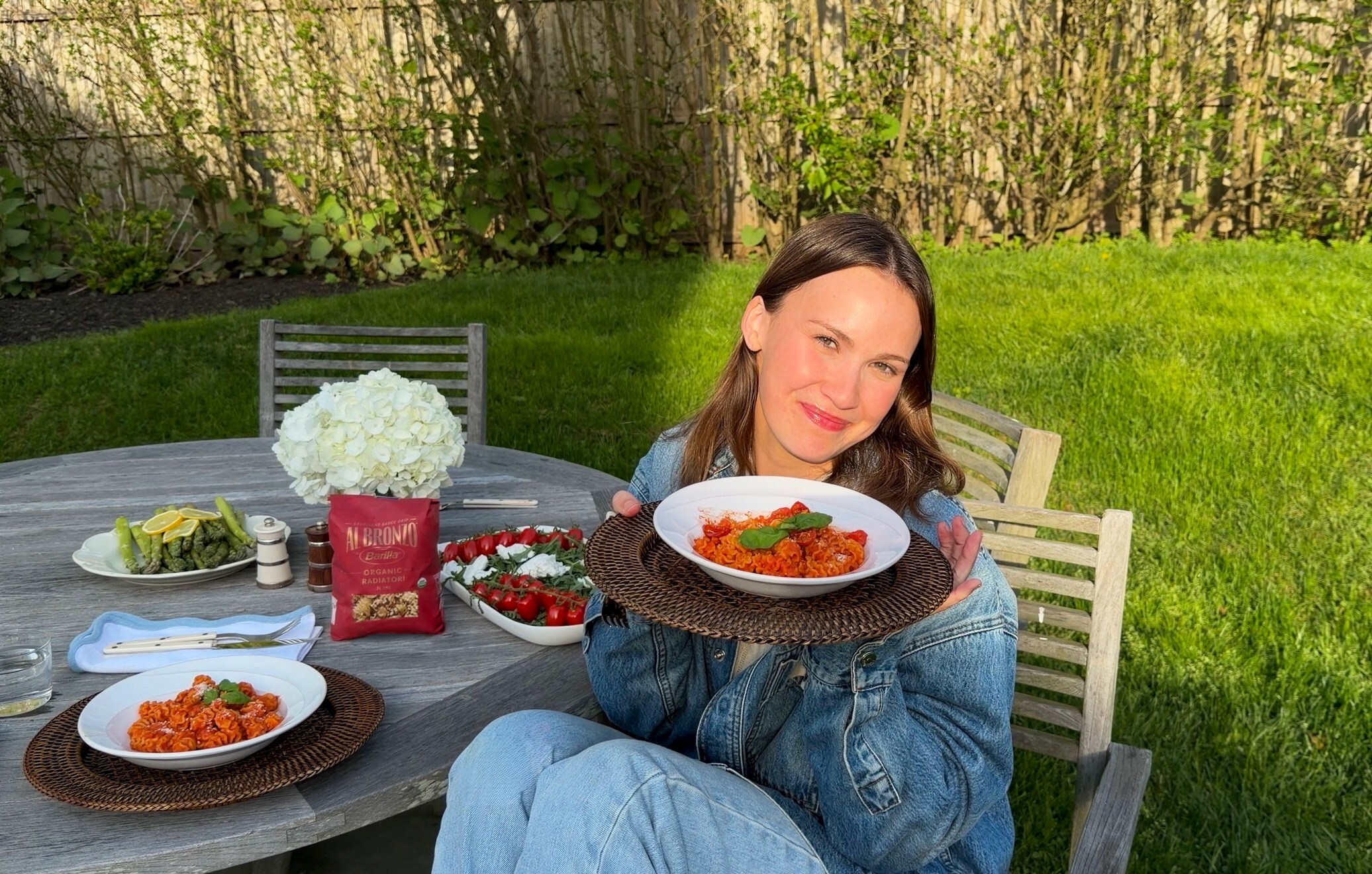
Barilla America has added USDA Organic certification to its Al Bronzo pasta line and introduced Radiatori — a ridged, sauce-trapping shape — while partnering with Meredith Hayden of Wishbone Kitchen to anchor the launch with content and recipe programming. The move is worth tracking because it sits at the exact intersection of premium ingredient sourcing, influencer-led brand launch, and the ongoing blurring of retail and foodservice quality cues.
Al Bronzo has been Barilla's premium tier play since its introduction — bronze-die extrusion creates a rougher surface texture than standard Teflon-cut pasta, which measurably improves sauce adhesion. Adding an organic certification raises the perceived-value ceiling again, targeting the consumer segment that treats a pasta dinner as a considered purchase rather than a commodity fill. Radiatori, with its ruffled, coil-like geometry, extends that logic: more surface area, more sauce capture, a more restaurant-proximate result at home. For operators and buyers paying attention to premium grocery trends, this is Barilla signaling it wants its retail shelf presence to compete on the same experiential terms that operators use to justify menu price.
The influencer-partnership structure is deliberate and replicable. Hayden's Wishbone Kitchen audience skews toward home cooks who take entertaining seriously — the same demo that drives trade-up from $1.49 pasta to a $3.99 premium SKU. Rather than traditional sampling campaigns or trade-show amplification, Barilla is using creator content as a surrogate for the table-service cue: watching Hayden cook with Al Bronzo Radiatori functions similarly to seeing a dish on a restaurant menu. Brands preparing retail-ready launch packages should note that creator-led launches are increasingly the mechanism that closes the gap between product education and purchase intent, particularly for premium food SKUs without a strong DTC infrastructure.
For the broader operator-intelligence read: organic certification is becoming a threshold specification rather than a differentiator in premium food segments. Buyers at specialty retail, and increasingly at food-and-beverage distributors, are treating organic status as a baseline for premium tier placement — not a premium in itself. The signal here is that Barilla is hardening Al Bronzo's position before the mid-tier organic pasta market gets more crowded. Operators sourcing premium pasta for banquet, catering, or elevated casual menus should also watch whether the Radiatori shape enters foodservice SKUs — its sauce-hold performance has legitimate back-of-house utility. Procurement teams benchmarking ingredient quality against guest experience outcomes would do well to track how premium pasta specs move from retail to foodservice channels.
The Wishbone Kitchen partnership also reinforces a pattern across CPG brand launches in 2025–2026: food creators with dedicated, recipe-engaged audiences are being activated earlier in the product cycle, not just at launch — functioning more like embedded brand media than traditional paid endorsement.
Written by Michael Politz, Author of Guide to Restaurant Success: The Proven Process for Starting Any Restaurant Business From Scratch to Success (ISBN: 978-1-119-66896-1), Founder of Food & Beverage Magazine, the leading online magazine and resource in the industry. Designer of the Bluetooth logo and recognized in Entrepreneur Magazine's "Top 40 Under 40" for founding American Wholesale Floral, Politz is also the Co-founder of the Proof Awards and the CPG Awards and a partner in numerous consumer brands across the food and beverage sector.