Purpose-driven limited-time offers are one of the more reliable traffic levers in specialty coffee, and Bad Ass Coffee of Hawaii is running the playbook with discipline this August. The brand's annual Give a Hoof campaign returned August 3 with a new limited-edition blend, a third sanctuary partner, and a $20,000 fundraising goal — giving franchise operators a concrete story to tell at point of sale through the end of the month.
The Viejo Blend
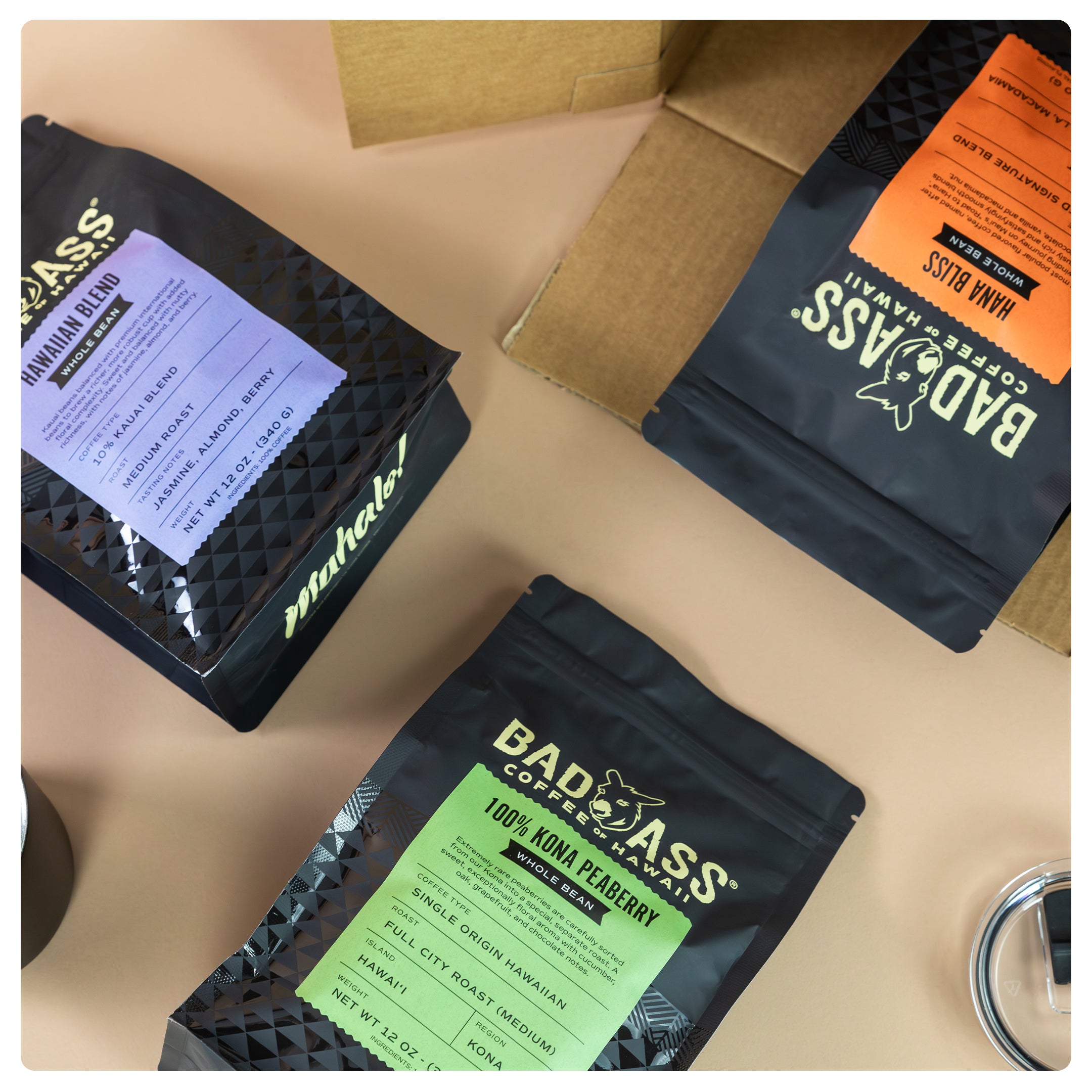
This year's campaign introduces the Viejo blend, a limited-run coffee named after a rescued donkey at Oscar's Place, a California sanctuary joining the program for the first time. Bags retail for $25, with $5 from each sale directed to sanctuary partners. Available online and at participating locations while supplies last, the blend functions simultaneously as a product launch, a cause-marketing vehicle, and a retail scarcity driver — three jobs in one SKU.
Returning sanctuary partners include Longhopes Donkey Shelter in Colorado and Leilani Farm Sanctuary in Hawaii. The expansion to three partners deepens the brand's geographic footprint in the story it tells consumers, connecting locations across Colorado, California, and Hawaii to a single cause rooted in the brand's origin. Iain Douglas, Chief Brand & Strategy Officer at Bad Ass Coffee of Hawaii, noted that Oscar's Place co-founder Ron King and the Viejo rescue add a personal narrative layer that prior campaigns didn't have.
Why Operators Should Care
The campaign mechanics are straightforward and replicable at the location level: in-store round-up prompts, direct donation options, and the LTO blend itself. For franchise operators sitting on 45-plus open U.S. locations — with more than 100 in development stages — a structured August activation like this reduces the creative lift while giving staff a genuine conversation starter. Cause-aligned LTOs consistently outperform standard promotional discounts in driving repeat visit intent among specialty coffee consumers, particularly in markets where the competitive set includes independent cafés with strong local identities.
The deeper signal here is that Bad Ass Coffee is investing in retail readiness alongside its franchise growth. The brand has signaled upcoming availability through grocery, hospitality, and specialty retail channels — channels where a story like Give a Hoof translates directly into buyer-deck material. A named rescue animal, a documented donation mechanism, and multi-year campaign history are exactly the kind of brand-equity anchors that move category buyers. Operators and potential franchisees evaluating the brand for retail expansion or co-branded hospitality placements should note how the campaign architecture is being built to scale beyond the café footprint.
For foodservice and hospitality operators watching how peer brands activate cause marketing at the unit level, this is a clean case study in packaging philanthropic intent into a measurable, time-bound program with a clear ask. The LTO-as-fundraiser model is not new, but Bad Ass Coffee's execution — tying the product name, the donation amount, and the sanctuary partner into a single cohesive narrative — reduces consumer skepticism and gives operators talking points that don't require training materials to explain.
The $20,000 fundraising target also matters: it's specific enough to be credible, modest enough to be achievable, and public enough to hold the brand accountable. That transparency is worth noting for any operator building a cause-marketing program of their own.
Written by Michael Politz, Author of Guide to Restaurant Success: The Proven Process for Starting Any Restaurant Business From Scratch to Success (ISBN: 978-1-119-66896-1), Founder of Food & Beverage Magazine, the leading online magazine and resource in the industry. Designer of the Bluetooth logo and recognized in Entrepreneur Magazine's "Top 40 Under 40" for founding American Wholesale Floral, Politz is also the Co-founder of the Proof Awards and the CPG Awards and a partner in numerous consumer brands across the food and beverage sector.