Frederik Bille Brahe's Atelier September — the Copenhagen café that has quietly shaped how a generation of food travelers think about Scandinavian breakfast culture — arrives in New York for two days on November 7–8, taking over the upstairs of Chad Robertson's forthcoming Altbau Bakery at 184 N 8th Street in Williamsburg. Tickets are $25 per person, credited toward the guest's order. The event is organized by TIPSTER, the Copenhagen-born food guide building a discovery platform across Copenhagen, Amsterdam, Los Angeles, and New York.
For operators and brand strategists watching international F&B expansion, the format is worth studying. Atelier September does not arrive here with a lease, a licensing deal, or a ghost kitchen. It arrives with a collaborator, a built-in audience, and a frictionless exit. That is a meaningful structural choice.
The Collaboration Model
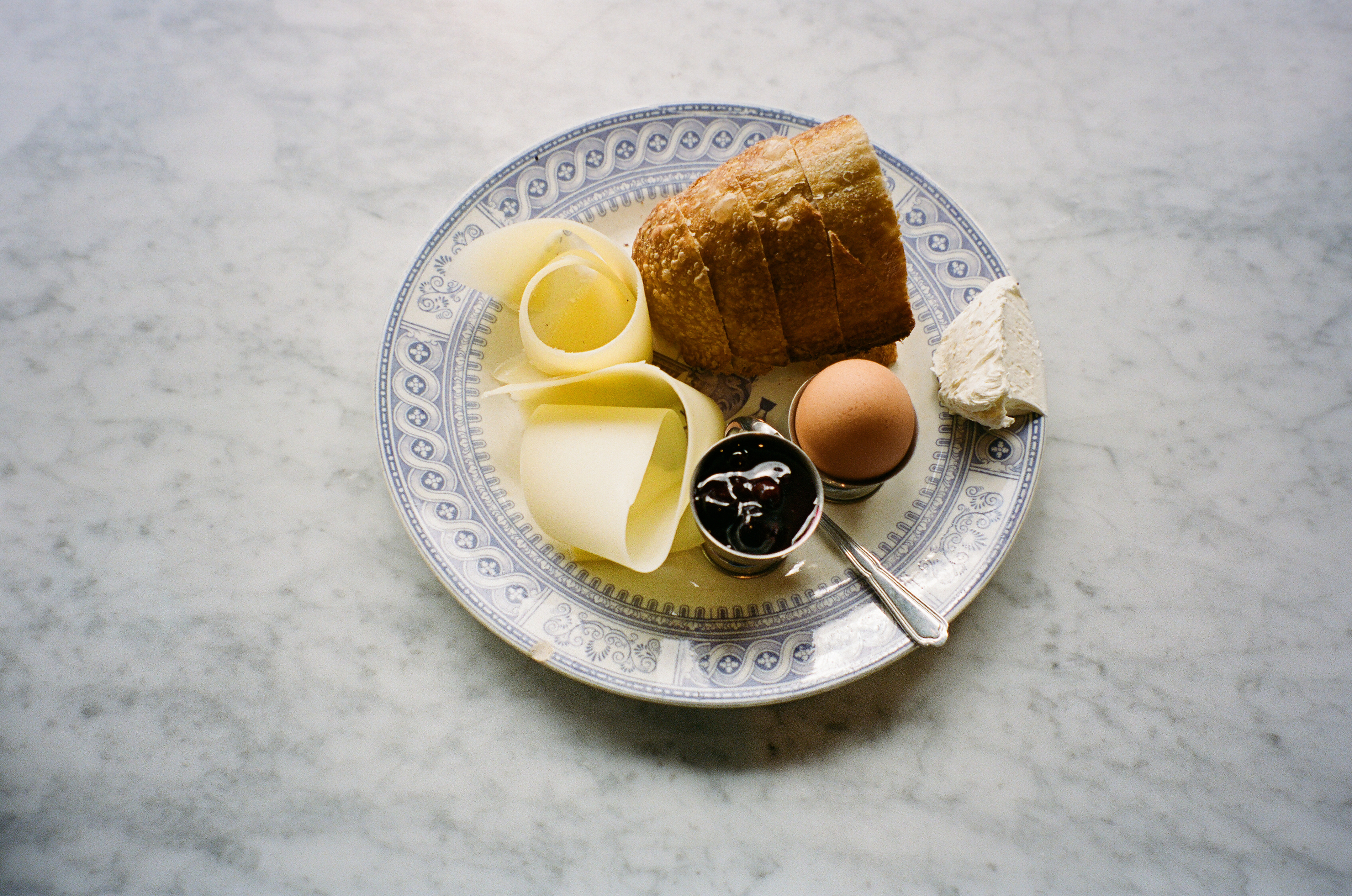
The Altbau pairing is not incidental. Robertson's work at San Francisco's Tartine has made him a reference point in artisan baking internationally, and his new Williamsburg outpost gives Bille Brahe's food a credible local foundation — literally, since Altbau's sourdough, rye, and croissants move directly from oven into Atelier September dishes during the pop-up. The Morning Plate, a signature combining sourdough with 24-month-aged Comté, soft-boiled egg, whipped butter, and jam, is one of several breakfast and lunch staples on the menu. The collaboration turns a two-day event into something operationally coherent rather than a marketing stunt.
TIPSTER has been running this playbook in both directions. Earlier in 2026, the guide brought Brooklyn's Taqueria Ramirez and New York pizzeria Ceres to Copenhagen for pop-ups. Atelier September is the return leg. The pattern looks less like a food festival and more like a structured exchange program — one that generates real consumer demand data in a new market without requiring either party to commit capital to a permanent location.
What This Signals for Operators
The demand signal TIPSTER generated for its NYC BAKERY RUN on October 25 — 26,000 lottery entries for 100 available spots — tells you something about the audience the guide has cultivated and what it can deliver to a brand entering a new market. For international café and restaurant concepts evaluating U.S. entry, that kind of verified demand concentration is intelligence a traditional broker or PR campaign cannot easily replicate.
For domestic operators, the more practical lesson is in the economics of the pop-up structure itself. A ticketed reservation at $25 per person, credited to the order, functions as both a demand filter and a revenue floor. It pre-qualifies guests, reduces no-shows, and ensures the kitchen is working against a known cover count — disciplines that translate directly into margin management at any scale. Operators exploring limited-time concept launches and experiential brand activations should note how cleanly this model separates brand-building from the operational risk of a full build-out.
The deeper story here is about how European food brands — particularly those with strong editorial and design identities — are finding American audiences not through traditional licensing or franchise structures, but through media-adjacent guides and cultural brokers like TIPSTER. That route is faster, cheaper, and generates qualitative feedback that a lease commitment never could.
Written by Michael Politz, Author of Guide to Restaurant Success: The Proven Process for Starting Any Restaurant Business From Scratch to Success (ISBN: 978-1-119-66896-1), Founder of Food & Beverage Magazine, the leading online magazine and resource in the industry. Designer of the Bluetooth logo and recognized in Entrepreneur Magazine's "Top 40 Under 40" for founding American Wholesale Floral, Politz is also the Co-founder of the Proof Awards and the CPG Awards and a partner in numerous consumer brands across the food and beverage sector.