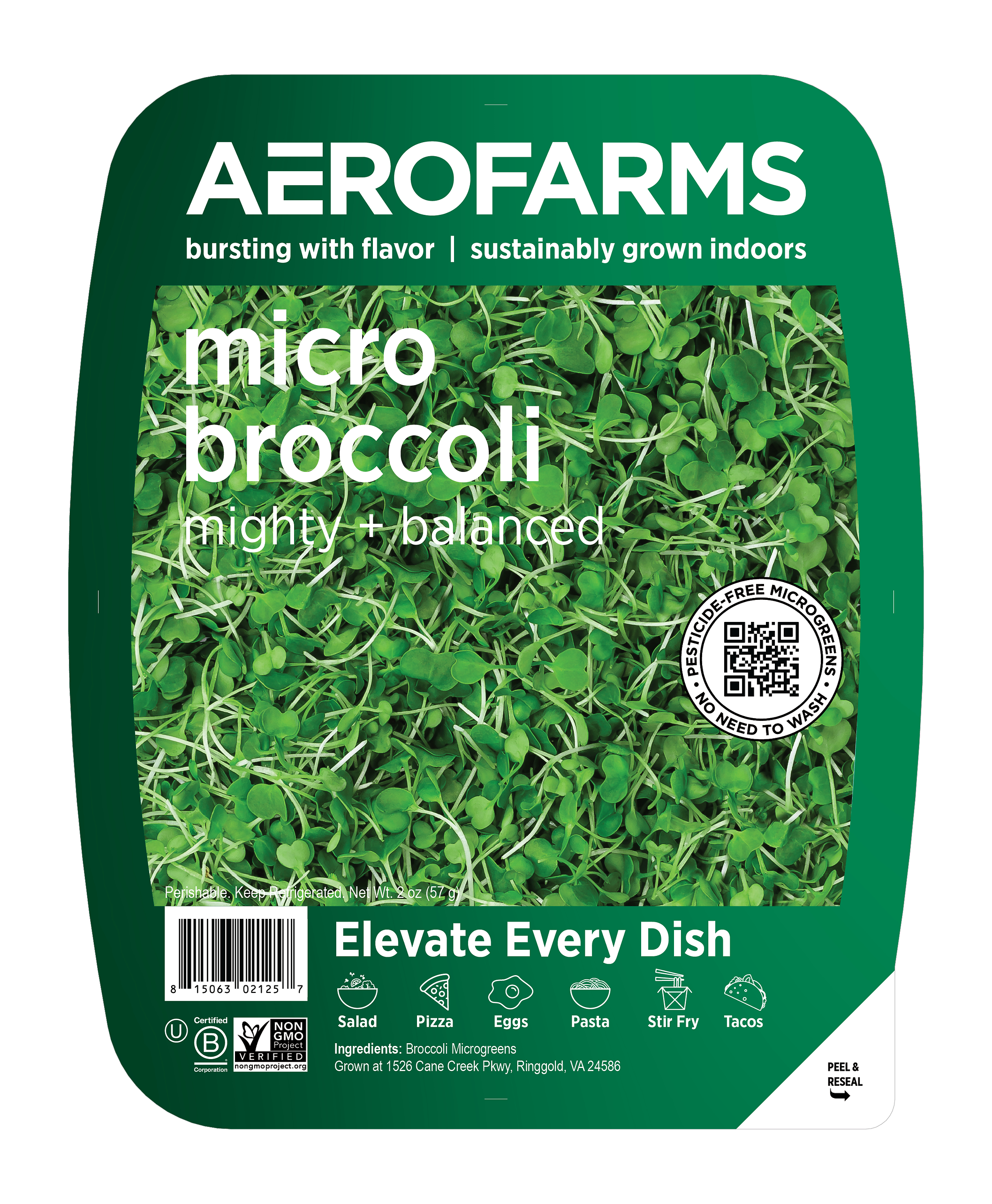
AeroFarms, the leading U.S. supplier of fresh microgreens and a fixture in the indoor vertical farming conversation, has been acquired by an affiliate of Palm Ventures, an Austin- and Greenwich-based family investment office. The transaction closed in April 2026. For operators sourcing specialty produce, this is a signal worth tracking: a financially distressed but operationally capable grower has been recapitalized and handed to management with deep CPG roots.
Palm Ventures brings a 30-year track record of building what it describes as profitable, mission-driven businesses. The new CEO, Gustavo Burger, arrives with senior leadership experience at Kraft Heinz and Anheuser-Busch InBev — two organizations known for disciplined distribution scaling and category management. That profile suggests this is not a passive hold. The incoming team will likely pressure-test AeroFarms' existing retail and foodservice channel mix and look for distribution white space, particularly in regional grocery, health-and-wellness chains, and upscale foodservice accounts.
Context matters here. AeroFarms filed for Chapter 11 bankruptcy protection in 2023, making this acquisition a second-act story for the brand. The vertical farming sector broadly has faced a painful reset — several well-funded competitors either shuttered or dramatically contracted over the past two years as energy costs and capital constraints collided. What Palm Ventures is betting on is that AeroFarms' Danville, Virginia growing facility, its certified B Corp standing, and its microgreens category leadership can be monetized more efficiently under a leaner, debt-reduced structure. The press release notes the deal significantly reduces AeroFarms' debt load, which removes a structural ceiling that constrained the prior team's distribution ambitions.
For procurement and menu development teams, the practical read is this: AeroFarms microgreens — radish, sunflower, pea shoots, and their consumer-facing variety lineup — should see improved supply consistency and potentially more competitive pricing as the operation stabilizes. Buyers who pulled back during the bankruptcy period may find renewed terms worth revisiting. On the brand side, the B Corp certification is preserved, which matters to hotel F&B programs, contract dining operators, and retail partners with published sustainability commitments. Operators building farm-to-table positioning or local-sourcing narratives should flag this as a viable domestic, vertically farmed option with a cleaner ownership story than it had 18 months ago.
The broader signal for the indoor ag vendor landscape is cautious optimism. Palm Ventures is not a venture fund chasing an exit multiple — a 30-year family office with a profitability mandate is structurally different from the growth-at-all-costs capital that drove vertical farming's overexpansion. That discipline could make AeroFarms a more reliable supplier partner than it was in its previous chapter. Operators and retail buyers evaluating specialty produce programs should put AeroFarms back on the active consideration list, but build in a 60-to-90-day window to assess supply chain performance under the new regime before committing to menu or planogram placements.
Written by Michael Politz, Author of Guide to Restaurant Success: The Proven Process for Starting Any Restaurant Business From Scratch to Success (ISBN: 978-1-119-66896-1), Founder of Food & Beverage Magazine, the leading online magazine and resource in the industry. Designer of the Bluetooth logo and recognized in Entrepreneur Magazine's "Top 40 Under 40" for founding American Wholesale Floral, Politz is also the Co-founder of the Proof Awards and the CPG Awards and a partner in numerous consumer brands across the food and beverage sector.